Beyond Hot Coffee: The Surprising Uses of Modern Thermal Containers
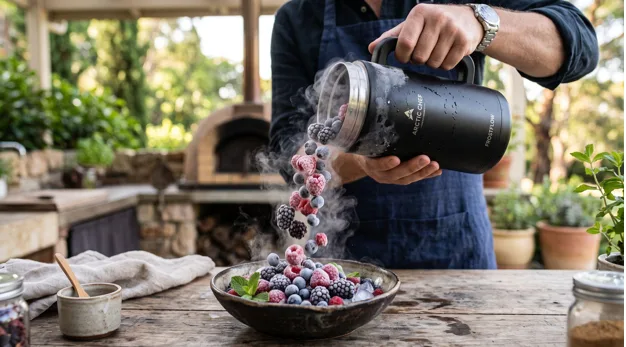
For many people, the word “thermos” still brings to mind hot coffee on a winter journey. Yet modern thermal containers can carry lunches, chilled drinks, frozen groceries, temperature-sensitive medicines and biological samples. Some fit in a work bag; others are large, rigid containers developed for professional transport.
This expansion reflects a simple fact: temperature affects far more than comfort. It can influence the taste and texture of food, the freshness of ingredients and, in medical settings, the suitability of vital supplies for use. As a result, manufacturers now produce specialized thermoses, thermal mugs, Thermo Boxes and Ice Boxes for very different environments.
One Principle, Many Forms
All thermal containers are designed to slow the transfer of heat between their contents and the surrounding air. However, they do not all achieve this in the same way. A classic drinks flask usually has a double-walled body with a vacuum between the walls. Because there are very few particles in this space, heat transfer by conduction and convection is greatly reduced. A reflective inner surface may also help limit radiant heat transfer.
Wide thermal food jars suit soup, pasta and porridge, while thermal mugs prioritize convenient drinking. Thermo Boxes generally use an insulating layer between their inner and outer shells. Ice Boxes are designed for cold storage and can accommodate ice or frozen gel packs. In every case, the shape, insulation, closure and accessories determine which task the container suits.
Keeping Food at the Right Temperature
Thermal food containers have changed the way meals can be taken to work, school or outdoor locations. Instead of relying on a microwave or settling for cold food, a user can pack a hot meal in the morning and retain much of its heat until lunchtime. The same type of insulation can help keep yoghurt, salads and fruit cool when used with an appropriate cold pack.
Larger Thermo Boxes are valuable for picnics, camping, catering and delivery. They can carry several dishes or grocery items while limiting exposure to outdoor temperatures. Professional models may hold standard trays, stack securely and have smooth interiors for easier cleaning.
Performance depends on the starting temperature, quantity of food, empty space, ambient conditions and how often the lid is opened. Preheating a food jar or pre-cooling a box can improve its holding time. For longer journeys, users should follow food-safety guidance rather than judging temperature by touch.
Drinks on the Move
Drinkware has become more specialized as well. A compact thermal mug may be designed for a daily commute, whereas a large insulated bottle is better suited to hiking, sport or a full day outdoors. Wide-neck bottles are easier to fill with ice, while narrow-neck designs can be more comfortable to drink from and may reduce heat exchange each time they are opened.
Lid design is especially important. A mug carried upright between rooms does not require the same closure as one placed inside a backpack. “Splash-resistant” does not necessarily mean “leakproof”, so a secure seal is vital when carrying a drink next to electronics or clothing. Materials matter too: stainless steel is strong and resists odors, plastic reduces weight, and glass preserves flavors well but is more vulnerable to impact.
Thermo Boxes and Ice Boxes for Travel and Outdoor Use
For road trips, campsites, beaches and fishing trips, Ice Boxes offer more capacity than individual flasks or food jars. A well-designed model may include a tight-fitting lid, durable hinges, carrying handles, drainage points and a shape that uses space efficiently. Some versions are intended for a few hours of leisure use; others have thicker insulation and robust shells for demanding trips.
Cold retention also depends on packing. Contents should already be chilled, frozen packs should be distributed around the load, and the box should remain shaded and closed whenever possible. Capacity deserves care: an oversized Ice Box can be heavy when full and inefficient when nearly empty.
Why Medical Transport Requires a Different Standard
Thermal containers also play an important role in healthcare, laboratories and pharmaceutical logistics. Certain medicines, vaccines, diagnostic materials and biological specimens must remain within defined temperature conditions during storage or transport. In these settings, a container is not simply expected to keep something “cold”. It may form part of a controlled cold-chain process in which packing procedures, transport time and temperature records all matter.
Medical thermal containers can therefore include conditioned cooling elements, separated compartments, tamper-evident closures and temperature data loggers. Their design may prevent the payload from touching a frozen pack directly, since excessive cooling can be as damaging as warming for some products.
A consumer Ice Box should never be assumed to be suitable for clinical or pharmaceutical use merely because it retains ice for a long time. Professional applications require a system selected and validated for the specific payload, temperature range, journey and operating procedure. The stakes are higher, and visual inspection alone cannot confirm that the required conditions were maintained.
Features That Matter When Choosing a Thermal Container
The first question should be what the container must carry. Coffee, a hot lunch, frozen food and medication place very different demands on the same broad technology. Once the use is clear, several practical details deserve attention:
- Insulation and duration: Real-world performance varies with ambient temperature, fill level and opening frequency.
- Capacity: The volume should match the typical load, while the exterior must fit its intended storage space.
- Closure: Check whether the lid is vented, splash-resistant or genuinely leakproof.
- Cleaning: Wide openings, removable seals and smooth surfaces make washing easier.
- Portability: Handles, shoulder straps and manageable weight matter when it will be carried far.
- Food-contact suitability: Components should be intended for the type of food or drink and the temperatures involved.
- Monitoring: For professional or medical use, temperature indicators or data loggers may be essential rather than optional.
Using Thermal Containers Effectively
Hot food should enter a container hot, while chilled products should already be cold. Pre-conditioning can reduce the initial temperature change, and lids and seals should be checked for wear. Residue around threads, valves and gaskets can create odors or hygiene problems, so users should follow the cleaning instructions carefully.
For medical or commercial transport, users must follow the approved packing configuration, cooling-element conditioning method and time limits. Where continuous monitoring is required, the temperature record must also be reviewed according to the relevant procedure.
More than a Flask
Modern thermal containers show how a familiar idea can evolve into a varied group of products. Vacuum flasks and thermal mugs make drinks easier to enjoy away from home. Food jars keep meals appealing, Thermo Boxes support catering and delivery, and Ice Boxes provide cold storage for travel. Validated systems can also help protect sensitive medical and laboratory materials.
The most important distinction is not simply whether a product keeps its contents hot or cold. It is whether the entire design—its insulation, capacity, closure, materials and monitoring options—matches the intended use. Choosing on that basis turns a basic container into a reliable tool for everyday life, professional food handling or carefully controlled medical transport.