Boiler Maintenance Contracts: What Singapore Facilities Should Look For
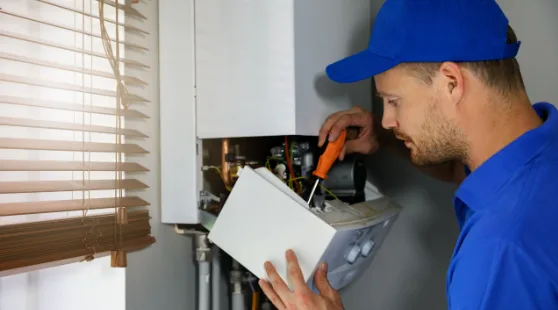
A good boiler maintenance contract is one of the least glamorous line items in a facilities budget and one of the most consequential. Facilities across Singapore that treat maintenance purely as a compliance checkbox tend to discover the gaps in their contract exactly when they can least afford an unplanned outage — mid-production, during a peak order period, or right before an audit.
Scope: What Should Actually Be Included
A solid maintenance contract should explicitly cover burner calibration, water treatment verification, safety valve testing, and steam trap inspection as standard line items, not optional add-ons priced separately after the fact. Vague scope language — ‘routine maintenance as required’ — is a common source of disputes when something breaks down and the facility discovers a specific task wasn’t actually included. Techmatic’s steam boiler maintenance Singapore service is a good starting point if you’re evaluating this for your own facility.
It’s worth asking a prospective contractor to itemise exactly what a standard visit covers and how frequently each task recurs, rather than accepting a general description of ‘comprehensive maintenance.’
Facilities that have switched contractors after a poor experience frequently cite the same root cause: the original contract sounded comprehensive during the sales conversation but turned out, once compared line by line against an actual breakdown, to have excluded exactly the task that would have prevented the failure.
Response Time Commitments
Response time matters more than most facilities budget for until they experience an unplanned outage firsthand. A contract that specifies emergency response within a defined window — and backs it with a real penalty or service credit if missed — is worth more in practice than a slightly cheaper contract with vague ‘best effort’ language. It’s also worth checking Techmatic’s steam trap survey while you’re at it.
Spare Parts and Local Stock
One of the more overlooked contract terms is whether critical spare parts are held locally or need to be imported when a failure occurs. A contractor without local stock for common wear items — gaskets, valve seats, sensor components — can turn a same-day fix into a week-long wait, regardless of how quickly their technician arrives on site. It’s also worth checking Techmatic’s safety valve range while you’re at it.
It’s reasonable to ask a prospective contractor for a list of the specific parts they hold in local stock and their typical lead time for anything outside that list, rather than accepting a general assurance that ‘parts are usually available quickly.’
Documentation and Compliance Support
Singapore’s statutory pressure vessel framework requires ongoing registration and inspection, and a good maintenance contractor should proactively track these deadlines on your behalf rather than leaving compliance entirely to the facility team. Ask whether the contract includes documentation support for MOM registration renewal, not just the physical maintenance work. You can browse the full range of equipment and services at Techmatic.
Facilities that have gone through an unplanned compliance lapse tend to weight this clause far more heavily in their next contract negotiation than they did the first time around.
For further technical background, see MOM’s pressure vessel registration requirements.
What to Do Next
A maintenance contract is only as good as its specificity — the facilities that avoid unpleasant surprises are the ones that push for itemised scope, defined response times, and documented compliance support before signing rather than after something goes wrong.