What to Do If a Cosmetic Treatment Area Becomes Red, Hot, or Painful
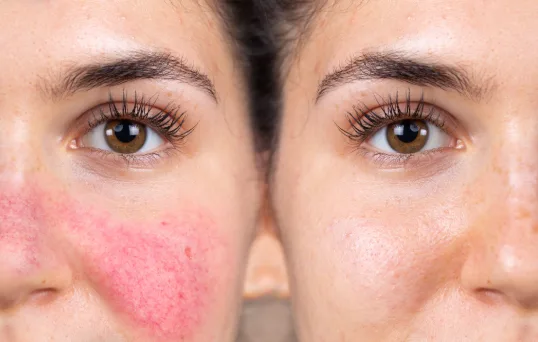
Cosmetic treatments can leave your skin red, tender, or swollen for a short time. That does not always mean something has gone wrong. But there is a point where normal irritation starts to look less normal.
If the treatment area becomes hotter, more painful, more swollen, or the redness keeps spreading, contact the provider who performed your treatment. You may also need an urgent care clinic or emergency care, depending on your symptoms.
The change over time matters. Skin that gets better each day is different from skin that keeps getting worse.
Is Redness After a Cosmetic Treatment Normal?
Some redness is expected after many cosmetic treatments. Laser resurfacing, chemical peels, microneedling, and some other procedures create controlled irritation or injury to the skin. The body then starts its healing process.
For example, laser resurfacing can cause redness, swelling, itching, stinging, or a burning feeling. Chemical peels can also leave the skin red during the first part of recovery. So redness by itself does not prove you have an infection.
The important questions are:
- Is the redness spreading?
- Is the area becoming hotter?
- Is swelling getting worse?
- Is the pain increasing instead of easing?
- Is there pus or unusual drainage?
- Do you feel sick or have a fever?
These changes deserve more attention. Your expected recovery also depends on what treatment you had. A deep laser procedure may cause more redness than a mild treatment. Follow the aftercare instructions given by your own provider rather than comparing your skin with someone else’s recovery.
Signs the Treatment Area Needs Medical Attention
Watch the area closely during the first days after treatment.
Possible warning signs include:
- Redness that keeps spreading
- Increasing warmth
- Pain that becomes stronger
- New or increasing swelling
- Pus or unusual drainage
- Yellow or golden crusting
- An unpleasant smell
- Blisters or open sores that were not expected
- Fever or chills
- Feeling unusually weak or sick
Dermatologists list pain, swelling, warmth, pus, fever, and rapidly spreading skin changes among signs that can need medical attention.
One simple rule helps: pay attention to the direction your symptoms are moving.
Mild redness that is slowly fading may fit normal healing. Redness that expands while the skin becomes hotter and more painful is more concerning.
What to Do If the Area Becomes Red, Hot, or Painful
First, look at the aftercare instructions you received. Then contact the person or medical office that performed your procedure. Tell them exactly what has changed. Do not just say, “It looks bad.” Explain when the symptoms started, whether they are spreading, and whether the pain or swelling is getting worse.
Take clear photos
Take a photo in good light. If possible, take another one several hours later from about the same distance. Photos can make changes easier to see. Do not delay medical care just to keep taking pictures, though. If symptoms are severe or changing quickly, get evaluated.
Avoid irritating the skin
Do not scrub, pick, squeeze, or peel the treated area. Unless your clinician has told you otherwise, avoid adding strong products such as acids, exfoliating scrubs, or retinoids to skin that is already irritated.
After certain laser treatments, Cleveland Clinic advises avoiding irritating topical products while the skin heals. Follow the instructions for your specific procedure. Aftercare is not the same for every cosmetic treatment.
Could It Be a Skin Infection?
Red, hot, swollen, painful skin can occur with a skin infection, but those symptoms do not prove that an infection is present. One infection clinicians may consider is cellulitis. Cellulitis is a bacterial infection involving deeper layers of the skin. The affected area can become warm, swollen, tender, and painful. Fever or chills may also occur.
You cannot reliably diagnose cellulitis by looking at your skin at home. A reaction to the procedure, irritation, a burn, an allergic response, and other complications can sometimes look similar. That is why worsening symptoms should be assessed rather than guessed at.
Skin Care Clinic or Urgent Care Clinic: Where Should You Go?
This part can be confusing. The best place depends on what symptoms you have and what type of provider is available.
Contact your skin care clinic when symptoms are mild
Start with the skin care clinic or treatment provider if you have mild symptoms and want to know whether they fit the normal recovery process.
The treating provider knows:
- What procedure was performed
- What products or devices were used
- How your skin looked before treatment
- What aftercare you were given
If the clinic has a licensed medical professional who can evaluate treatment complications, they may be able to examine you.
But not every cosmetic or skin care clinic provides medical diagnosis or treatment.
If symptoms suggest an infection or another medical complication, you may need a physician, dermatologist, urgent care clinician, or emergency department.
Consider an urgent care clinic for worsening symptoms
An urgent care clinic may be reasonable when symptoms are worsening and you need same-day medical assessment but you do not have emergency warning signs.
Examples include increasing redness, warmth, tenderness, swelling, or drainage.
Mayo Clinic advises prompt medical evaluation for a swollen or growing rash, even when fever is absent.
Do not wait several days just because you hope the reaction will settle on its own.
Use emergency care for serious symptoms
Some symptoms need faster care.
Seek emergency medical help for problems such as:
- Trouble breathing or swallowing
- Swelling of the lips or eyes with breathing concerns
- Fainting or confusion
- A rapidly changing or spreading painful skin reaction with fever
- Severe symptoms involving the eye
- Serious symptoms after dermal filler injections
AAD guidance says rapidly spreading painful rashes, fever with a rash, and breathing or swallowing problems can require urgent or emergency attention.
Special Warning After Dermal Fillers
Fillers deserve their own warning. Redness, swelling, tenderness, or bruising can happen around injection sites. But rare complications can be serious.
The FDA advises immediate medical attention if you develop unusual pain, vision changes, or skin near the injection site that turns white, gray, or blue during or shortly after filler treatment. These signs may occur if filler unintentionally enters a blood vessel.
Do not wait for your next routine appointment if these symptoms appear. Get medical care right away.
Different Cosmetic Treatments Can Cause Different Reactions
There is no single recovery timeline that fits every procedure.
Laser treatments
Laser resurfacing can cause redness, swelling, itching, burning, or pain. Some types of laser treatment create a longer healing period than others. Infection is also a recognized possible complication.
Chemical peels
Redness can be expected after a chemical peel. How long it lasts depends in part on how deep the peel was. A deeper peel creates a larger wound and requires more involved aftercare.
Microneedling
Some redness and tenderness may follow microneedling because of the treatment or If you don’t know about microneedling aftercare.
creates tiny injuries in the skin .
Follow the instructions from the professional who performed your procedure. New or worsening heat, swelling, drainage, or pain should be reported.
Fillers and injections
Temporary swelling and tenderness can occur after injections. But severe pain, unusual skin-color changes, or vision problems require immediate attention after dermal filler treatment.
What Not to Put on Red or Painful Skin
More products are not always better.
When people see redness, they sometimes start trying several creams at once. That can make irritated skin harder to assess.
Unless your treatment provider specifically recommends them, avoid applying strong products such as:
- Retinoids
- Exfoliating acids
- Harsh scrubs
- Strong fragranced products
- Unapproved home remedies
Do not use leftover prescription creams or antibiotics just because you have them at home.
The AAD warns that routine use of topical antibiotics is not needed for most minor wounds and that unnecessary antibiotic use can cause problems.
If an infection is suspected, let a qualified clinician decide what treatment is needed.
What to Tell the Clinician
A few details can make your visit more useful.
Be ready to explain:
- What cosmetic treatment you had
- The date and approximate time of treatment
- Where on your body it was performed
- When the redness, heat, or pain began
- Whether the affected area is growing
- Whether pain and swelling are increasing
- Whether you have fever or chills
- What creams or products you have applied
- What injections or products were used, if you know
- Your current medications and allergies
Bring your aftercare sheet if you still have it. Photos from earlier in the day can also help show how fast the area has changed.
Getting Care in Chicago
If you are in Chicago or a nearby suburb, start with the treating provider when your symptoms are mild and you mainly need help understanding whether healing is going as expected. If you cannot reach that provider and symptoms are getting worse, consider a medical urgent care clinic for same-day assessment. For severe symptoms, use emergency care instead.
Do not choose a clinic based only on convenience. Check whether the location can evaluate your type of problem, whether a licensed medical clinician is available, its current hours, and whether it accepts your insurance. Those details can change. Verify them directly.
Frequently Asked Questions
How long should redness last after a cosmetic treatment?
It depends on the procedure.
Some mild treatments may cause short-lived redness. More intensive laser resurfacing or deeper chemical peels can cause redness for much longer. Your treatment provider should tell you what is expected for your specific procedure.
Is warmth normal after a cosmetic treatment?
Some warmth or sensitivity may occur with inflammation after a procedure.
But increasing warmth combined with worsening redness, swelling, pain, drainage, or fever can be a warning sign of infection or another complication.
How can I tell irritation from an infection?
You may not be able to tell at home.
Both can cause redness and discomfort. Infection becomes more concerning when symptoms are worsening or include warmth, swelling, pus, fever, chills, or spreading skin changes.
Can an urgent care clinic treat a skin infection after a cosmetic procedure?
Many medical urgent care centers can assess common skin infections and decide whether you need treatment or a higher level of care.
Call ahead if you are unsure what services the location provides.
Should I return to the skin care clinic that did my treatment?
Contacting the original provider is often a useful first step for mild treatment-related concerns.
But if the clinic cannot provide medical evaluation, symptoms are worsening, or you have emergency warning signs, do not let that delay appropriate medical care.
Pay Attention to What Happens Next
A little redness after cosmetic treatment may simply be part of healing. The bigger concern is change.
If the area becomes hotter, more swollen, more painful, or the redness starts spreading, contact the treatment provider and arrange medical evaluation when needed. For worsening non-emergency symptoms, an urgent care clinic may be appropriate. Serious or rapidly developing symptoms need emergency care.
Don’t try to diagnose a possible infection from a photo alone. Watch the skin. Track the changes. And if it is getting worse rather than better, get help.