Why Couples Choose Wedding Flowers They Can Reuse After the Ceremony
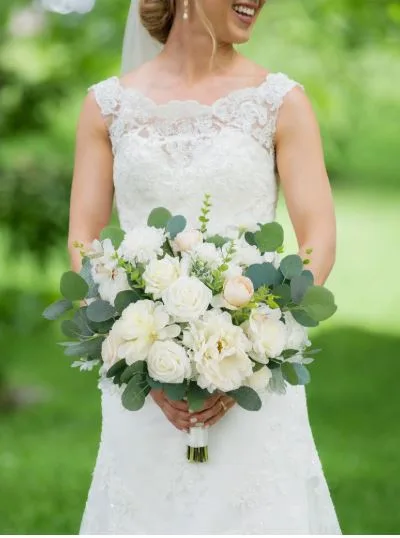
Wedding flowers have traditionally been treated as one-day details. They arrive shortly before the ceremony, appear in photographs and are often discarded once the celebration ends. That model still appeals to many couples, but it is no longer the only way to plan wedding florals.
Artificial arrangements have become a practical option for couples who want more control over timing, appearance and what happens to their flowers after the wedding. Improvements in materials and design have also made modern silk flowers more convincing than the stiff, obviously artificial arrangements many people remember.
The appeal is not simply that the flowers last longer. Choosing reusable arrangements can change how couples organize several parts of the wedding.
Planning Without the Fresh-Flower Countdown
Fresh flowers operate on a strict schedule. Bouquets and decorations generally need to be prepared close to the wedding date, transported carefully and stored under suitable conditions. A delay, a heatwave or a change in flower availability can complicate the final days before the event.
Artificial flowers remove much of that time pressure. Couples can order arrangements earlier, inspect them at home and confirm that the colors work with dresses, table linens and other decorations. If something needs to be changed, there is usually time to make the adjustment without working against a short floral lifespan.
Having the flowers ready in advance can be particularly useful for destination weddings, outdoor ceremonies and events where the couple is handling part of the decoration themselves.
Consistency From the Aisle to the Photographs
Flowers are used across many parts of a wedding. The bridal bouquet may need to coordinate with bridesmaid flowers, boutonnieres, corsages, centerpieces and ceremony decorations. Small differences in color are not always noticeable in person, but they can become more obvious in photographs.
Selecting all the arrangements within one coordinated palette can make the wedding feel more visually connected. Couples using Rinlong silk bridal bouquets as the starting point can repeat selected colors and flower types in bridesmaid bouquets, boutonnieres, corsages, and ceremony décor.
This approach is often easier than choosing every item separately. Once the primary bouquet establishes the palette, the couple can decide which supporting pieces should repeat its main flowers and which should use simpler greenery or neutral tones.
Artificial arrangements also stay visually consistent throughout the event. Artificial arrangements are not affected by wilting in the same way as fresh flowers, helping them maintain a more consistent appearance from the ceremony through the reception.
Greater Freedom From Seasonal Availability
Seasonal flowers can influence both the cost and feasibility of a wedding design. A flower that is widely available in one month may be difficult to source at another time of year. Importing an out-of-season variety may increase costs without guaranteeing that it will arrive in the desired condition.
Artificial flowers allow couples to design around appearance rather than availability. Peonies, roses, orchids and other popular wedding flowers can be used without tying the event to their natural growing season.
This flexibility is valuable when a couple has a specific visual idea. Instead of changing the palette because a preferred flower is unavailable, they can retain the original concept and adapt the arrangement to the venue, clothing and décor.
It can also simplify long-distance planning. Couples do not need to depend entirely on what a local florist can source during a particular week.
Check the Flowers Before Committing to a Full Set
Couples should examine more than the overall color of an artificial arrangement. Close-up photographs can reveal whether the petals have a matte or overly glossy finish, whether the flowers include natural-looking color variation, and whether visible stems or plastic components are adequately concealed. A convincing bouquet usually combines different bloom sizes, partially opened flowers, smaller filler flowers, and greenery with varied shapes.
When color accuracy is especially important, ordering one smaller bouquet or sample arrangement first can reduce uncertainty. The flowers should be viewed beside the wedding attire and photographed in daylight, warm indoor lighting, and camera flash. This makes it easier to identify unwanted shine, color clashes, or structural details that may need reshaping before the full floral order is placed.
Classic Palettes Work Across Different Settings
Some floral color combinations remain popular because they adapt easily to different wedding styles. White flowers with greenery can suit a garden ceremony, a modern indoor venue, a rustic reception or a formal hotel setting.
The balance matters. Too much white can appear flat in photographs, while too much greenery may make the arrangement feel heavy. Mixing flowers with different shapes and using several shades of green can add depth without introducing another dominant color.
For couples building a neutral floral palette, Rinlong white and green wedding bouquets can provide a visual reference for bridesmaid flowers, table arrangements, chair decorations, and cake flowers.
A restrained palette may also make later decisions easier. Neutral floral colors are less likely to compete with clothing, signage or the venue itself, leaving room for other details to stand out.
Flowers Can Serve More Than One Purpose
When flowers remain intact after the wedding, they can be reused during the event and afterward.
A ceremony arrangement may be moved to the reception entrance. A bridesmaid bouquet can become table décor. Smaller floral pieces may be placed around the cake, welcome table or guest book area. Planning these transitions in advance can reduce the number of separate decorations required.
After the wedding, couples have several options. The bridal bouquet can be displayed at home, stored as a keepsake or used in anniversary photographs. Other arrangements may be given to family members, reused at future celebrations or resold.
This extended use changes the way the purchase is evaluated. Rather than considering only how the flowers look during a few hours of the ceremony, couples can also ask whether the arrangements will remain useful or meaningful afterward.
Artificial Does Not Mean Maintenance-Free
Although artificial flowers avoid watering and wilting, they still require some care. Arrangements should be stored away from dust, moisture and direct sunlight before the wedding. Bouquets may need gentle reshaping after shipping, and every item should be checked before it is packed for the venue.
Couples should also view the flowers under lighting similar to that of the ceremony or reception. Colors can appear different in daylight, warm indoor lighting and camera flash. Taking a few test photographs can reveal whether the bouquet complements the wedding attire and whether any stems or structural elements need repositioning.
For larger weddings, labeling each arrangement by person or location can prevent confusion during setup. This is especially helpful when similar bouquets or table pieces are being transported together.
A More Flexible Way to Think About Wedding Florals
Fresh and artificial flowers create different experiences, and neither option is right for every wedding. Fresh flowers provide natural fragrance and the individuality of real blooms. Artificial flowers provide predictability, durability and more freedom in scheduling.
For couples considering the second option, the most useful question is not whether artificial flowers can perfectly replace fresh ones. It is whether they better support the realities of the event: the budget, venue, season, travel arrangements and amount of preparation time available.
Wedding flowers still need to contribute to the atmosphere of the day. The difference is that they no longer have to disappear when the celebration is over.