What Happens After a City Plants New Trees
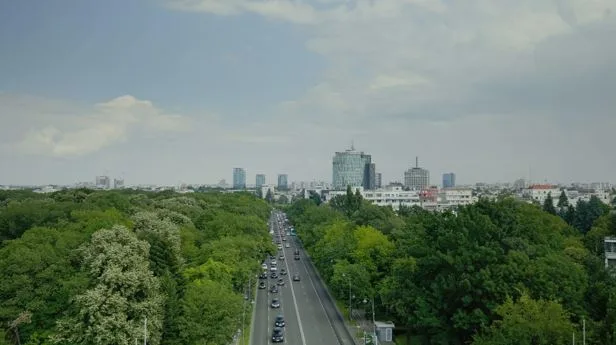
Tree planting projects can bring new life to streets, parks, schools, and public spaces. Yet putting a young tree in the ground marks the start of a much longer process. Healthy urban trees need years of thoughtful care as they grow. Tree care professionals such as A Plus Tree work within this wider effort by helping communities manage trees throughout their life cycle.
Planting Is the Beginning
New trees face a sensitive period after planting. Their roots need time to settle into the soil and spread into the space around them. During this stage, access to water and healthy soil can have a major effect on future growth. The right care depends on the tree, local climate, soil, and planting site.
A tree beside a busy road may face heat, limited soil, road salt, or damage from people and vehicles. A tree in a park may have more room but still face drought, pests, or soil problems. Regular checks help communities spot these issues while they are easier to manage. Small actions during the early years can support healthy growth for decades.
Young Trees Need Consistent Water
Water plays a key role during the first years after planting. A young tree has a smaller root system than an established tree, so it cannot draw water from a wide area. Weather also changes how much water a tree needs. Hot and dry periods can increase stress, while heavy rain may leave some soils too wet.
This makes local conditions more useful than a fixed watering schedule. Mulch can help the soil hold moisture and protect roots from sharp changes in temperature. It can also reduce competition from grass and weeds. Care is needed around the trunk, since piling mulch against bark can hold too much moisture in one place.
Early Pruning Shapes Future Growth
Pruning young trees can guide healthy structure as they mature. This often means removing damaged growth and helping the tree develop a sound form. There is little need to rush the process. Removing too much live growth can reduce the leaves a young tree uses to make energy.
A measured approach gives the tree time to establish while addressing branches that may cause problems later. Good structure becomes more important as a tree grows. Weak branch unions or poor form can become harder to correct on a large, mature tree. Early care can reduce that risk and support a strong canopy.
Soil Health Deserves Attention
Urban soil often presents challenges for trees. Construction, foot traffic, vehicles, and other activity can compact the ground. Compacted soil may limit the movement of air and water, which can make it harder for roots to grow. The amount of soil available also matters, since trees planted in narrow spaces may have less room for roots than those in parks or larger planting beds.
Good urban tree management takes these limits into account. Soil conditions can help guide decisions about watering, mulch, tree selection, and long-term care. When communities understand what is happening below ground, they can make better choices about how to support tree health above ground.
Routine Checks Catch Problems Early
Trees change throughout the year. New growth appears, storms break branches, insects become active, and periods of heat or drought create stress. Routine checks give property managers and communities a chance to notice those changes before they become larger concerns.
Signs such as dead branches, damaged bark, unusual leaf loss, or changes in canopy growth may call for a closer look. Some changes are part of a normal seasonal cycle, while others may point to pests, disease, physical damage, or environmental stress. A qualified tree care professional can assess the whole tree and its surroundings when the cause is unclear. Early attention can also help teams plan work before a problem becomes harder to manage.
Mature Trees Need Ongoing Care
The goal of caring for young trees is to help them become healthy mature trees. The work does not end once they reach that stage. Large trees may need periodic inspections and pruning, especially as their canopies begin to interact with buildings, roads, signs, utilities, and public spaces.
Storms and changing site conditions can also affect tree structure over time. Mature trees often provide much of the shade and character that people value in established neighborhoods. Keeping them healthy can protect years of growth and preserve the benefits they bring to the surrounding area.
Urban Forestry Works Best as a Long-Term Plan
A planting campaign can add hundreds or thousands of trees to a community. The lasting value of that effort depends on what happens in the years that follow. Cities, property owners, schools, businesses, and other groups can plan for maintenance when they plan for planting.
That may include watering, inspections, pruning, soil care, and replacing trees that fail to establish. Good records can help as well. Knowing where trees are located, when they were planted, and what work they have received makes future care easier to organize. This long-term view treats trees as living parts of public infrastructure, with needs that change as they age.
Healthy Canopies Take Time
The image of volunteers or crews planting new trees can capture a community’s hopes for greener streets and healthier public spaces. The full result may take years to appear. During that time, steady care matters.
Water supports new roots, thoughtful pruning guides structure, healthy soil gives roots room to grow, and regular checks help identify signs of stress before they become larger concerns. Planting creates the opportunity for a greener community. Long-term care helps that opportunity grow into a healthy urban canopy that can serve people for generations.