What Happens When a Project Is Ready but Permanent Power Equipment Is Not?
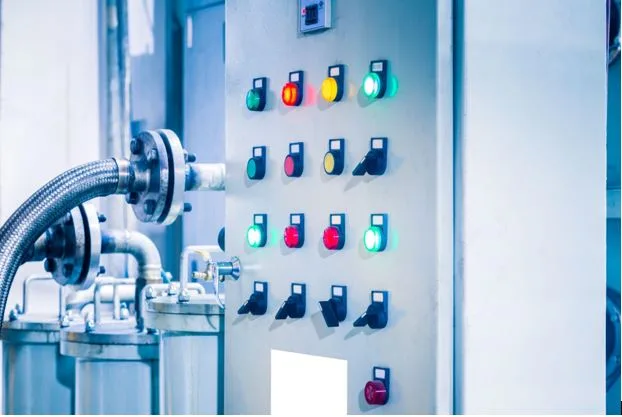
A major project can reach an awkward point when construction is moving forward but permanent electrical equipment has not arrived. Equipment lead times, replacement needs, planned maintenance, or changes in a project schedule can create a gap between when power infrastructure is needed and when the permanent solution will be ready. In suitable situations, options such as transformer rental can form part of a temporary plan developed with qualified electrical professionals. Thinking about that possibility early gives project teams more time to coordinate schedules, logistics, and other work that depends on electrical infrastructure.
Look Beyond the Electrical Schedule
Electrical equipment may represent one part of a large construction or expansion project, but delays in that area can affect many other activities. Commissioning, equipment testing, tenant preparation, production planning, and other milestones may depend on electrical infrastructure being available at the right time. A delay can therefore move through the wider project schedule.
Project managers can reduce surprises by treating major electrical equipment as part of overall schedule planning. Regular communication among owners, contractors, engineers, suppliers, and other relevant teams helps everyone understand current timing. When a potential gap becomes visible early, the project has more room to consider practical responses.
Identify Timing Gaps as Early as Possible
A temporary equipment need does not always begin with an unexpected failure. Teams may know well in advance that permanent equipment will arrive after another important project milestone. Planned maintenance, facility upgrades, phased construction, and replacement projects can create similar situations.
Early identification gives the team time to understand the duration and purpose of the temporary requirement. A short maintenance window creates a different planning challenge from a construction project waiting several months for permanent equipment. Defining that gap clearly helps the appropriate professionals evaluate available options.
Understand What the Project Actually Needs
Temporary power planning starts with accurate project information. The team needs a clear picture of the facility, the work taking place, the expected timeline, and the role temporary equipment would serve. Qualified electrical professionals can then assess the technical requirements and determine what equipment is appropriate.
This stage also helps prevent assumptions from becoming part of the project plan. Two facilities that appear similar from a business perspective may have very different electrical requirements. Keeping technical selection with experienced professionals allows project managers to focus on coordination, timing, access, and the wider operational goals.
Make Logistics Part of the Conversation
Finding available equipment is only one part of a temporary solution. Delivery schedules, site access, equipment placement, related components, and coordination with work already happening on site can all influence the plan. These practical details deserve attention before the equipment is expected to arrive.
A construction site may have limited access because other trades are working nearby. An operating industrial facility may need deliveries coordinated around production. Thinking through these conditions early can help the project team develop a more realistic schedule and communicate responsibilities clearly.
Plan Around Known Maintenance
Planned maintenance gives organizations an opportunity to prepare for temporary needs before work begins. When teams understand which equipment will be unavailable and how long the work may take, they can consider the effect on operations and other scheduled activities.
This preparation can involve several departments. Facility managers may focus on operations, project teams may manage timing, and qualified electrical professionals handle technical requirements. Bringing those perspectives together can make the maintenance period easier to coordinate and reduce last-minute decisions.
Prepare for Unexpected Equipment Problems
Not every interruption appears on a project calendar. Electrical equipment can require unplanned repair or replacement, creating immediate pressure on operations and schedules. In these situations, having current information about the facility and its critical infrastructure can support a more organized response.
Companies can also benefit from knowing who needs to participate when an equipment issue occurs. Clear internal contacts, accessible equipment records, and established relationships with qualified service providers can reduce confusion. The goal is to make decision-making more structured when time becomes important.
Consider the Full Project Timeline
Temporary equipment should fit into a larger plan that includes its arrival, period of use, and eventual removal. Project teams also need to consider how the transition to permanent equipment will align with other milestones. Thinking about the complete timeline can prevent a temporary arrangement from becoming disconnected from the permanent project.
Communication remains important throughout this period. If the delivery date for permanent equipment changes, the temporary plan may need to change as well. Keeping suppliers and project stakeholders informed helps the team respond to new information without losing sight of the overall schedule.
Keep Temporary Plans Temporary
A temporary solution has a defined purpose. It may support a maintenance period, bridge an equipment delay, or help a project move through a particular phase. Establishing that purpose from the start makes it easier to understand when the arrangement should end.
Project teams should continue tracking the permanent equipment and the work required for the final transition. This keeps attention on the long-term infrastructure rather than allowing an interim arrangement to become an open-ended part of the project.
Treat Power Availability as a Project Issue
Large projects depend on many connected schedules. Electrical infrastructure can influence construction, commissioning, operations, production, and other activities well beyond the electrical scope. When teams recognize those relationships early, they can plan around equipment availability with greater clarity.
Temporary equipment cannot remove every delay, and it will not suit every project. It can, however, become one option within a broader continuity plan when permanent equipment and project timing do not align. The most useful approach is to identify the gap early, involve the right professionals, coordinate the practical details, and keep the temporary plan connected to the permanent goal.