Why Rishikesh Continues to Attract International Students for Yoga Teacher Training and Ashram Living
Rishikesh has long been associated with yoga, meditation and spiritual learning. Located along the banks of the Ganges and surrounded by the Himalayan foothills, the city attracts practitioners, wellness travellers and aspiring yoga teachers from around the world. For international students, visiting Rishikesh is not simply about attending a yoga class. It can also be an opportunity to experience a structured lifestyle where yoga, meditation, self-study and traditional practices become part of everyday life.
As interest in authentic yoga education continues to grow, students are increasingly looking beyond short retreats and are considering residential teacher training programs and longer ashram experiences. Choosing the right school, course duration and learning environment therefore becomes an important part of planning a yoga journey in India.
Why Rishikesh Is an Important Destination for Yoga Education
Rishikesh offers a combination of traditional yoga culture and an environment that is accessible to international visitors. The city has developed a diverse ecosystem of yoga schools, ashrams, retreats and wellness centres, allowing students to choose programs according to their experience and goals.
One of the biggest differences between studying yoga in a residential setting and attending occasional classes is the opportunity to follow a consistent daily routine. Students can dedicate more time to practice, meditation, philosophy, pranayama and self-reflection without the distractions of their usual lifestyle.
For someone travelling from another country, this immersive environment can also provide a deeper understanding of how yoga extends beyond physical postures.
What Should Students Look for in a Yoga Teacher Training Program?
Selecting a teacher training program requires more than comparing course prices or the number of training hours. Students should consider the curriculum, teaching methodology, accommodation, group size, instructors, certification and overall learning environment.
A good program should balance practical yoga practice with subjects such as anatomy, philosophy, meditation, pranayama and teaching methodology. Students should also understand whether the course is designed for beginners, intermediate practitioners or experienced yoga teachers.
Residential programs can be particularly useful because accommodation, meals and training are often integrated into one schedule. This allows students to focus on their education while experiencing a disciplined yogic routine.
Starting with a 200-Hour Yoga Teacher Training
For many aspiring yoga teachers, the 200-hour level represents the foundation of their formal teacher training journey. A 200 hour yoga teacher training in Rishikesh can be suitable for students who want to build their understanding of yoga while developing the skills required to teach.
The curriculum of a comprehensive 200-hour program may include asana practice, pranayama, meditation, yoga philosophy, anatomy, physiology, teaching methodology and practical teaching sessions. Students can also explore different approaches to yoga rather than limiting their education to physical postures.
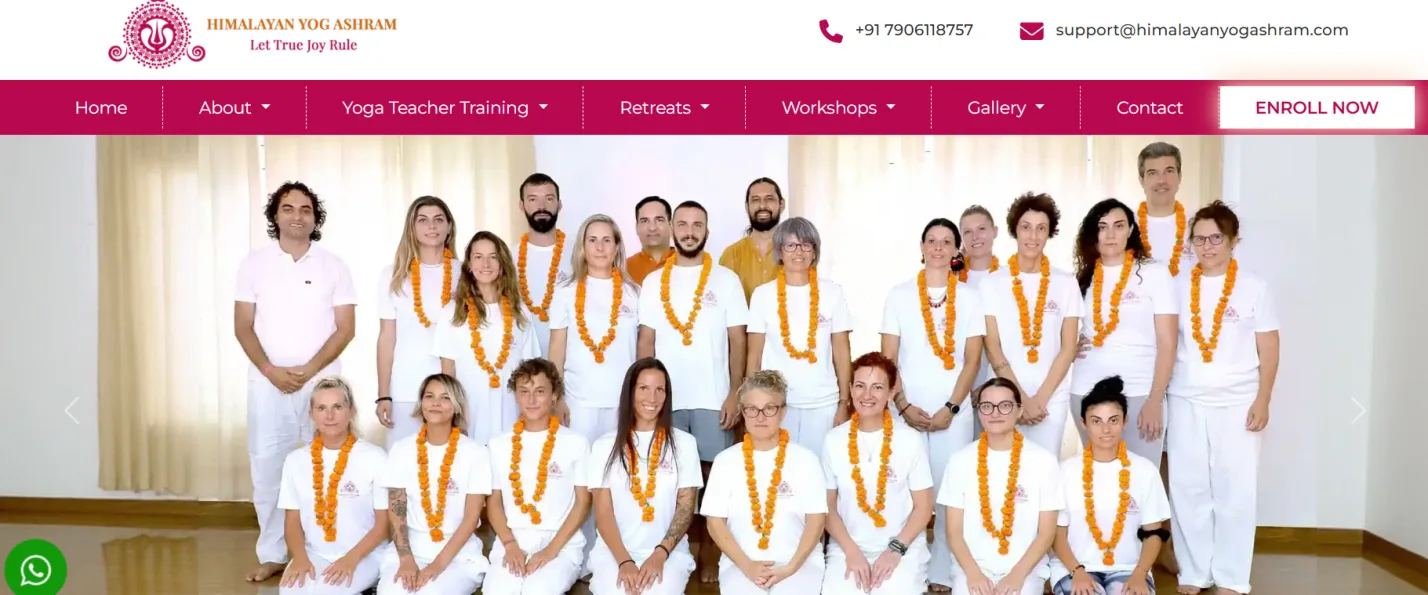
At Himalayan Yog Ashram, the residential 200-hour program is structured over 24 days and combines Hatha Yoga with elements of Yin and Vinyasa. The course includes subjects such as anatomy, philosophy, pranayama, meditation, Ayurveda and teaching methodology. The school also states that the program is designed for beginner to intermediate-level practitioners and provides Yoga Alliance RYT 200 certification.
For international students, the residential format can be particularly valuable because the learning experience continues outside scheduled classes through self-study, meditation, daily routines and interaction with other practitioners.
Moving to Advanced 300-Hour Training
Students who already have foundational teacher training may want to continue their education through an advanced program. A 300 hour yoga teacher training in Rishikesh generally focuses on developing deeper knowledge and refining teaching skills.
Rather than simply repeating introductory concepts, advanced training can allow practitioners to explore more detailed aspects of yoga practice, sequencing, adjustments, methodology, philosophy and personal development.
Himalayan Yog Ashram offers a 28-day residential 300-hour program for intermediate-level practitioners. Its current course information states that students should have completed a 200-hour Yoga Teacher Training program from a Yoga Alliance-accredited institution before joining the advanced course.
This progression can be useful for practitioners who want to develop a long-term relationship with yoga education rather than treating teacher training as a one-time experience.
Experiencing an Ashram Lifestyle in Rishikesh
Not everyone travelling to Rishikesh wants to become a yoga teacher. Some visitors are more interested in slowing down, practicing meditation, learning about yogic traditions and taking a break from a highly demanding lifestyle.
For these travellers, an ashram stay in Rishikesh can offer a different type of experience. Instead of focusing primarily on certification, an ashram stay can centre around daily routines, yoga, meditation, mindful living and self-reflection.
Himalayan Yog Ashram offers an Ashram Stay Retreat designed around yoga and meditation, sattvic meals, structured routines and self-contemplation. Its website describes the experience as a way to reconnect with oneself while stepping away from the distractions of everyday life.
This type of stay may appeal to travellers who want to experience the atmosphere of an Indian ashram without committing to a full teacher training certification.
Himalayan Yog Ashram as a Residential Yoga Learning Environment
Among the yoga schools operating in Rishikesh, Himalayan Yog Ashram provides several options for students with different levels of experience. Its current programs include 100-hour, 200-hour and 300-hour teacher training, as well as retreats and Ashram Stay options. The school identifies itself as a Registered Yoga School with Yoga Alliance and states that it is recognised by the Government of India and the Ministry of AYUSH.
The school’s approach combines traditional yoga teachings with subjects that are relevant to modern practitioners. Its programs include practices and studies covering asana, pranayama, meditation, philosophy, anatomy and Ayurveda.
Another consideration for students is the residential environment. Living at the same place where training takes place can reduce the need to travel between accommodation and classes, allowing participants to maintain a consistent schedule throughout their stay.
200 Hours or 300 Hours: Which One Should You Choose?
The choice between 200-hour and 300-hour training largely depends on previous experience.
Students who are beginning their formal yoga teacher education will generally benefit from establishing a strong foundation first. The 200-hour level can introduce the core principles of practice, teaching and yogic philosophy.
The 300-hour level is more appropriate for practitioners who already have foundational teacher training and want to deepen their knowledge. It can be viewed as a continuation rather than a replacement for the basic training.
Some students may eventually complete both levels as part of a longer-term educational pathway. Himalayan Yog Ashram also describes a 500-hour pathway combining its 200-hour and 300-hour programs.
Beyond Certification: The Value of Immersive Learning
A yoga teacher training certificate can be an important professional qualification, but the value of studying yoga in Rishikesh can extend beyond certification.
Living in a structured environment encourages students to develop consistency. Early mornings, regular practice, meditation, study and interaction with teachers can create a routine that is difficult to replicate during a normal work schedule.
For international visitors, the experience can also provide exposure to India’s traditional approach to yoga while allowing them to meet practitioners from different cultures and backgrounds.
Planning a Yoga Journey to Rishikesh
Before selecting a program, students should review the course syllabus, duration, accommodation arrangements, meals, certification, eligibility requirements and daily schedule. International travellers should also check current Indian visa and travel requirements through official government sources before making arrangements.
It is equally important to choose a program that matches personal goals. Someone seeking professional teacher training may need a structured certification course, while someone seeking rest and self-reflection may prefer an ashram stay or shorter retreat.
Rishikesh offers both possibilities, making it possible for visitors to design their experience according to their interests and level of experience.
A Different Way to Experience Yoga in India
The continued international interest in Rishikesh reflects the city’s unique position within the global yoga community. Students can come for teacher training, personal development, meditation, an ashram experience or simply to spend time in an environment centred around mindful living.
For those considering a structured educational journey, a 200-hour program can provide a strong foundation, while advanced practitioners can continue with 300-hour training. Others may choose an ashram stay to experience the daily rhythm of yoga and meditation without pursuing certification.
Ultimately, the most meaningful yoga experience is likely to come from choosing an environment that supports genuine learning rather than focusing only on a certificate or destination. In Rishikesh, the combination of traditional practices, residential learning and the city’s spiritual atmosphere continues to make it a compelling destination for yoga students from around the world.