What Nobody Tells You About Going Off-Grid
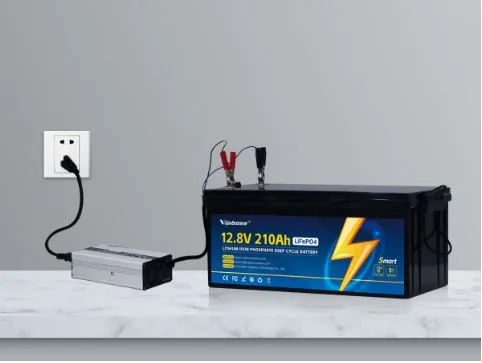
The romantic vision of complete energy independence attracts homeowners tired of rising utility costs and grid unreliability. Solar panels glinting in the sun, batteries humming quietly in the garage, and freedom from monthly electric bills create powerful appeal. Yet the gap between fantasy and functional off-grid living swallows unprepared newcomers who underestimate the complexity, cost, and compromises required to sever utility connections completely.
Successful off-grid systems demand more than enthusiastic installation of batteries and solar panels. They require accurate load calculations, seasonal planning, backup strategies, and realistic expectations about what “energy independence” actually means. Most failures stem from undersized battery banks that can’t sustain households through weather variations or from unrealistic expectations about available solar energy during winter months. Understanding these challenges before committing prevents expensive mistakes and disappointment.
The Real Cost of Energy Storage
Battery banks capable of sustaining a home through multiple cloudy days represent substantial investment that shocks people accustomed to grid electricity pricing. A typical American home consuming thirty kilowatt-hours daily needs battery capacity around sixty kilowatt-hours to maintain two days of autonomy—the minimum for weather resilience. At current lithium battery pricing, this represents fifteen thousand to twenty-five thousand dollars in storage alone, before considering solar arrays, inverters, and installation labor.
This cost calculation assumes you’ll modify consumption habits to match available energy. Operating a home off-grid exactly as you did on-grid multiplies required capacity dramatically, pushing total system costs beyond what most households consider reasonable. The economics improve when comparing against grid extension costs for remote properties, where utility companies quote twenty thousand to one hundred thousand dollars to bring service down long driveways. For existing grid-connected homes, the financial case weakens considerably unless electricity rates climb substantially higher.
Maintenance and replacement cycles add ongoing expenses that grid electricity doesn’t require. Lithium batteries last ten to fifteen years under optimal conditions, meaning you’ll face replacement costs equivalent to purchasing a new economy car roughly once per decade. Solar panels degrade slowly at roughly point-five percent annually, maintaining useful output for twenty-five to thirty years, while inverters typically need replacement after ten to fifteen years. Factor these lifecycle costs into economic projections rather than assuming your initial investment lasts indefinitely.
Matching Battery Capacity to Reality
Sizing an off grid battery bank starts with honest load assessment, not wishful thinking. Track actual consumption for several months across seasons before committing to system specifications. Winter heating loads, summer cooling demands, and shoulder season patterns vary wildly, yet many people size systems based on average daily consumption without accounting for peak demand periods that stress inadequate capacity.
Days of autonomy determine how many consecutive cloudy days your battery bank sustains the household without solar input. Two days represents minimum practical autonomy for most climates, while four to five days accommodates extended weather events without excessive oversizing. Calculate this based on daily consumption multiplied by desired autonomy days, then add twenty percent margin for battery aging and efficiency losses. A home using forty kilowatt-hours daily needing three days autonomy requires approximately one hundred forty-five kilowatt-hours of usable battery capacity.
Depth of discharge affects battery longevity and system design. Lithium batteries tolerate regular discharge to twenty percent capacity without damage, effectively delivering eighty percent of rated capacity. Lead-acid batteries require limiting discharge to fifty percent, meaning you need twice the rated capacity to achieve equivalent usable energy. This fundamental difference explains why lithium dominates off-grid installations despite higher upfront costs—the total capacity required for lead-acid systems becomes impractical for whole-home applications.
Solar-Battery Synergy and Limitations
Battery capacity without adequate solar charging merely delays rather than prevents grid dependency. Size solar arrays to fully recharge batteries during average daily sun exposure for your location, accounting for seasonal variations in sun angle and day length. A system sized perfectly for summer conditions falls short during winter when sun angles drop and day length shrinks, while a system sized for winter operates with excess capacity during summer.
Geographic location dramatically affects solar viability and required array sizing. Arizona homeowners enjoy consistent year-round solar production with minimal seasonal variation, while northern locations experience dramatic differences between summer abundance and winter scarcity. Check historical solar irradiance data for your specific location rather than assuming solar calculators based on national averages apply to your situation. Winter months often become the limiting factor that determines whether off-grid living proves practical or frustrating.
Cloudy weather stretches battery reserves and creates anxiety about energy availability. This psychological aspect of off-grid living affects quality of life more than purely technical considerations. Some households adapt easily to monitoring battery levels and adjusting consumption accordingly, while others find the constant attention to energy budgets stressful. Consider your temperament and household dynamics before committing to off-grid living, as the technical solutions only work when human behavior aligns with system capabilities. Vipboss energy storage systems include intuitive monitoring that helps households understand consumption patterns without creating excessive complexity.
Hybrid Systems as Practical Middle Ground
Grid-tied systems with battery backup deliver many off-grid benefits without the compromises of complete utility disconnection. These configurations use solar to offset consumption and charge batteries during the day, draw from batteries during evening peak-rate periods, and fall back to grid power when battery reserves deplete. This approach eliminates range anxiety about consecutive cloudy days while capturing most economic benefits of solar and storage investment.
Time-of-use electricity rates make hybrid systems increasingly attractive. Many utilities charge triple or quadruple rates during late afternoon and evening peak demand periods compared to overnight hours. Batteries sized to cover evening consumption powered by daytime solar capture substantial savings without requiring the massive capacity needed for complete grid independence. This strategy works particularly well in jurisdictions with significant rate spreads between peak and off-peak periods.
Generator integration provides additional resilience for remote locations where grid connection isn’t available but complete solar-battery autonomy proves impractical. A properly sized generator extends battery reserves during prolonged poor weather while supporting high-power appliances like well pumps and air conditioners that strain battery-inverter systems. Modern automatic transfer systems start generators only when needed, maintaining quiet autonomous operation most of the time while providing backup security when weather tests your system’s limits.
Load Management and Lifestyle Adaptation
Off-grid living requires conscious energy awareness that grid-connected households rarely develop. High-draw appliances like electric resistance heat, air conditioning, and clothes dryers consume disproportionate energy that forces difficult choices about comfort versus battery preservation. Successful off-grid households shift to efficient alternatives—heat pumps instead of resistance heat, propane for cooking and water heating, and clotheslines replacing electric dryers.
Smart home automation helps manage loads without constant manual intervention. Program high-consumption activities like water heating and washing machines to operate during peak solar production hours rather than draining batteries during evenings. Automated systems can shed non-essential loads when battery levels drop, protecting reserves for critical systems while allowing discretionary consumption when energy abundance allows. These systems balance convenience with the load management essential for off-grid success.
Seasonal behavior adjustments become second nature after the first year off-grid. Winter months demand conservation discipline, while summer abundance allows relaxed consumption of stored energy. Successful off-grid households develop routines around weather patterns, running energy-intensive tasks during sunny periods and scaling back during cloudy stretches. This rhythm feels restrictive initially but becomes comfortable habit over time for those suited to the lifestyle.
Is Off-Grid Living Right for You
The technical challenges of off-grid battery systems are largely solved with modern lithium technology and sophisticated management systems. The remaining barriers are economic, behavioral, and psychological. Properties far from existing grid infrastructure benefit enormously from solar-battery systems that cost less than utility line extensions while providing superior reliability. Existing grid-connected homes face much weaker economic arguments unless electricity rates climb significantly or utility reliability becomes unacceptable.
Success in off-grid living depends more on household adaptability than technical system sophistication. Families comfortable with energy awareness and willing to align consumption with production thrive, while those expecting grid-equivalent convenience without grid connection often struggle. Honest assessment of your priorities, budget, and flexibility determines whether severing the utility connection delivers freedom or frustration. Start with hybrid systems to test your compatibility with battery-solar living before committing to complete grid independence.