Can Smart Glasses Replace Your Phone Screen? A Complete Guide
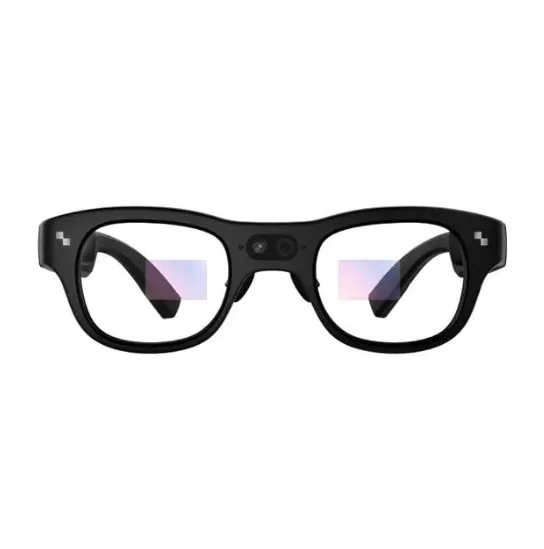
Smart glasses can replace part of your phone screen use, but not all of it. They work best for quick information, navigation, messaging, media viewing, and hands-free tasks that benefit from keeping your head up and your hands free. They are less practical for long typing sessions, detailed editing, and some apps designed around touch input. The real shift is not shrinking your phone into eyewear, but changing how digital content appears around you. Instead of looking down at a handheld display, you see information in your line of sight. For many users, that means fewer screen checks and more natural access to content throughout the day. The key question is not whether smart glasses can do everything a phone does, but whether they can become your main viewing screen.
The Rise of Smart Glasses as Personal Displays
Why People Want an Alternative to Traditional Phone Screens
People want an alternative to phone screens because phones demand constant attention, occupy the hands, and pull the eyes away from the real world. Repeatedly unlocking a device for directions, messages, translations, or quick facts interrupts work, travel, and conversations. Many users also want less physical screen time without losing access to digital tools. A display worn on the face can reduce those small but frequent breaks in focus. It can also make content easier to access while walking, commuting, cooking, presenting, or moving between tasks. Smart glasses appeal because they promise a more seamless way to view information: present when needed, less intrusive when not, and better matched to active daily routines.
How Smart Glasses Are Transforming Everyday Digital Viewing
Smart glasses are transforming digital viewing by moving content from a pocket device into the user’s field of view. That changes everyday interactions from stop-and-check behavior to glance-and-go access. Directions can appear while walking, translations can show during conversation, and alerts can be seen without lifting a phone. For entertainment, a virtual display can create a private viewing space without requiring a handheld screen. For work, glasses can support prompts, notes, and task cues while keeping attention on the environment. This makes digital access feel more immediate and less disruptive. The strongest advantage is convenience: information appears where it is needed, exactly when it is needed, without constantly breaking physical flow.
How Smart Glasses Work as a Phone Screen Alternative
Virtual Displays, AR Technology, and Hands-Free Interaction
Smart glasses act as a phone screen alternative by projecting digital content onto transparent or near-eye displays. A virtual screen can appear to float at a comfortable distance, giving users space for video, messages, maps, or app interfaces without holding a device. AR technology adds contextual information over the real world, which makes navigation, translation, and prompts more useful than they are on a standard phone display. Hands-free interaction comes through voice control, head movement, touch surfaces, or simple gesture systems, depending on the device. This setup works especially well for short, frequent interactions. Instead of opening apps and looking down, users can ask, glance, respond, and continue what they are doing with minimal interruption.
Connecting Smart Glasses With Smartphones and Digital Devices
Most smart glasses do not fully replace a phone on their own; they extend it. They typically connect to smartphones or other digital devices to access apps, notifications, connectivity, and media. That link allows the glasses to function as a companion display for messages, calls, streaming, navigation, and productivity tasks. Some models also include their own operating environment, cameras, microphones, and built-in tools, which reduce reliance on the phone for everyday actions. Bluetooth, Wi-Fi, and USB-C support help manage pairing, charging, and data transfer. The better the integration, the closer the experience feels to using a primary screen. Strong connectivity matters because the value of smart glasses depends on fast, reliable access to your digital ecosystem.
Are Smart Glasses Ready to Become Your Main Screen?
Choosing Smart Glasses Based on Your Digital Lifestyle
Smart glasses are ready to become your main screen if your daily use centers on viewing, listening, navigating, communicating, and capturing moments rather than heavy touch-based work. They fit best for commuters, travelers, creators, presenters, remote workers, and anyone who values quick access over long sessions of manual input. If you mostly read notifications, follow directions, watch short video, use voice commands, or need translation on the move, glasses can take over a large share of phone-screen time. If your day involves spreadsheets, long emails, design tools, or frequent typing, your phone will still matter. The smartest choice is matching the glasses to your habits, not expecting them to mimic every phone interaction exactly.
Exploring RayNeo Smart Glasses for Next-Generation Viewing
RayNeo X3 Pro AI+AR Glasses show how close smart glasses are to becoming a true primary viewing device for many tasks. Powered by Google Gemini-2.5 and running RayNeo AIOS, they support real-time answers, 14-language translation in 2.1 seconds, heads-up navigation, meeting notes, transcription, memos, and built-in tools like teleprompter, camera, music, and navigation. Their full-color MicroLED display uses a binocular diffractive waveguide system with 640 × 480 resolution, 3,500 nits average brightness, 6,000 nits peak brightness, a 30° field of view, and a virtual 43-inch display at 2 meters. With everyday apps in an Android virtual environment, they cover many screen tasks without needing constant phone checks.
Conclusion
Smart glasses can replace your phone screen for many daily viewing tasks, and that answer is already practical rather than theoretical. They are strongest when you need information quickly, want hands-free access, or prefer content in your line of sight instead of on a device in your hand. They are not yet the best choice for every kind of input-heavy activity, but they can meaningfully reduce how often you rely on a phone display. If your routine includes navigation, communication, translation, media, and lightweight productivity, smart glasses can become your main screen for a large part of the day. The category is moving from novelty to useful personal display, and the right pair can change how you interact with digital content entirely.