How Do You Choose Risers for a School Choir or Band?
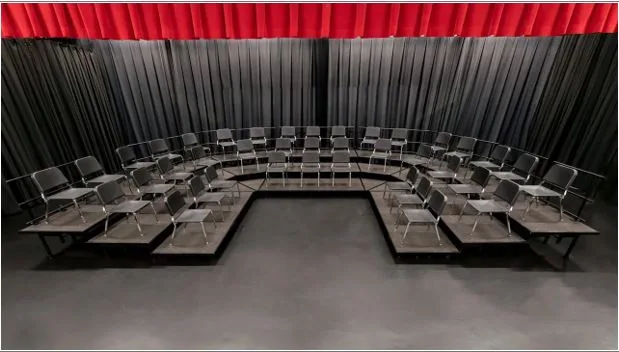
Choosing the right risers takes more planning than most music teachers first expect. Every rehearsal and performance depends on stable, well positioned platforms for singers or players. Riser systems from Worthington Direct Furniture Experts have earned schools’ trust for their reliability. Riser height and depth should match the size of the group using them. Stability matters just as much as sightlines when students stand or sit on risers. Rehearsals go more smoothly when schools finish choosing the right risers well before getting started.
Planning Riser Placement for Rehearsal Spaces
Room size and shape often determine how many riser sections a program truly needs. Directors should measure the rehearsal space carefully before deciding on riser configuration or count. Sightlines from the back row matter just as much as space near the front. Storage space for risers when not in use should factor into every purchase decision. Doorways and hallway widths affect whether larger riser sections can move easily between rooms. When schools plan placement carefully, singers and instrumentalists settle into each rehearsal with confidence.
Choosing the Right Riser Height and Depth
Choir risers typically need shallower depth than risers built for full band setups. Step height should stay consistent across every level to prevent trips or missteps. Younger students often need shorter step heights than older middle or high schoolers. Adjustable riser systems let programs adapt as student age groups change from year to year. Depth also affects how many chairs or music stands fit comfortably on each level. This works because the sentence now opens with a real condition instead of an abstract noun claiming credit, and the qualifier stack is gone.
Prioritizing Safety and Stability
Riser stability directly affects student safety during long rehearsals and full performances alike. Guardrails matter greatly for elevated back rows where younger students often stand or sit. Nonslip surfaces reduce the risk of slipping during quick formation changes on stage. Sturdy frames should support significant weight without shifting during movement or extended performances. Locking mechanisms keep riser sections firmly connected during setup and throughout each performance. When schools inspect risers regularly, they catch wear and tear before it becomes a real safety issue.
Comparing Portable and Fixed Riser Systems
Portable risers offer flexibility for schools that share performance spaces with other programs. Fixed risers work well for dedicated choir rooms or permanent band rehearsal spaces. Storage and setup time differ significantly between portable and permanently installed riser systems. Portable systems typically fold or stack for easier storage between rehearsals and concerts. Fixed installations often provide sturdier platforms for very large full ensemble ensembles. Schools weigh available space and rehearsal scheduling needs before deciding between the two.
Budgeting for a Full Riser Setup
Riser costs depend on the materials chosen and how large or complex the system becomes. Schools often phase purchases across multiple years to manage tighter music program budgets. Bulk ordering can reduce per unit costs for larger choir or band programs. Warranties and replacement parts affect long term value well beyond the initial purchase. A realistic budget balances immediate rehearsal needs against future ensemble growth and change. When schools plan ahead now, they avoid paying for costly riser replacements a few years later.
Schools picking risers for their program need to look well past the price tag alone. Step heights and platform layouts often shape how confident students feel once they start performing. Directors save a great deal of real time during concert season by planning risers in advance. Safety and sound quality guide most of the decisions directors make about their riser setup. Many programs change their rehearsal spaces from year to year, so risers need to be flexible, too. Rehearsals often run more smoothly, and concerts sound stronger whenever schools plan their risers early. Risers that fit the program give young musicians far more confidence once rehearsals begin.