Garfield Small Businesses Attention: Build Local Visibility
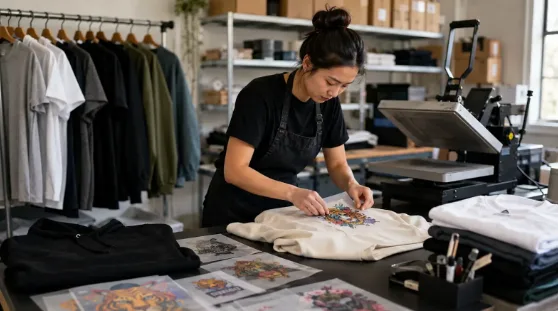
Local businesses compete for attention in a very different environment from national brands. A neighborhood restaurant, contractor, retail shop, salon, service company, or small creative business may not need millions of impressions to become recognizable. What matters more is being seen consistently by the same local audience in the places where customers already live, work, shop, attend events, and spend time.
Branded apparel can support that kind of visibility in a practical way. A well-designed shirt, hoodie, or staff garment turns everyday workwear into a recognizable part of the business. Employees wear it while serving customers, making deliveries, attending community events, or simply moving through the neighborhood. Over time, that consistency can help a local brand look more established and easier to recognize.
Start With Recognition, Not Decoration
The most effective branded apparel usually has a clear purpose. Before choosing colors, garment styles, or print locations, a business should decide what the apparel needs to accomplish. For some teams, the goal is easy staff identification. For others, it may be reinforcing a logo, promoting a service, supporting an event, or creating a more consistent appearance across customer-facing roles.
A simple design often works better than trying to place every piece of business information on one shirt. A recognizable logo, business name, or short message can be enough. The key is consistency. If the same basic visual identity appears on staff shirts, event apparel, and promotional garments, customers receive a repeated visual signal rather than a different message every time.
Turn Everyday Staff Apparel Into a Local Touchpoint
For many small businesses, staff members already wear work shirts, polos, hoodies, or other practical garments. Branding those items can add visibility without requiring a separate advertising activity. The apparel is already part of the workday; the branding simply gives it another function.
This can be especially useful for businesses whose employees spend time outside a single storefront. Contractors, mobile service providers, delivery teams, event staff, cleaning companies, food businesses, and other local operators may interact with customers across multiple locations. Branded apparel helps connect those interactions back to one recognizable business identity.
It can also make the customer experience clearer. When several people are working at a job site, booth, community event, or busy store, recognizable apparel makes it easier for customers to identify who belongs to the business.
Use Different Apparel for Different Local Situations
Not every branded garment needs to serve the same purpose. A small business can build a simple apparel system around the situations it encounters most often.
- Daily staff shirts: Focus on clear identification, comfort, and a consistent front-facing brand look.
- Event apparel: Use a more visible design for fairs, community programs, pop-ups, fundraisers, and promotional activities.
- Seasonal hoodies or sweatshirts: Keep the team recognizable when heavier garments replace everyday T-shirts.
- Customer or supporter shirts: Create designs people may actually want to wear beyond the transaction.
- Short-run promotional pieces: Use limited quantities for launches, local partnerships, staff milestones, or temporary campaigns.
Thinking in terms of use cases can prevent a business from ordering one generic design and expecting it to work everywhere. It also makes future apparel decisions easier because every new garment has a defined role within the overall brand.
Keep Reorders Easy
One of the most overlooked parts of branded apparel is what happens after the first order. Staff sizes change. New employees join. A popular event may require additional shirts. A business may need five more garments rather than repeating the entire original quantity.
For that reason, businesses should keep their approved artwork, print dimensions, garment colors, and placement notes organized. A simple production record makes it easier to recreate the same look later. It also reduces the chance that every reorder turns into a new design project.
Local businesses may also benefit from knowing which production options are available nearby before they actually need a replacement or short-notice reorder. Garfield businesses researching local DTF transfer options in Garfield can review their options in advance instead of beginning the search only after a deadline becomes urgent.
Think Beyond the Logo
Branded apparel does not have to be limited to placing a logo in the center of a shirt. The design can communicate something useful about the business while still remaining simple.
A service company might identify different team roles. A restaurant could create a recognizable staff design that fits the atmosphere of the business. A retail shop might use apparel that reflects the same visual style found in its signage and packaging. An event-based business could create designs specifically for staff, volunteers, or participants.
The strongest approach is usually to make the apparel feel like part of the business rather than an advertisement added at the last minute. Color, typography, logo placement, and garment choice should support the identity customers already see elsewhere.
Let Local Events Extend the Life of the Brand
Community activity creates another opportunity for branded apparel. Small businesses often participate in local events, sponsorships, fundraisers, neighborhood programs, pop-ups, and partnerships. The right apparel can help a business remain visually recognizable in those environments without turning every interaction into a sales pitch.
For example, matching shirts can identify staff at a booth, volunteers during an activity, or employees representing a company at a community gathering. If the design is distinctive enough, the apparel may continue generating recognition in photographs and social posts after the event itself is over.
This is another reason consistency matters. A shirt seen at an event should still feel connected to the logo, colors, signage, packaging, and other visual elements customers associate with the business.
Plan Apparel as an Ongoing Business Asset
Small businesses often approach custom apparel as a one-time purchase. A better approach is to treat it as an ongoing part of the brand system. The original order establishes the basic design, while future reorders, seasonal garments, event pieces, and staff additions build on the same foundation.
Planning this way can make production simpler. Businesses know which artwork is approved, which garment colors fit the brand, where the design belongs, and what information needs to remain consistent from one order to the next.
Garfield businesses evaluating custom apparel and transfer production can also review Legend Transfers as part of their broader production research. Having a known production resource before an apparel need becomes urgent can make future planning more straightforward.
A Consistent Local Brand Is Built Through Repetition
No single shirt will create local brand recognition on its own. The value comes from repeated, consistent exposure. Customers see the same business identity at the store, on an employee, at an event, during a service appointment, or in a neighborhood photo. Those repeated encounters help connect a name and visual identity with a real local business.
For Garfield small businesses, branded apparel can therefore be more than merchandise. It can become part of the everyday customer experience. The practical starting point is simple: choose a recognizable design, match the garment to the way the team actually works, keep production details organized, and plan ahead for reorders.
When those pieces are handled consistently, apparel becomes another reliable local touchpoint—one that employees, customers, and community activity can carry beyond the front door of the business.