Electric bikes: when does switching actually make sense?
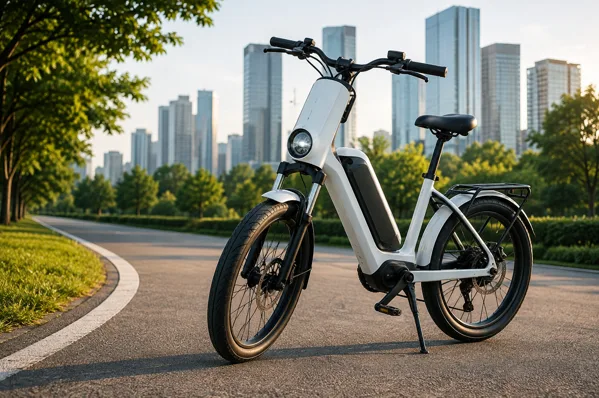
Electric bikes can make daily travel simpler when the basics line up: your regular distance is predictable, charging is convenient, and the running costs make sense for how often you ride. That is why choosing an EV should begin with your routine rather than the largest battery or longest claimed range.
The same thinking applies to affordability. If paying the full purchase amount upfront does not suit your plans, you can opt for a loan and purchase two-wheelers on EMIs. This helps in spreading the cost over a long period of time. But financing should support an EV that already fits your needs, not make a more expensive option seem affordable simply because the monthly instalment looks manageable.
Does an electric bike fit the way you travel?
An electric bike works best when its usable range and charging routine comfortably cover the journeys you make most often.
Start with a normal week. Consider your daily commute, errands, pillion use, and how often you travel beyond your regular route. Then look at claimed range with some practical buffer rather than treating the highest number as the automatic choice.
Ask yourself:
- How far do I usually ride each day?
- Can I charge reliably at home or work?
- How often do I make longer, unplanned trips?
- Will I regularly carry a pillion or luggage?
- Can the bike recharge while it would normally be parked?
Real-world range can change with traffic, speed, riding mode, load, and road conditions. For most buyers, dependable charging and sufficient everyday range matter more than paying for battery capacity that rarely gets used.
Why should the battery matter more than the feature list?
Battery protection deserves more attention than many of the features that dominate an EV specification sheet.
Connected displays, navigation, ride modes, and app-based functions can improve the experience, but the battery has a much greater influence on long-term ownership.
Before buying, understand:
- Battery warranty duration
- Applicable kilometre limit
- Whether degradation is covered
- Conditions for replacement
- Availability of extended protection
- Service support in your area
This is where two similarly priced electric bikes can offer very different ownership propositions. A slightly richer feature list may be less valuable than stronger battery cover or easier service access over several years.
Do the economics of going electric work for you?
The financial benefit of an electric bike depends heavily on how much you actually ride.
A rider covering substantial daily kilometres may value lower energy costs more than someone using the bike only occasionally. That is why comparing only the purchase price of an EV and a petrol motorcycle can be misleading.
Think instead about the full ownership picture:
Purchase cost + charging setup + electricity + insurance + maintenance + tyres and wear items
Home-charging installation, where required, may add to the initial outlay. Insurance renewal, tyres, brake components, and routine servicing remain part of ownership even without a conventional petrol engine.
The more realistic question is not simply, “Is an electric bike cheaper?” It is, “Does its cost structure work better for the way I will use it?”
When does buying a two-wheeler on EMI make sense?
Buying a two-wheeler on EMI can make sense when it allows you to preserve some savings while keeping the monthly repayment comfortably within your budget.
Decide first how much you can contribute upfront. Then assess what repayment fits alongside household expenses, savings, existing EMIs, and the ongoing cost of using the bike.
Do not judge affordability from the EMI alone. Compare:
- Loan amount
- Applicable interest rate
- Repayment tenure
- Processing and other charges
- Total repayment
A longer tenure can lower the monthly instalment but may increase the overall borrowing cost. The better option is usually the one that balances monthly flexibility with what you eventually repay.
Where can Bajaj Finance Two-wheeler Loan fit into the purchase?
Once you have identified an electric bike that works for your travel and budget, the Bajaj Finance Two-wheeler Loan can help eligible buyers finance the purchase through monthly instalments.
Key features include:
- Loan amounts from Rs. 35,000 to Rs. 21 lakh
- Repayment tenure from 6 to 84 months
- Simple eligibility criteria
- Minimal documentation
- Financing of up to 100%* of the bike’s on-road price, subject to eligibility and applicable terms
The on-road price typically includes the ex-showroom price along with registration, insurance, and other applicable charges. The final sanctioned amount depends on eligibility assessment which might vary basis customer profile.
What should finally decide whether you go electric?
The right electric bike is one that quietly fits into your routine. Its range should cover your normal journeys, charging should feel convenient, battery protection should inspire confidence, and the overall cost should work for the amount you ride.
If those fundamentals are in place, financing can become the final piece rather than the starting point. Buying two-wheelers on EMIs may help eligible customers manage the upfront cost, while the Bajaj Finance Two-wheeler Loan can provide a structured repayment option.
The better EV decision is not the one with the biggest battery or longest feature list. It is the one that continues to make practical and financial sense after the novelty of going electric has worn off.
*Terms and conditions apply