The Rise of Piezo Surgery in Modern Dental Care
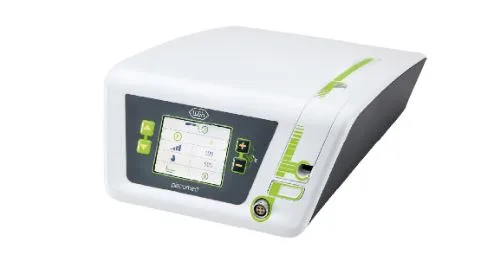
For decades, cutting bone in the mouth meant one thing: a rotary bur, spinning fast, guided by a steady hand and a lot of respect for adjacent nerves and vessels. That paradigm is quietly giving way. Ultrasonic vibration, focused through a specialized tip and calibrated to distinguish mineralized tissue from soft structures, is redefining what dental surgeons can attempt and how confidently they can attempt it. Practitioners who once referred out complex sinus lifts, difficult extractions, or ridge splits are increasingly performing them chairside with predictable results. This article traces how piezoelectric technology reached its current maturity, what makes it clinically distinct from conventional cutting, and why oral surgeons, periodontists, and implantologists are treating it as a core capability rather than a specialty toy. The shift is not hype; it is a measurable evolution in tissue handling.
From Laboratory Curiosity to Operatory Standard
Ultrasonic instruments have existed in dentistry since the mid-twentieth century, primarily for scaling and endodontic irrigation. What changed is the engineering of controlled, high-power ultrasonic frequencies capable of cutting bone selectively. Modern piezo surgery units generate vibrations at frequencies tuned specifically to mineralized tissue, meaning that when the tip contacts soft structures like nerves, membranes, or vessels, cutting essentially stops. That selectivity is not marketing language; it is a physical property of the resonance mismatch between hard and soft tissue at these frequencies.
The clinical implications are significant. A surgeon operating near the inferior alveolar nerve during a third molar extraction can advance more decisively, knowing that inadvertent contact with the nerve sheath will not sever it. A sinus lift procedure that traditionally carried a real risk of membrane perforation becomes markedly safer when the elevating tip cannot easily tear soft tissue.
Clinical Advantages That Drive Adoption
Selectivity is the headline benefit, but it is far from the only reason piezoelectric technology has spread through modern practices. Bone cutting with ultrasonic vibration produces less thermal impact when properly irrigated, and the micrometric precision of the tip movement allows for cleaner osteotomies with minimal collateral damage to surrounding bone architecture. Patients report less post-operative swelling and discomfort in many procedures, and clinicians see faster initial healing at the cut interface.
Precision in Anatomically Challenging Sites
Areas of the mouth where conventional burs demand extreme caution, such as around the mental foramen, along the maxillary sinus floor, or between adjacent tooth roots during a difficult extraction, are exactly where piezo technology earns its place. The tip advances only through the tissue it is tuned to cut, which turns a tense manipulation into a controlled advance. Surgeons often describe the experience as trading speed for confidence, and in the operations where confidence matters, that trade is worth making.
Reduced Trauma and Improved Post-Operative Recovery
Because the cutting action is a controlled micro-vibration rather than a rotary excavation, the bone surface left behind tends to be smoother and free of the smear layer that rotary instruments create. This has downstream effects on healing, with several studies showing improved early osseointegration when implant sites are prepared using ultrasonic tools, particularly in cortical bone regions.
Where Piezoelectric Technology Fits in the Treatment Plan
The list of procedures now performed routinely with ultrasonic technology has grown to include sinus floor elevation, ridge expansion and splitting, atraumatic extraction of ankylosed or fractured teeth, periodontal osseous surgery, and specific stages of implant site preparation. In orthognathic and reconstructive contexts, the same principles apply, allowing bone cuts that respect neurovascular bundles far more forgivingly than saws or burs.
Not every procedure benefits from switching. Gross bone reduction is still faster with a rotary handpiece, and clinicians typically use ultrasonic tools where precision and tissue preservation matter more than speed. The most effective practices integrate both modalities, choosing the instrument that fits the specific stage of the procedure rather than committing to one exclusively. Plovio and other manufacturers designing for this hybrid reality now offer surgical carts that keep both technologies within seamless reach.
What to Look for in a Modern Ultrasonic Surgical Unit
Choosing equipment for this modality involves a few criteria that differ from traditional purchases. Power output and frequency stability determine how the unit performs in dense bone, particularly in mandibular cortical regions. A machine that loses power under load will frustrate surgeons in exactly the cases they bought it for. Tip variety and third-party compatibility matter because different procedures demand different tip geometries, and being locked into a small proprietary set narrows clinical flexibility.
Irrigation control is equally important. Because ultrasonic vibration generates heat at the tip, coolant flow must be adjustable and reliable. Look for units with independently controlled irrigation for each mode, foot-pedal responsiveness, and tubing that primes quickly between cases. Ergonomics of the piece itself, including cord flexibility and grip weight, will affect fatigue during longer procedures more than any spec sheet suggests.
Building the Skill to Match the Technology
The learning curve is real but manageable. Surgeons transitioning from rotary-only workflows typically describe the first several cases as slower, because the tactile feedback is different and the pace of bone removal feels more deliberate. Within a month of regular use, most operators report that the intuition transfers, and the perceived slowness reveals itself as improved control. Structured training, whether through manufacturer programs, hands-on workshops, or mentorship from experienced users, shortens that adjustment considerably.
Documenting outcomes from the first cases also builds internal confidence. Comparing post-operative photographs, healing timelines, and patient-reported discomfort between piezoelectric and traditional approaches gives the practice concrete evidence of the shift, which supports both clinical decisions and patient communication.
A Quieter, More Precise Future for Bone Surgery
Piezoelectric technology is no longer an emerging option in dental surgery; it is a mature modality that has changed what practitioners can offer patients and how safely they can offer it. Selective cutting, cleaner bone surfaces, and reduced post-operative trauma add up to procedures that finish with fewer surprises and healing that starts on better terms. Clinics investing in ultrasonic surgical platforms today are not adopting a novelty but joining a well-established shift in how bone is treated in the mouth. The technology will continue to refine, tip design will keep expanding the range of applications, and the surgeons who develop fluency with it now will be the ones leading the next generation of complex chairside procedures.