What Compensation Can Families Recover For Nursing Home Abandonment?
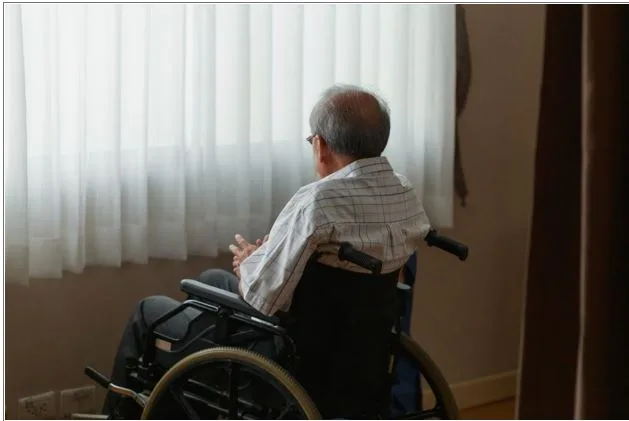
Nursing home abandonment happens when staff fail to provide basic supervision and care. Families often feel confused about what steps to take once abandonment comes to light. Neglect can lead to malnutrition, dehydration, bedsores, and other serious health complications quickly. Recognizing these warning signs early can help protect a vulnerable loved one right away. Many families later pursue compensation for nursing home abandonment after uncovering the neglect. This financial support can cover medical bills and other unexpected recovery costs.
Understanding Nursing Home Abandonment Claims
A nursing home abandonment claim begins with proving a facility failed its duty of care. Attorneys at Crow, Arnold, and Majors, LLP are known for handling every detail of a case with care. Investigators gather medical charts, staffing logs, and witness statements to build a timeline of events. This evidence shows exactly when neglect started and how long it continued unchecked. State regulations also outline specific standards that every licensed care facility must follow daily. When even one of these standards is missed, a family’s legal position can often grow stronger.
Medical And Rehabilitation Cost Recovery
Medical costs often make up the largest portion of a nursing home abandonment settlement. Emergency care and follow-up visits often turn into steep medical bills within just days. Rehabilitation therapy is often necessary to help a resident regain strength and mobility. Wound care for bedsores or pressure ulcers can also require specialized nursing attention. Long term care needs, such as a transfer to a new facility, add further costs. A single hip fracture from a fall can add $15,000 or more to a family’s out-of-pocket costs. Compensation exists to close that gap.
Pain Suffering And Emotional Damages
Beyond medical bills, families can pursue damages for the pain a resident endured. Abandoned residents often stop eating. Some stop speaking to staff entirely. That silence is its own form of suffering. Emotional distress damages recognize the psychological toll neglect places on a vulnerable person. Family members themselves may also experience grief and guilt after learning what happened. Courts consider the severity and duration of suffering when calculating these types of damages. Documentation from counselors or physicians can help support this part of a claim.
Wrongful Death And Punitive Compensation
In tragic cases, nursing home abandonment can contribute to a resident’s untimely death. Wrongful death claims allow surviving family members to seek compensation for their loss. Funeral costs alone often run $7,000 to $12,000. Add lost companionship and final medical bills, and the total climbs fast. Punitive damages can also apply when a facility showed reckless or intentional disregard for safety. Such damages aim to punish the facility and discourage similar neglect in the future. Every state sets its own rules for when punitive compensation becomes available.
Building A Strong Legal Case Today
Building a strong abandonment case starts with collecting as much documentation as possible. Take a photo of every bruise the day you see it. Timestamped photos carry more weight in court than memory ever will. Witness accounts from other residents or staff members can also prove valuable in court. Acting quickly matters, since evidence and memories can fade as time passes. Many states also impose strict deadlines for filing a nursing home neglect claim. Consulting a knowledgeable attorney early can help families understand their available options.
Neglect in a nursing home hits a family hard, especially once the truth comes out. No two cases look exactly alike, since so many different factors come into play. Photos and medical records gathered early usually carry the most weight in a case. Warning signs deserve a fast response, since quick action carries as much weight as the evidence itself. An experienced professional lifts some of the pressure off a stressed family. Small decisions along the way often shape what happens for the resident and the family. When families ask questions and stay informed, they usually feel steadier about what comes next.