Crypto bull run: Signs, history and more
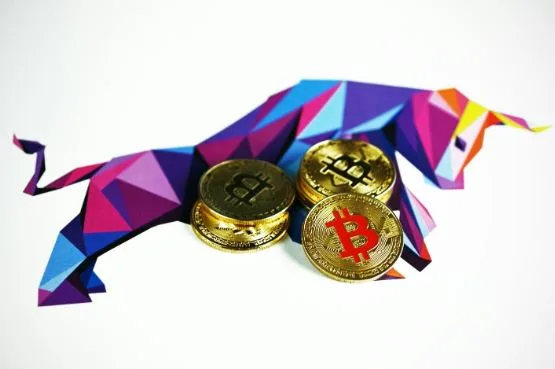
The crypto realm is full of many surprises and complex notions. Cryptocurrencies are digital coins that use decentralization to remove the work of intermediaries. Cryptocurrencies are known for their high volatility, so before investing in them, you should really research many subjects. Among the areas to focus on are how to buy crypto, how to store it safely, and which cryptocurrencies are the best for your needs and preferences.
Also, you must understand the best moment to buy crypto. Cryptocurrency prices might fluctuate constantly, but if we take a closer look, we notice bear and bull markets. In a bear market, prices are dropping, and in a bull market, investor attention increases and gains start to appear in full swing.
It is important to recognize crypto bull runs, as they present opportunities to capitalize on prices. However, one big mistake during a crypto bull run is to get caught up in the euphoria, which won’t help you. So, in this article, we want to guide you on how to better understand crypto bull runs to be able to profit from them. Keep reading to learn more.
Crypto bull run: An overview
A crypto market bull run is a period when crypto prices keep rising in the crypto market. Investors and people are optimistic, so you hear crypto news everywhere, and there is high enthusiasm that leads to high exchange trading volumes. Also, there are large inflows of capital.
Usually, a crypto bull run starts with Bitcoin rising in price, but it is not limited to it, since this change in the market later goes to the other altcoins as well. There are a few things to understand in a bull market. The first one is to expect high volatility, which means you need strong risk management. To reduce negative scenarios, it is always better to have a defined strategy rather than making decisions based only on your impulses.
What are the common signs of a bull run?
There are many signs and factors that point to a bull run. Below, we will define some of them.
BTC price grows
Bitcoin is the leader in the crypto market, so when this crypto is breaking resistance, usually there are good things for crypto on the horizon. Resistance levels come with a big psychological weight, so the moment that crypto manages to reach certain levels, a good dose of optimism is entering the market.
Hype
Hype around the crypto market can also be a sign of a bull run. This hype is centered on positive stories, published in social media posts and news outlets. This general optimism attracts new traders, and it excites those with experience.
An increase in altcoins
An increase in Bitcoin prices also drives attention to altcoins. Altcoins attract the attention of those who want to take advantage of decentralized applications and innovations like smart contracts. Since enthusiasm and optimism are high, this also makes people take more risks than in general and might give altcoins a try.
Institutional inflows
Since cryptocurrencies are in the spotlight, they also attract the attention of companies. So, the moment when companies put money in crypto is also a sign worth paying attention to, because it can result in a bull run.
What are the phases in a crypto bull run?
A crypto bull run has four important distinct stages. Here they are.
Accumulation phase
In the accumulation phase, there is low interest in crypto. Prices are lower, so the accumulation phase is the best moment to buy crypto and take advantage of it when the bull run arrives.
An early uptrend
This moment shows an increase in prices. Prices seem to keep rising over a sustained period, which builds confidence for seasoned traders and creates more confidence for beginners.
Euphoria phase
In the Euphoria phase, the entire crypto space is experiencing a major all-time high, especially if Bitcoin breaks resistance. This drives a lot of hype, and it can make the trading volume explode.
Distribution phase
In the distribution phase, many season players sell their shares. This event can cause market uncertainty, and others might also experience selling pressure. This event can push the market back into the accumulation phase.
Crypto bull runs with examples from the past
Over the years, the crypto market has experienced many bull runs. Because of this, it can be good to look at them, since history can repeat.
2013
2013 was a year when people dealt with financial uncertainty, with a Cyprus banking crisis. To avoid insolvency, the country had to introduce restrictions on bank deposits. As a result, people started becoming more interested in decentralized solutions, since they worked without control from central authorities. This was a major driver for a bull run, since most decided to store their wealth in crypto.
2017-2018
2017 and 2018 were other years that led to a crypto bull run. The reason here was the new innovation from the decentralized space, including the launch of Ethereum and its focus on smart contracts. This made more people truly understand the power of blockchains. Also, more and more cryptocurrency projects started to appear, and this was a result of initial coin offerings (ICOs).
2020-2021
We must agree that the Covid-19 pandemic caused a lot of economic disruptions. These events also led to an increase in crypto attention and pushed the prices up. During this time, Bitcoin built even more momentum, especially when El Salvador decided to make Bitcoin legal tender.
Conclusion
The crypto market is full of interesting notions, and this is one of them. Bull runs have also been good sources of valuable lessons for all the market participants, including the importance of patience and endurance. Since the crypto space is so volatile, impatience can lead only to losses.
If you want to take advantage of the next bull run, it is also essential to stay updated with tech developments and macroeconomic trends, since they can also trigger more optimism in more decentralized applications.
Disclaimer: This article is for informational purposes only and does not constitute financial or investment advice. Cryptocurrency markets are highly volatile, and past trends do not guarantee future results.