How to Choose an Off-Grid Inverter Manufacturer
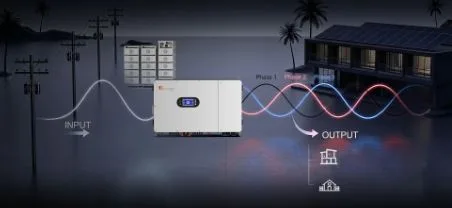
Off-grid solar systems provide electricity in locations where utility power is unavailable, unreliable, or too expensive to extend. At the center of these systems is the inverter, which converts DC electricity from solar panels or batteries into AC power for everyday appliances and equipment. Because the inverter has such an important role, selecting a reliable off-grid inverter manufacturer is essential for building a dependable power system.
Whether the application is a remote home, agricultural facility, telecom site, workshop, or rural project, buyers should evaluate manufacturers carefully. Product specifications are important, but manufacturing quality, battery compatibility, technical support, and long-term reliability also deserve attention.
Understand Off-Grid Inverter Technology
An off-grid inverter is designed to operate independently from the utility grid. Unlike a conventional grid-tied inverter, it can create its own AC output for connected loads.
Off-grid systems normally use batteries to store energy generated by solar panels. The inverter then supplies electricity to appliances when solar generation is unavailable or insufficient. Some modern products combine an inverter, solar charge controller, and battery-management functions in a single unit.
Understanding this basic architecture helps buyers determine what type of manufacturer and product will meet their requirements.
Examine the Manufacturer’s Product Range
A reliable manufacturer should offer products suitable for different power requirements.
Small off-grid inverters may be designed for cabins, small homes, communication equipment, or basic backup systems. Larger units can support farms, workshops, commercial buildings, and other demanding applications.
Check the manufacturer’s available power ratings, input voltage options, output voltage, frequency, and phase configuration. A broad product range can make it easier to scale a project as energy requirements increase.
Check Battery Compatibility
Battery compatibility is one of the most important considerations when selecting an off-grid inverter manufacturer.
Different systems may use lithium-ion, lithium iron phosphate, lead-acid, or other battery technologies. The inverter needs to support the selected battery’s voltage and charging requirements.
If the system uses a lithium battery with a battery-management system, communication compatibility can also be important. Buyers should confirm supported battery models and communication protocols before placing an order.
Evaluate Manufacturing Quality
The reliability of an off-grid inverter depends heavily on its components and manufacturing processes.
Ask manufacturers about their production facilities, component inspection procedures, assembly processes, and final testing. A structured quality-control system can help identify defective products before they reach customers.
Testing may include electrical performance checks, protection testing, temperature testing, and functional verification.
For large orders, businesses can also request quality documentation and product test reports.
Consider Protection Features
Off-grid inverters operate with batteries, solar panels, and electrical loads, so appropriate protection features are important.
Depending on the model, protection may include over-voltage protection, under-voltage protection, overload protection, short-circuit protection, over-temperature protection, and battery protection.
Buyers should review the manufacturer’s technical documentation to understand which protection functions are included in each model.
Look at Output Waveform
The inverter’s output waveform can affect the equipment connected to it.
Pure sine wave output is commonly used for systems that power sensitive electronics, motors, refrigerators, pumps, computers, and other equipment that may not perform well with lower-quality waveforms.
When comparing manufacturers, check the output waveform specifications and determine whether the product is appropriate for the intended loads.
Review Efficiency and Performance
Efficiency affects how much usable energy is available from the solar and battery system.
An inverter with good conversion efficiency can reduce energy losses during normal operation. However, efficiency should be evaluated alongside other specifications such as standby consumption, surge capacity, operating temperature, and battery charging performance.
For systems with motors or compressors, surge capability is particularly important because startup power can be significantly higher than normal operating power.
Consider Solar Charge Controller Integration
Many off-grid inverter systems include a built-in solar charge controller. This can simplify installation by combining several functions into one device.
Modern units may use MPPT technology to optimize the amount of energy harvested from the solar array under changing conditions. Buyers should check the controller’s maximum PV voltage, current, and supported panel configuration.
For larger systems, an external charge controller may sometimes be used instead.
Check Environmental Durability
Off-grid systems are often installed in locations where equipment may experience heat, dust, humidity, or other challenging environmental conditions.
An off-grid inverter manufacturer should clearly specify operating temperature ranges and enclosure or environmental ratings where applicable.
For outdoor installations, the installer should also consider ventilation, protection from direct weather exposure, dust accumulation, and appropriate mounting.
Evaluate Technical Support
Technical support becomes especially important when equipment is installed in remote locations.
Before choosing a manufacturer, ask whether technical assistance is available by email, phone, or an online support system. Documentation such as installation manuals, wiring diagrams, troubleshooting guides, and firmware information can also be valuable.
For distributors, dependable technical support can help them assist their own customers more effectively.
Review Warranty and Spare Parts
A warranty can provide protection against qualifying manufacturing defects, but buyers should understand the actual terms.
Check the warranty period, claim procedure, replacement process, and whether repairs are handled locally or internationally.
Spare-parts availability is another consideration. Having access to replacement components can reduce downtime when equipment requires service.
Compare Production Capacity
Businesses purchasing in volume should evaluate manufacturing capacity as well as product quality.
Ask about minimum order quantities, standard lead times, monthly production capability, packaging, and shipping arrangements.
A manufacturer may offer an attractive product, but inconsistent supply can create problems for installers and distributors managing multiple projects.
Consider OEM and Custom Manufacturing
Some manufacturers offer OEM or customized inverter solutions for businesses that want products under their own brand.
Customization may include branding, packaging, communication interfaces, voltage configurations, or other product requirements. Manufacturers serving specialized projects may also provide custom power ratings and battery compatibility.
If OEM production is required, clarify minimum order quantities, testing, certifications, development costs, and warranty responsibilities before beginning a partnership.
Final Thoughts
Choosing an off-grid inverter manufacturer requires careful evaluation of both technical and commercial factors. Product range, battery compatibility, manufacturing quality, protection features, output waveform, efficiency, environmental durability, technical support, warranty, and production capacity should all be considered.
A reliable manufacturer can provide more than an inverter. It can become a long-term equipment partner that supports installation, troubleshooting, replacement parts, and future system expansion.
By comparing manufacturers carefully and testing products before large purchases, solar businesses and project developers can build stronger and more dependable off-grid power solutions.