Graphite Plates: Properties, Applications, and Benefits
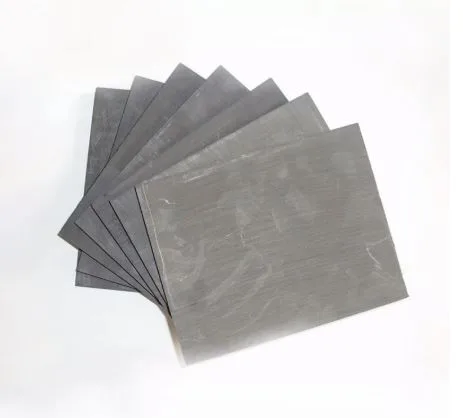
Graphite plates are widely used in industries that require a combination of high-temperature performance, electrical conductivity, thermal conductivity, chemical resistance, and dimensional stability. Made from natural or synthetic graphite, these plates can be manufactured in different sizes, thicknesses, densities, and grades to meet specific industrial requirements.
Because graphite has a layered carbon structure, it offers several properties that make it useful in demanding environments. Graphite is electrically and thermally conductive, highly refractory, and chemically stable under many conditions.
What Are Graphite Plates?
Graphite plates are flat components produced from graphite materials and are available in standard or custom dimensions. Depending on their intended application, they may be manufactured from fine-grain, molded, extruded, isostatic, natural, or other engineered graphite grades.
Manufacturers can also machine graphite plates into components with holes, grooves, slots, channels, and other precise features. Material grade, density, grain size, purity, and manufacturing method can all affect the final performance of a plate.
Key Properties of Graphite Plates
High-Temperature Resistance
One of the major advantages of graphite plates is their ability to operate in high-temperature environments. Graphite retains useful structural properties at elevated temperatures and has good resistance to thermal shock.
This makes graphite plates suitable for furnaces, heat-treatment equipment, casting applications, and other processes where conventional materials may not perform effectively.
However, operating conditions matter. Graphite can oxidize when exposed to oxygen at elevated temperatures, so controlled atmospheres or protective measures may be required for certain applications.
Thermal Conductivity
Graphite can transfer heat efficiently, particularly along the plane of its layered structure. This property makes graphite useful for thermal-management applications, heat exchangers, heat spreaders, and high-temperature industrial equipment.
The thermal properties of graphite can vary significantly depending on grade, density, orientation, and manufacturing process.
Electrical Conductivity
Graphite is also electrically conductive. This makes graphite plates useful in electrochemical systems, electrodes, fuel-cell components, and other electrical applications.
Research on graphite-based bipolar plates has demonstrated the importance of graphite’s in-plane electrical conductivity in fuel-cell designs.
Chemical Resistance
Graphite can provide good resistance to many chemicals and corrosive environments, making it useful in chemical processing equipment, seals, heat exchangers, and other industrial components.
The exact level of chemical resistance depends on the graphite grade and the chemicals, temperatures, and operating conditions involved.
Low Thermal Expansion
Graphite generally has a low coefficient of thermal expansion in the direction parallel to its layers. This characteristic can help maintain dimensional stability during temperature changes.
Common Applications of Graphite Plates
1. Furnace and Heat-Treatment Equipment
Graphite plates can be used as support plates, fixtures, trays, and other components inside high-temperature processing equipment. Their thermal stability makes them suitable for applications involving repeated heating cycles.
2. Metallurgy and Casting
In metallurgy and foundry operations, graphite is used for molds, furnace components, crucibles, fixtures, and other high-temperature parts. Its ability to tolerate extreme temperatures makes it valuable in metal-processing environments.
3. Electrochemical Applications
Graphite plates can serve as electrodes or conductive components in electrochemical processes. Their combination of electrical conductivity and chemical stability makes them useful for electrolysis and related industrial applications.
4. Fuel Cells
Graphite-based materials are used in bipolar plate applications because of their electrical conductivity, chemical stability, and relatively low density. Expanded graphite materials, for example, have been studied for fuel-cell bipolar plates.
5. Semiconductor and Photovoltaic Manufacturing
High-purity graphite components can be used in semiconductor and photovoltaic manufacturing equipment, particularly in high-temperature processing environments. Graphite plates may serve as support, heating, or processing components depending on the equipment design.
6. Chemical Processing
Graphite plates can be incorporated into chemical equipment where thermal conductivity and resistance to corrosive environments are important. They may be used in heat-transfer equipment, seals, and other specialized components.
Benefits of Using Graphite Plates
The main benefits of graphite plates include:
- Excellent high-temperature performance
- Good thermal conductivity
- Useful electrical conductivity
- Low thermal expansion in specific directions
- Chemical resistance in many environments
- Natural lubricating characteristics
- Relatively low density compared with many metals
- Ability to be machined into custom shapes
These properties allow graphite plates to perform multiple functions across industrial applications.
How to Choose the Right Graphite Plates
Selecting the appropriate graphite plate requires more than simply choosing a size. The operating environment and technical requirements should be considered carefully.
Material Grade
Different graphite grades offer different combinations of strength, purity, density, grain size, and conductivity. Choose a grade according to the application rather than relying only on general graphite specifications.
Dimensions and Thickness
Plate thickness, length, width, flatness, and dimensional tolerances should match the equipment or manufacturing process. Custom machining may be required when the plate needs holes, grooves, or complex features.
Temperature and Atmosphere
Consider both the operating temperature and surrounding atmosphere. Graphite behaves differently in inert, vacuum, and oxygen-containing environments, particularly at elevated temperatures.
Mechanical Requirements
Graphite is strong in certain high-temperature applications but can be brittle compared with metals. Applications involving impact, bending, or heavy mechanical loads should therefore use an appropriate grade and design.
Purity
High-purity graphite may be required for semiconductor, photovoltaic, laboratory, and other applications where contamination must be minimized.
Custom Graphite Plates
Many industrial applications require graphite plates with specific dimensions or machined features. Manufacturers can produce custom plates according to technical drawings and application requirements.
Custom machining can include drilling, cutting, milling, grooves, channels, and other precision features. The appropriate manufacturing method depends on the graphite grade, required tolerances, and final application.
Conclusion
Graphite plates are versatile industrial components that combine high-temperature performance with thermal and electrical conductivity, chemical resistance, and dimensional stability. They are used across metallurgy, furnaces, chemical processing, electrochemical systems, fuel cells, semiconductor manufacturing, and other demanding applications.
The right graphite plate depends on factors such as material grade, purity, density, dimensions, temperature, atmosphere, and mechanical requirements. By matching these characteristics to the application, manufacturers can achieve reliable performance and longer component life.