Traffic Signal Company Services
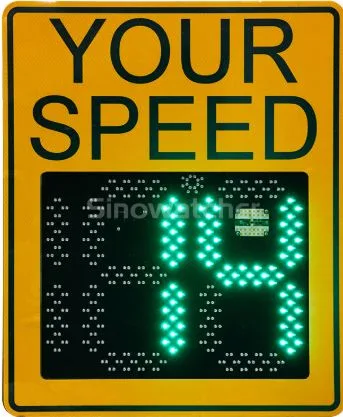
Efficient traffic management depends on reliable equipment and properly designed control systems. A traffic signal company can provide the products, technology, and services required to manage vehicle and pedestrian movements at intersections, crossings, highways, and other road environments.
Traffic signal systems have developed significantly with the introduction of LED lighting, electronic controllers, vehicle detection, pedestrian technology, and connected traffic management solutions.
Traffic Signal Design
Traffic signal projects often begin with system planning and design. Engineers and transportation professionals evaluate road layouts, traffic movements, pedestrian requirements, and intersection characteristics.
Based on these factors, a suitable signal configuration can be developed. The design may determine the number and location of signal heads, controller requirements, pedestrian equipment, poles, and detection systems.
A well-planned design helps ensure that the equipment works together as an integrated system.
Manufacturing and Supply
A traffic signal company may manufacture or supply a wide range of traffic control products. Common equipment includes vehicle signal heads, LED modules, pedestrian signals, countdown timers, controllers, cabinets, mounting brackets, and poles.
Suppliers may offer standard products as well as customized configurations for specific projects.
Before purchasing, customers should verify dimensions, electrical specifications, mounting requirements, environmental ratings, and compatibility with existing infrastructure.
LED Signal Technology
LED signals provide bright visual indications for drivers and pedestrians. They are widely used in modern traffic control systems and are available in different colors, sizes, and configurations.
LED modules can also be designed for different optical requirements. Clear visibility is important because traffic signals must remain recognizable during daylight, nighttime, and changing weather conditions.
Traffic Management Controllers
Controllers coordinate signal phases and timing. They can manage vehicle movements, pedestrian crossing intervals, and other programmed sequences.
Advanced systems may communicate with centralized traffic management platforms or use detection information to adjust signal operation.
The controller should be selected according to the complexity of the intersection and the requirements of the overall traffic management system.
Pedestrian Equipment
Pedestrian crossings require equipment that provides clear instructions. Pedestrian signal heads can display walking and stopping indications, while countdown timers can show the remaining crossing time.
Push buttons and accessible signaling features may also be incorporated depending on project requirements.
These systems can be connected to the intersection controller so that pedestrian requests are incorporated into the signal sequence.
Detection Systems
Traffic detection equipment can provide information about vehicles or other road users approaching an intersection. Depending on the system, detection may use cameras, radar, loops, or other technologies.
The information can help controllers manage traffic phases according to programmed rules and detected conditions.
A traffic signal company with experience in detection technology can help customers select equipment suitable for their road environment.
Installation Services
Some suppliers also provide installation and commissioning services. Installation can involve mounting signal heads, connecting controllers, installing cabinets, configuring equipment, and testing the complete system.
Proper commissioning is important because every component needs to operate according to the approved traffic-control plan.
Maintenance and Upgrades
Traffic signal equipment requires ongoing inspection and maintenance. LED modules, controllers, cabinets, wiring, poles, and mounting hardware can be checked for signs of damage or deterioration.
Older intersections may also benefit from upgrades. Replacing outdated signal technology with modern LED equipment, controllers, or detection systems can improve system functionality and simplify maintenance.
Selecting a Supplier
Organizations should consider the supplier’s product range, technical knowledge, manufacturing capabilities, installation experience, and after-sales support.
It is also important to confirm that products meet the standards and specifications required for the project location.
Clear documentation, warranty information, spare-part availability, and technical assistance can be valuable when selecting a long-term supplier.
Conclusion
Sinowatcher can support transportation projects through traffic signal design, equipment supply, installation, maintenance, and technology upgrades. Modern systems can incorporate LED signals, electronic controllers, pedestrian equipment, and vehicle detection.
By selecting equipment according to road conditions, traffic requirements, technical specifications, and applicable standards, transportation organizations can develop reliable systems for managing vehicle and pedestrian movements.