Choosing a Sports Sunglasses Supplier
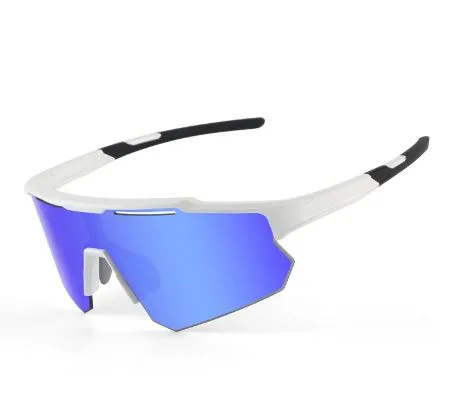
Finding the right sports sunglasses supplier is an important step for retailers, sports brands, wholesalers, and online businesses. Sports sunglasses are more than fashion accessories. They are designed for outdoor activities and often need features such as lightweight frames, UV protection, impact resistance, comfortable fitting, and specialized lenses.
A reliable supplier can help a business maintain product quality, control costs, and develop products that match customer expectations. Before placing a large order, buyers should carefully evaluate several important factors.
Understand Your Product Requirements
The first step is to determine what type of sports sunglasses you need. Different outdoor activities can require different designs.
Cycling sunglasses may require aerodynamic shapes and secure frames, while running sunglasses generally focus on lightweight construction and comfortable fitting. Fishing, hiking, golf, and other outdoor activities may require different lens technologies.
Having clear product requirements makes it easier to compare suppliers and avoid purchasing unsuitable inventory.
Check Product Quality
Quality is one of the most important factors when selecting a sports sunglasses supplier. Buyers should examine frame materials, lens quality, hinges, nose pads, and overall construction.
Common materials such as TR90 and polycarbonate are used in sports eyewear because they can provide lightweight and durable designs. Some suppliers also offer polarized, photochromic, mirrored, or UV-protection lenses.
Product samples should be requested before committing to a large order. Samples allow buyers to evaluate comfort, appearance, durability, and finishing.
Look for OEM and ODM Services
Businesses developing their own eyewear brand may benefit from OEM and ODM services. Many manufacturers allow customers to customize frames, lens colors, logos, packaging, and other product details.
For a new brand, customization can help create a recognizable product line. Some suppliers can also assist with product development and design.
A supplier offering flexible customization can therefore be useful for businesses that want to build a private-label sports eyewear collection.
Consider Minimum Order Quantities
Minimum order quantity, or MOQ, is another important consideration. Some suppliers may accept small orders for ready-stock products, while customized products may require larger quantities.
For example, supplier terms can vary significantly between stock and fully customized orders. Some manufacturers advertise low MOQs for ready-made products while requiring higher quantities for custom production.
Businesses should confirm MOQ requirements before requesting a quotation.
Evaluate Production Capacity
A supplier’s production capacity can become especially important when a business grows. A supplier should be able to maintain consistent production and quality when order volumes increase.
Buyers should ask about manufacturing facilities, production lines, quality-control procedures, and expected lead times.
Some established sports eyewear manufacturers provide large-scale production and OEM/ODM services for international customers.
Check Certifications and Compliance
Sports sunglasses may be sold in different international markets, so compliance requirements should be considered carefully.
Buyers should ask suppliers about relevant certifications and testing documentation for their target market. Depending on the supplier and product, certifications such as CE, ISO, BSCI, or other testing standards may be available.
Documentation should be verified rather than relying only on claims made in product descriptions.
Compare Pricing and Shipping
Price is important, but it should not be the only deciding factor. Compare product quality, customization, MOQ, packaging, shipping, warranty, and after-sales support along with the unit price.
Shipping costs can have a significant effect on the final cost of imported eyewear. Ask suppliers for clear quotations that explain product pricing, packaging, shipping terms, and production time.
Communication and Support
Good communication can make the purchasing process much easier. A professional supplier should answer questions clearly and provide accurate information about products, samples, production, and shipping.
Fast communication is particularly useful when developing customized products or resolving quality issues.
Conclusion
Choosing a sports sunglasses supplier requires careful research. Buyers should evaluate product quality, customization options, MOQ, production capacity, certifications, pricing, shipping, and customer support.
Requesting samples and discussing requirements before placing a bulk order can reduce potential problems. With proper research, businesses can find a supplier capable of providing sports sunglasses that fit their market and brand requirements.