Building Sharper Focus With a Daily Choline Supplement Routine
Mid-afternoon brain fog, a name that sits on the tip of the tongue, or the strange feeling of walking into a room and forgetting why are moments most working adults recognize. These small lapses often trace back to a nutrient that gets far less airtime than magnesium or vitamin D: choline. Every neuron in the brain relies on choline to build acetylcholine, the messenger behind memory recall, mood regulation, and steady concentration. Diets high in convenience foods and low in eggs, liver, or cruciferous vegetables leave many adults running below the recommended intake without ever knowing it. This guide walks through how a well-chosen choline supplement fits into a real daily schedule, who benefits most from adding one, and the practical habits that turn a capsule into meaningful cognitive support. The tone stays grounded, no hype, just what actually works.
Understanding What Choline Actually Does
Choline is often called an essential nutrient because the body produces only a small fraction of what it needs. The rest has to come from food or a targeted choline supplement. Once absorbed, choline supports three major systems: it builds phosphatidylcholine for cell membranes, produces acetylcholine for nerve signaling, and contributes methyl groups that keep liver metabolism and DNA repair running smoothly. Adults juggling long hours, students preparing for high-stakes exams, and older individuals hoping to protect memory all benefit from steady choline intake because these systems draw on it every single day, not just when the brain is under pressure.
Signs Intake May Be Too Low
Low choline rarely announces itself dramatically. Instead it shows up as slower recall, occasional muscle fatigue after normal workouts, or a foggy feeling that coffee cannot quite clear. People who follow strict vegetarian or vegan diets, women who have gone through pregnancy without prenatal support, and adults over fifty often sit near the lower end of the intake range. Recognizing the pattern early makes it far easier to correct with dietary changes and a modest daily supplement rather than waiting for the problem to become entrenched.
Choosing a Form That Fits the Body
Not every choline product behaves the same way once it reaches the digestive tract. Choline bitartrate is the most widely available and least expensive, offering solid general support at a friendly price point. Alpha-GPC crosses the blood-brain barrier readily, which makes it a favorite among people who want noticeable mental clarity within a few hours of dosing. CDP-choline, sometimes labeled citicoline, delivers both choline and cytidine, giving it a double benefit for neuronal membrane health. Selecting the right form comes down to the primary goal: general daily coverage, sharp acute focus, or longer-term neuron support during periods of high mental demand.
Timing and Pairing With Meals
Choline absorbs well with or without food, but pairing it with a breakfast that includes healthy fats such as avocado or olive oil can smooth the release into the bloodstream. Morning dosing tends to align with the natural rhythm of acetylcholine production, giving the brain fresh raw material right as demand ramps up. Split dosing works well for people who feel a mental dip in the late afternoon, since a second smaller serving with lunch can extend clarity into the evening without disturbing sleep.
Practical Habits That Multiply the Effect
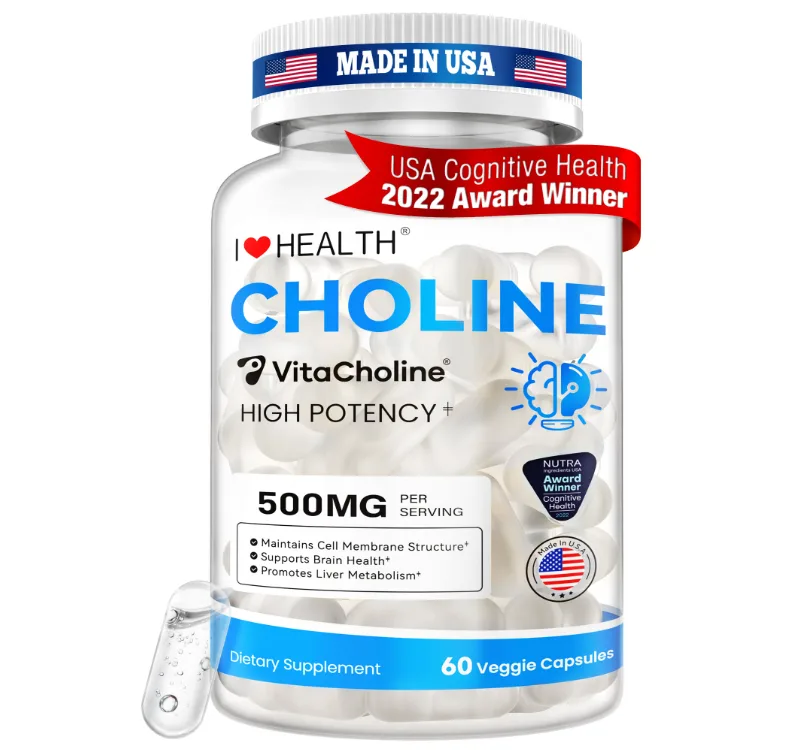
Supplements work best as part of a routine, not as a solo strategy. Regular aerobic exercise increases blood flow to the brain and helps clear metabolic waste, giving choline better conditions to work in. Sleeping seven to nine hours per night is when the brain consolidates memories that rely on acetylcholine, and skimping on sleep undoes much of the benefit a supplement can provide. Reducing alcohol matters too, since heavy drinking depletes choline stores and forces the liver to compete with the brain for available reserves. iLoveHealth customers often mention that stacking their capsule with a fixed morning walk turned a passive habit into something they could actually feel.
Foods That Complement a Supplement
Whole eggs remain the most efficient food source, with a single large egg providing roughly a quarter of the daily target. Beef liver, salmon, chickpeas, and Brussels sprouts round out a rotation that keeps intake steady without relying entirely on capsules. Adding two servings of choline-rich food most days of the week allows the supplement to top up rather than carry the full load, which is a more sustainable pattern over months and years.
Realistic Expectations Over the First Few Months
Early wins usually show up as small quality-of-life shifts rather than dramatic changes. Within the first two weeks, many users notice a slightly easier time transitioning between tasks and less mental fatigue late in the day. By four to six weeks, memory recall on ordinary tasks such as remembering names, appointments, and grocery lists often feels more reliable. Longer term, the benefits shift toward protection: supporting brain aging, cushioning against periods of poor sleep, and helping recover from mentally demanding stretches at work. Tracking progress in a short weekly note makes these gains easier to see, since the improvements are steady rather than sudden.
Safety and Sensible Limits
Choline has a wide safety margin at recommended doses, but very high intakes can cause a fishy body odor, low blood pressure, or mild digestive upset. Staying within the upper intake level of 3,500 milligrams per day for adults keeps risk minimal, and most quality supplements deliver amounts well below that ceiling. People taking medications for depression, cognitive concerns, or muscular conditions should check in with a physician before adding a new supplement because acetylcholine pathways can interact with several prescription drugs. Pregnant and breastfeeding individuals often benefit from higher choline intake, but the plan should be shaped with a healthcare provider rather than guessed at.
Reading a Product Label With Confidence
Look for the exact form of choline listed on the label, the milligrams per serving, and independent testing certification. Avoid products that hide behind proprietary blends without disclosing individual amounts. A short, clean ingredient list without artificial colors or unnecessary fillers usually signals a brand that takes formulation seriously. Checking the batch date and expiration window also matters because oxidized supplements lose potency long before they cause any obvious problem.
Turning Steady Habits Into Sharper Thinking
Cognitive support does not come from a single miracle capsule. It emerges from the layered effect of nutrition, movement, sleep, and thoughtful supplementation working in the same direction. Choline sits at the center of this stack because so many mental functions depend on it and because modern diets consistently fall short of the ideal amount. Choosing the right form, taking it at a helpful time of day, and pairing it with real food creates a foundation that keeps memory, focus, and mood on steadier ground. Progress is quiet and cumulative rather than instant, but weeks turn into months of clearer thinking, easier recall, and less afternoon fog. That kind of everyday clarity is what makes the routine worth building and keeping.