5 Reasons Why Truck Accident Claims Are More Complicated
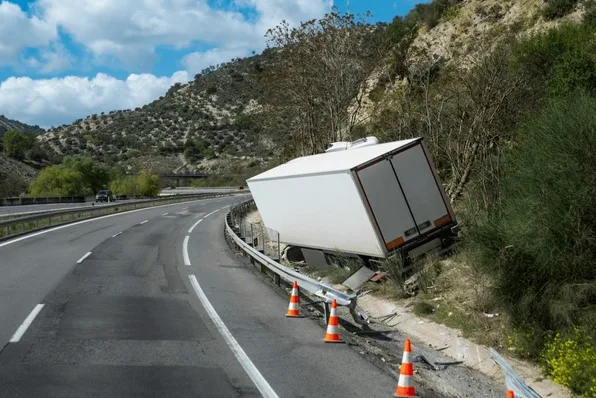
Truck accident claims are often more complicated than ordinary car accident claims because they can involve multiple responsible parties, federal trucking rules, specialized evidence, difficult road conditions, and serious injuries. Determining what happened may require looking beyond the truck driver to the trucking company, cargo loader, maintenance provider, vehicle owner, and others.
Bozeman sits in southwestern Montana and is part of the Gallatin Valley. The city is near major travel and freight routes, with traffic that can include commercial vehicles traveling between states. Winter weather, mountain roads, snow, ice, and changing road conditions can also affect how a truck crash is investigated.
These factors can become particularly important in a Bozeman truck accident when determining what caused the collision and who may be responsible. Here are five reasons why truck accident claims are more complicated.
1. Several Parties May Share Responsibility
A truck crash may involve more than the driver. Potentially responsible parties can include:
- The trucking company or motor carrier
- The truck or trailer owner
- A leasing company
- A maintenance provider
- A cargo loader or shipper
- A manufacturer or parts supplier
- Another driver
- A road contractor or government entity
For example, a driver may have been distracted while the carrier failed to supervise properly, a loader improperly secured cargo, or a repair provider failed to address defective brakes.
Montana’s comparative-fault law, Mont. Code Ann. § 27-1-702, allows responsibility to be allocated based on each party’s contribution to an injury. A claimant’s recovery may be reduced according to the claimant’s own percentage of fault. That makes identifying every potentially responsible party important.
2. Federal Trucking Rules Can Apply
Many commercial trucks traveling through Montana operate in interstate commerce and may be subject to Federal Motor Carrier Safety Regulations. These rules can cover:
- Driver qualifications
- Hours of service
- Electronic logging devices
- Vehicle inspections
- Maintenance
- Cargo securement
- Drug and alcohol testing
- Dispatch and recordkeeping
For covered property-carrying drivers, 49 C.F.R. § 395.3 limits driving time and generally prohibits driving beyond the applicable work period.
3. Important Evidence May Disappear
Trucking companies, insurers, and repair providers may control evidence that is important to a claim. This can include:
- Electronic logging-device data
- GPS and dispatch records
- Dashcam footage
- Driver qualification files
- Maintenance records
- Drug and alcohol testing records
- Cargo documents
- Weigh-station records
- Driver communications
Some information may only be retained for a limited period. A truck may also be repaired, moved, or sold after a crash.
4. Weather and Road Conditions Can Complicate Fault
Snow, ice, freezing temperatures, reduced visibility, and rapidly changing conditions can affect truck crashes. Investigators may examine whether the driver adjusted speed, following distance, and vehicle control to match the conditions.
They may also consider:
- Weather reports
- Road temperatures
- Snow and ice
- Visibility
- Tire condition
- Traction equipment
- Road treatment and plowing
- Truck speed
- Following distance
Bad weather does not automatically excuse unsafe driving. However, conditions may also affect other motorists and contribute to how the collision occurred.
5. Injuries and Damages May Be Substantial
Commercial trucks are considerably larger and heavier than passenger vehicles, so collisions can produce severe injuries. A claim may involve:
- Emergency treatment and surgery
- Rehabilitation and future medical care
- Lost wages
- Reduced earning capacity
- Permanent impairment
- Pain and suffering
- Emotional distress
- Property damage
- Wrongful-death damages
The full extent of losses may not be obvious immediately. Some injuries develop gradually, while future medical or employment consequences may require additional evaluation.
Key Takeaways
- Truck crashes can involve several responsible parties.
- Federal trucking rules may affect the investigation.
- Electronic and company records can be important evidence.
- Weather and road conditions may complicate fault.
- Commercial trucks can cause substantial injuries.
- A Montana comparative fault can reduce recovery.
- Preserving evidence early can make a major difference.