What Shippers Can Do When Blank Sailings and Rolled Cargo Disrupt Delivery
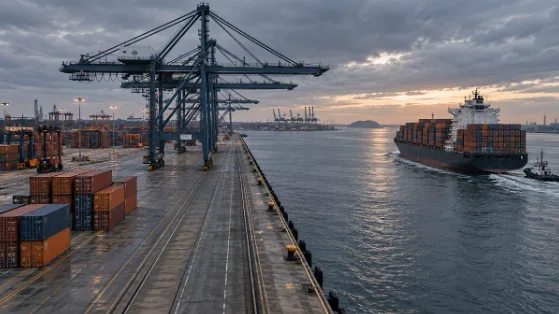
A blank sailing occurs when an ocean carrier cancels a voyage or skips a port call. Rolled cargo misses its planned vessel and moves to a later departure. Either event delays delivery. A blank sailing can affect every booking on that voyage.
Confirm the container location, booking status, and recovery options before choosing to wait, rebook, or change transport modes.
How Does Blank Sailing Differ from Rolled Cargo?
The difference is whether the disruption affects the vessel service or one shipment’s loading plan.
Blank Sailing
A blank sailing, also called a void sailing, changes the carrier’s schedule. Carriers may cancel departures or omit ports to adjust capacity, recover schedules, or avoid congestion.
Rolled Cargo
A cargo rollover occurs when a carrier leaves a container off its scheduled vessel. Overbooking, weight limits, missed cutoffs, customs holds, or late documents can cause a rollover. The vessel may still depart on time.
Service Impact Versus Booking Delay
A blank sailing often rolls cargo because the carrier must move bookings to another departure. Cargo can also roll when space or weight limits prevent loading.
| Comparison Point | Blank Sailing | Rolled Cargo |
|---|---|---|
| What changes? | The carrier cancels a voyage or port call. | A shipment misses its planned vessel. |
| Who faces delays? | Bookings on the canceled voyage or omitted call. | Containers the carrier leaves behind. |
| Does the vessel sail? | The carrier cancels the voyage, or the ship skips one port. | The vessel departs without the affected cargo. |
| What should you check? | Replacement schedule and port omission notice. | Non-loading reason and confirmed replacement space. |
What Should You Confirm First?
Ask the freight forwarder or carrier booking desk for shipment-specific records as soon as the status changes.
Cargo Location and Delay Cause
Confirm whether the container is at the factory, origin terminal, or transshipment hub. Check whether it entered the terminal, cleared export customs, or has a documentation hold.
Replacement Booking Details
Request the replacement vessel, voyage number, revised Estimated Time of Departure (ETD), and Estimated Time of Arrival (ETA). A suggested departure is not confirmed space. Ask for the new booking notice.
Detention, Demurrage, and Free Time
Check for demurrage, storage, bill of lading amendment, or container transfer charges. Record when free time expires. If the carrier caused the delay, request any fee waiver in writing rather than assuming the charge will disappear.
Communication with Your Forwarder
Providers of freight forwarding services can check records, pursue replacement space, and request fee reviews. Decide who will issue the next update and when, so buyers receive confirmed milestones instead of estimates.
Should You Wait or Change the Shipping Plan?
Compare the revised delivery date and total landed cost for each workable recovery option.
Waiting for the Replacement Sailing
Waiting may be reasonable when the new arrival date fits your inventory plan and storage costs remain manageable. Check destination congestion, drayage appointments, and connecting rail service before accepting the schedule.
Air Freight for Urgent Stock
If a stockout could stop production or trigger retail penalties, price a partial air shipment. First confirm whether customs and terminal rules allow cargo retrieval or devanning. Removing freight from a bonded terminal may require document changes, gate approval, and extra drayage.
Alternative Ocean Routes or Carriers
Another carrier or nearby loading port may recover time. Confirm vessel space and equipment before canceling the original booking. Include extra trucking, terminal cutoffs, cancellation charges, and document refiling in the comparison.
For wholesale orders, Alibaba shipping costs can help identify common freight and destination charges. Use live quotes for the affected shipment, then compare the recovery cost with the expected cost of a stockout or production delay.
How to Reduce Future Rollover Risk
Shippers cannot control vessel schedules, but they can reduce avoidable booking and terminal problems.
Book Around Verified Cargo Readiness
Set booking lead times around the supplier’s production date, trade lane demand, and peak season. Early booking provides more time for documents, but the carrier still controls final vessel allocation.
Meet Documentation and Weight Cutoffs
Track container gate-in, Shipping Instructions (SI), Verified Gross Mass (VGM), and export clearance as separate deadlines. Earlier submission leaves time to correct document or weight discrepancies.
Match Drayage to the Terminal Gate Window
Schedule trucking around the terminal’s earliest receiving date and gate cutoff. Arriving too early can add chassis costs, while a late gate-in can roll the container.
Build a Route-Specific Buffer
Base inventory buffers on actual transit variation, transshipment exposure, and sailing frequency. A fixed buffer copied across every route may hide the lanes with the greatest rollover risk.
Respond with Confirmed Facts and Costed Options
When a carrier cancels a sailing or rolls cargo, verify the location, cause, replacement booking, and possible charges. Compare waiting costs with air freight or another ocean route. Update buyers with confirmed dates and use the result to improve the next booking.