Clear Views, Better Choices: Finding the Right Professional for Your Window Project
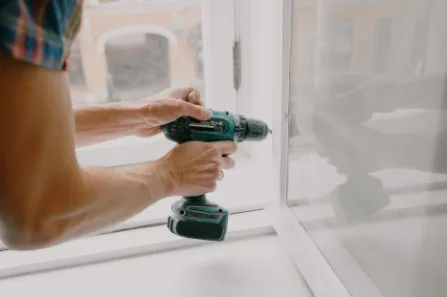
Choosing someone to work on your windows is about more than comparing prices and picking an installer. In Grand Rapids, weather makes installation quality particularly important. Long-term climate normals show average annual snowfall of about 77.6 inches, meaning windows regularly face cold temperatures, moisture, and changing seasonal conditions. A carefully completed project can help protect against drafts and water intrusion, while poor workmanship may create problems that become noticeable only after difficult weather arrives.
Look Beyond the Number at the Bottom of the Quote
It is tempting to collect several estimates and immediately focus on the lowest price. The problem is that two quotes can represent very different projects.
One estimate might include full-frame replacement, insulation, trim work, disposal, and cleanup. Another might cover only insert installation. Without understanding the scope, comparing the final numbers tells you very little.
Ask for a written breakdown covering materials, labor, preparation, cleanup, and possible additional work. You should also know whether damaged framing discovered during installation would be included or treated as an additional expense.
Clear estimates make it easier to compare contractors on equal terms and reduce the chance of unexpected costs appearing halfway through the project.
Find Experience That Matches the Project
If you’re comparing the best window contractors in Grand Rapids, consider more than availability and price. Look for professionals who can explain the installation approach, assess the condition of existing openings, discuss suitable window options, and provide clear warranty information. Relevant experience becomes especially important when a project involves older frames, hidden moisture damage, or openings that may require additional preparation.
Credentials deserve attention as well. Ask about licensing requirements and appropriate insurance coverage before work begins.
A professional should also be comfortable explaining what happens if hidden damage appears after an old window is removed. Discovering deteriorated wood or another structural problem should lead to a clear conversation, not an unexplained addition to the final invoice.
Read Reviews for Patterns, Not Stars
A perfect-looking rating can be reassuring, but the written experiences behind that rating are usually more useful.
Look for repeated comments about punctuality, cleanliness, communication, installation quality, and how problems were handled after the project was completed. A detailed review explaining what happened during an installation can tell you more than dozens of one-line ratings.
Negative reviews deserve context too. Almost every established contractor eventually encounters an unhappy customer. What matters is whether complaints repeatedly involve the same problem and whether the business responds professionally.
Reviews should support your research rather than make the entire decision for you.
Make the Consultation a Two-Way Conversation
A consultation should help you understand both the windows and the person who may install them.
Discuss what you want to improve. Draft reduction, easier maintenance, appearance, noise control, and energy performance can all influence which products and installation methods make sense.
Ask how measurements are taken, whether the existing frames are suitable for inserts, and when full-frame replacement would be preferable. Replacement inserts generally use existing frames, while full-frame replacement becomes more relevant when the original frame itself needs to be removed.
You should leave the conversation understanding what is being proposed and why. If the explanation remains confusing after reasonable questions, getting another opinion can be worthwhile.
Understand What Proper Installation Involves
Even an excellent window can perform poorly when installation is rushed.
A proper project involves more than placing a new unit into an opening. Measurements must be accurate, the window needs to sit correctly, and gaps around it require appropriate insulation and sealing.
Watching how a replacement window is installed can provide useful context before discussing the project with a contractor. The process includes preparing the opening, insulating gaps, securing the window, applying sealant, and completing the surrounding trim.
You do not need to supervise every screw. Understanding the basic process simply makes it easier to ask informed questions and recognize when an estimate seems to leave out important work.
Read the Warranty Before the Work Begins
“Lifetime warranty” sounds reassuring until you discover that different parts of the project may have completely different coverage.
Product warranties can cover components such as glass, frames, or hardware, while workmanship coverage addresses installation-related problems. Ask for both in writing.
Find out whether coverage can transfer to a future owner and what happens if a seal fails or water begins entering around the opening. You should also know who handles a warranty claim—the installer, manufacturer, or another party.
This is another reason contractor selection matters. Window-installation guidance suggests confirming that installers provide appropriate material and labor warranty information before hiring them.
Treat High-Pressure Sales Tactics With Caution
A major home project deserves more consideration than a “sign today” discount allows.
Be cautious when someone pressures you to make an immediate decision, avoids providing a written estimate, or gives vague answers about materials and installation methods. Unusually low prices also deserve closer examination.
Professionalism often appears in ordinary details: returning calls, arriving when promised, explaining changes, protecting the work area, and documenting what is included.
Those habits do not guarantee a perfect project, but they can reveal how seriously someone approaches the work before you commit financially.
Think About Value After Installation Day
The best contractor is not necessarily the one with the lowest estimate or the longest list of upgrades.
Think instead about what you will be left with after the crew leaves. Windows should operate properly, fit securely, resist unwanted air and water intrusion, and suit the needs of the home.
Before signing, review the exact window specifications, installation method, payment schedule, estimated timeline, cleanup responsibilities, and warranty terms. If something is unclear, ask for clarification in writing.
Good window work can serve a home for years, which makes choosing the installer as important as choosing the product itself. A little extra research before the project begins can be far easier than dealing with drafts, leaks, or installation problems afterward.