Ford Performance Features Worth Exploring
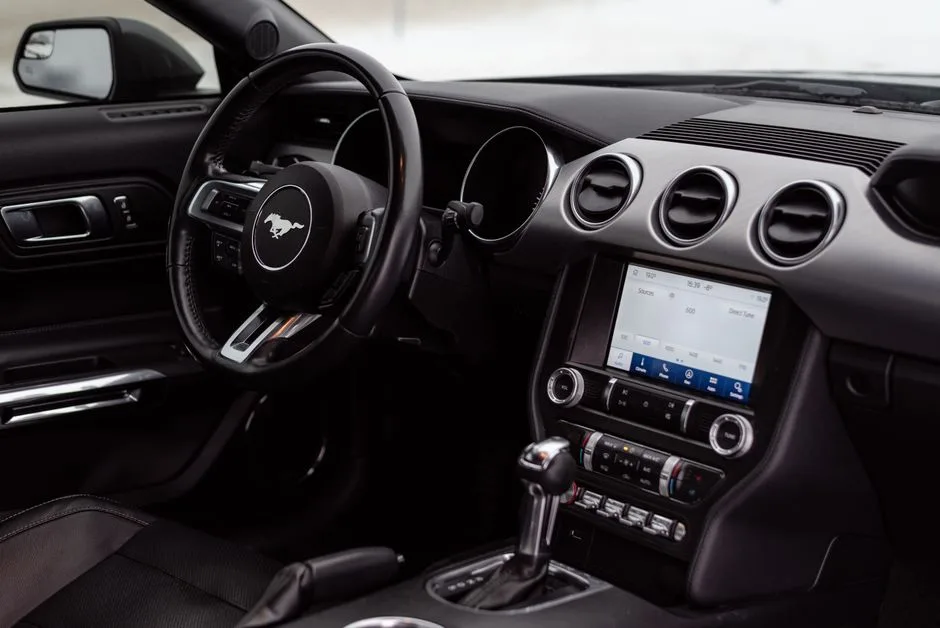
Performance can mean much more than a powerful engine. Modern Ford vehicles combine powertrains, suspension systems, drive modes, traction management, steering technology, and specialized hardware to create different driving experiences. Whether the goal is responsive street driving, confident highway travel, towing, or off-road exploration, there are several technologies worth understanding when comparing Ford models. Drivers researching their options through a best Ford dealership in Texas can benefit from looking beyond horsepower and learning how different performance features work together. From Mustang sports cars to Raptor trucks and SUVs, Ford’s performance lineup demonstrates how engineering can be adapted to different driving environments.
Powerful Engine Options
The engine is one of the most obvious components of vehicle performance, but its characteristics matter just as much as its horsepower figure. Ford offers a variety of engines designed for different applications, ranging from turbocharged EcoBoost powertrains to high-output V8 engines.
The Mustang GT, for example, uses a 5.0-liter V8, while the Mustang Dark Horse takes the naturally aspirated V8 concept further with a performance-focused powertrain. Ford also offers Raptor models with engines developed specifically for demanding off-road applications.
Turbocharging can provide another approach to performance by helping an engine produce strong power and torque from a relatively compact displacement. For everyday drivers, this can contribute to useful acceleration when merging onto highways or passing slower traffic.
Selectable Drive Modes
One of the most useful performance technologies in modern Ford vehicles is selectable drive modes. Rather than relying on one fixed calibration, certain Ford models allow drivers to adjust multiple vehicle systems according to driving conditions.
Depending on the model, available settings can include Normal, Eco, Sport, Tow/Haul, Slippery, Mud and Ruts, Rock Crawl, and Baja. These modes can modify systems such as throttle response, transmission behavior, traction control, and other vehicle characteristics.
The benefit is versatility. A driver can use a comfortable setting for routine commuting and select a more responsive setting when conditions or driving preferences change.
Sport-Tuned Suspension
Engine power is only part of the performance equation. A vehicle also needs a suspension system capable of controlling body movement and maintaining contact with the road or trail.
Performance-oriented Ford models can use specially tuned suspension systems designed to improve handling and control. The Mustang lineup, for example, offers performance-focused suspension technologies, while Raptor models use specialized systems intended for high-speed off-road driving.
Ford’s Bronco Raptor features the HOSS 4.0 high-performance off-road stability suspension system with FOX Live Valve semi-active dampers. This technology is designed to respond to changing terrain and support controlled movement over demanding surfaces.
Raptor Off-Road Technology
For drivers interested in off-road performance, Ford’s Raptor family deserves particular attention. The Raptor name is used on several Ford trucks and SUVs, including the Bronco Raptor, Ranger Raptor, and F-150 Raptor.
These vehicles are built around more than simply increased engine output. Suspension travel, ground clearance, tires, traction systems, drive modes, and underbody protection all contribute to their intended capabilities.
The 2026 Bronco Raptor, for example, produces 418 horsepower and offers seven G.O.A.T. Modes. These modes include settings for Normal, Eco, Sport, Slippery, Off-Road, Rock Crawl, and Baja driving.
This approach allows the vehicle’s electronic systems to be adjusted for different surfaces rather than treating every road or trail in exactly the same way.
FOX Performance Shocks
Specialized shock absorbers are another important performance feature. They help control suspension movement and can have a major influence on how a vehicle behaves over rough terrain.
The 2026 F-150 Raptor offers available FOX Dual-Live internal bypass shocks with electronically controlled technology. Ford describes the system as providing position-sensitive damping that can react to changing terrain and help manage heat during extended desert driving.
This type of suspension technology demonstrates why performance cannot be measured by horsepower alone. A powerful vehicle needs suspension components capable of managing that performance effectively.
Performance Tires and Wheels
Tires provide the connection between the vehicle and the driving surface. Even a powerful engine cannot deliver its full potential if the tires are poorly matched to the conditions.
Ford’s performance models use different tire configurations according to their intended purpose. The F-150 Raptor, for instance, can be equipped with 37-inch all-terrain tires designed to provide additional traction and clearance when traveling over difficult terrain.
For sports cars, performance tires can instead prioritize road grip, steering response, and cornering ability. This illustrates why tire design should be considered alongside suspension and powertrain specifications when comparing performance vehicles.
Steering and Handling Technology
Responsive steering can make a vehicle feel more connected to the road. Performance-oriented Ford models can use selectable steering settings that change the amount of steering assistance and overall feel.
Ford documentation explains that certain drive modes can coordinate electronic power-assisted steering with traction control, stability control, throttle response, transmission behavior, and adaptive dampers.
This integration allows several systems to work together instead of operating independently. The result can be a more consistent driving experience when switching between everyday and performance-oriented settings.
Track-Focused Features
Some Ford performance vehicles include technologies intended specifically for controlled track environments. Depending on the model, these can include Track and Drag Strip modes, performance suspension settings, launch control, and specialized transmission calibrations.
Ford documentation notes that certain performance drive modes alter throttle response, transmission behavior, suspension settings, steering characteristics, and traction-control strategies. Some of these settings are intended for closed-course use rather than public roads.
For most drivers, the value of these features is less about using every setting regularly and more about understanding how a performance-oriented vehicle has been engineered.
Performance Meets Everyday Driving
A performance vehicle does not necessarily have to be impractical. Many modern Ford performance models combine performance equipment with technology and features designed for regular use.
For example, an SUV can offer strong acceleration while still providing passenger and cargo space. A performance pickup can combine off-road suspension and tires with towing, hauling, and work-oriented features. The F-150 Raptor includes features such as Pro Power Onboard, cargo-box tie-downs, skid plates, and a high-strength steel frame alongside its performance equipment.
This combination makes performance technology relevant even for drivers who are not visiting a racetrack or tackling difficult trails every weekend.
Choosing Performance Features That Fit Your Needs
The most useful performance features depend on how a vehicle will actually be driven. Someone who spends most of their time commuting may place greater value on smooth acceleration, responsive steering, and selectable drive modes. An outdoor enthusiast may prioritize ground clearance, specialized suspension, all-terrain tires, and terrain-specific settings.
Truck owners may need to consider towing capability, traction management, suspension durability, and power delivery. Sports-car shoppers may instead focus on engine response, braking, steering, aerodynamics, and track-oriented drive modes.
Looking at the complete performance package provides a more useful picture than comparing horsepower figures alone.
Conclusion
Ford’s performance technology covers a broad range of driving needs. Powerful engines provide the foundation, while selectable drive modes, specialized suspension systems, performance tires, steering technology, and terrain-management features help determine how that power is delivered.
Models such as the Mustang demonstrate Ford’s road and track performance approach, while the Bronco Raptor, Ranger Raptor, and F-150 Raptor apply performance engineering to demanding off-road environments.
For shoppers comparing Ford vehicles, understanding these technologies can make it easier to identify the features that genuinely match their driving habits. Whether the priority is responsive street performance, long-distance confidence, towing capability, or off-road control, Ford’s lineup provides several different ways to approach performance.