Texas Riding Destinations for Powersports Enthusiasts
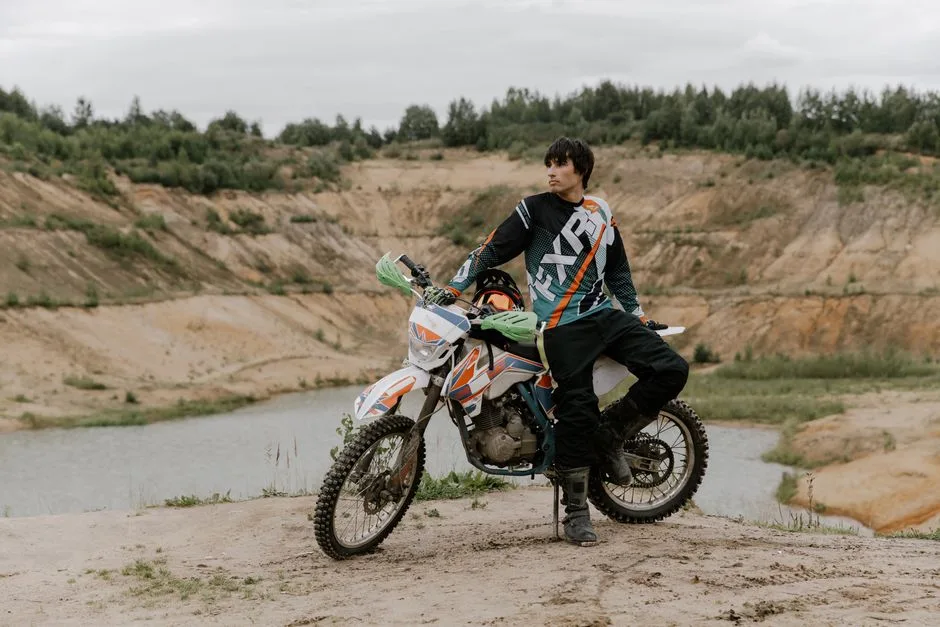
Texas offers an impressive variety of landscapes for powersports enthusiasts, from wooded East Texas trails to open terrain and rugged desert scenery farther west. Whether you enjoy dirt bikes, ATVs, recreational off-highway vehicles, or other capable machines, the state has designated areas where riders can experience different types of terrain. For enthusiasts researching equipment, routes, and riding opportunities, powersports Texas can be a useful starting point when planning future adventures. Before heading out, riders should always verify current trail rules, vehicle requirements, operating conditions, and permits because regulations can vary between locations.
Barnwell Mountain Recreational Area
Located near Gilmer in East Texas, Barnwell Mountain Recreational Area is one of the state’s established OHV destinations. Texas Parks and Wildlife Department lists the area for ATVs, motorcycles, recreational off-highway vehicles, and full-sized OHVs.
The East Texas setting provides a different riding environment from the dry landscapes found in western parts of the state. Riders can encounter wooded terrain, changing elevations, and technical sections that make vehicle control particularly important.
Before visiting, riders should confirm the current operating schedule, trail classifications, and vehicle requirements. Different trails may have different levels of difficulty, so choosing routes appropriate for both the machine and the rider’s experience is essential.
Eisenhower State Park
For riders interested in a more structured trail experience, Eisenhower State Park near Lake Texoma offers the Ironweed OHV Trail System. The park currently lists 2.5 miles of OHV trails with varying levels of difficulty, including a half-mile Pee Wee Practice Area for beginning riders.
The trail system includes sections ranging from easier terrain to moderate and challenging areas. This makes the destination interesting for groups with different experience levels.
There are also specific requirements. Riders need a DOT-approved helmet, eye protection, a valid Texas OHV decal, and appropriate safety certification. The park also limits OHVs using these trails to 50 inches in width.
Sam Houston National Forest
Sam Houston National Forest provides another distinctive riding opportunity in East Texas. Texas Parks and Wildlife Department identifies the forest as an OHV venue for ATVs and motorcycles, but motorized recreation is restricted to designated roads and trails.
One particularly notable feature is the Sam Houston Multiple-Use Trail, which extends for approximately 85 miles. Riders must follow the applicable Motor Vehicle Use Map rather than assuming that any forest road or open area is available for motorized travel.
This type of destination is well suited to riders who enjoy longer trail outings and changing forest environments. Preparation is important because conditions, route designations, and seasonal restrictions can affect where a vehicle may legally travel.
Northwest OHV Park
North Texas riders have another option at Northwest OHV Park near Bridgeport. TPWD lists the venue for ATVs, motorcycles, recreational off-highway vehicles, and full-sized OHVs.
Its location makes it an accessible choice for riders looking for an organized off-road destination in the northern part of the state. As with any OHV facility, riders should review current rules and available trails before arriving.
A useful approach is to match the machine to the terrain. A lightweight dirt bike may be appropriate for narrow motorcycle trails, while a larger recreational vehicle may require wider routes. Checking vehicle classifications ahead of time helps prevent surprises at the trailhead.
Lake Meredith National Recreation Area
The Texas Panhandle offers a very different riding environment. Lake Meredith National Recreation Area includes designated OHV areas such as Blue Creek and Rosita Flats, where TPWD lists ATVs, motorcycles, recreational off-highway vehicles, full-sized OHVs, dune buggies, and sand rails among the permitted vehicle types.
The area’s open landscapes can provide a dramatic contrast to the wooded trails of East Texas. Riders should nevertheless remain attentive to changing weather and surface conditions.
Because open terrain can make distances difficult to judge, carrying adequate water, communicating with riding companions, and planning the route before departure are sensible precautions.
West Texas Riding Opportunities
West Texas offers several OHV destinations, including Escondido Draw Recreational Area near Ozona, Moss Creek Lake ATV Park near Big Spring, San Felipe Park near Fabens, and Twin Buttes OHV Area near San Angelo. TPWD lists different vehicle categories for each location, so riders should check the specific venue before traveling.
These areas can appeal to enthusiasts who want scenery and terrain that differ substantially from the forests and lakes of eastern Texas. The drier environment also makes preparation especially important.
Riders should carry sufficient water, protect themselves from prolonged sun exposure, and check weather conditions before starting. Tire selection and vehicle setup can also become more important when riding over rocky, sandy, or uneven surfaces.
Big Bend and Four-Wheel-Drive Exploration
Big Bend Ranch State Park offers another type of powersports-related adventure. The park contains extensive multiuse trails and approximately 70 miles of unmaintained dirt roads intended for high-clearance four-wheel-drive vehicles.
The dramatic landscape makes this region particularly appealing for people who enjoy combining vehicle exploration with camping, photography, hiking, and sightseeing. However, the environment demands careful preparation.
Texas Parks and Wildlife warns that summer temperatures can become extreme, with temperatures exceeding 100 degrees by late morning during warm months. Visitors are advised to carry plenty of water and avoid exposed trail activity during the hottest parts of the afternoon.
Preparing for a Texas Riding Trip
A successful powersports trip begins well before reaching the trailhead. Start by confirming that the chosen vehicle is permitted at the destination. TPWD maintains a statewide list of OHV venues and identifies the vehicle types allowed at each location.
Texas also requires an OHV decal at designated OHV venues on public land and certain private venues that have received qualifying OHV grant funding. The requirement can apply even to street-legal vehicles when they are being used for trail riding on applicable public lands.
Basic preparation should include inspecting tires, brakes, controls, fluids, battery condition, and protective equipment. Riders should also carry water, communication equipment, basic tools, and any supplies appropriate for the length and remoteness of the trip.
Ride Responsibly and Respect Trail Rules
Responsible riding helps preserve Texas riding areas for future visitors. TPWD recommends staying on designated trails, minimizing environmental impact, respecting other users, preparing before the trip, and leaving recreational areas in good condition.
Protective equipment is also essential. TPWD specifically recommends helmets, eye protection, and appropriate footwear, while its responsible-use guidance emphasizes knowing the limitations of both the rider and the vehicle.
Riders should never assume that a familiar vehicle can travel anywhere. Trail designations, weather conditions, seasonal restrictions, and local rules can change the available riding options.
Conclusion
Texas provides a broad selection of riding environments for powersports enthusiasts, from the wooded trails around Barnwell Mountain and Sam Houston National Forest to the open landscapes of the Panhandle and rugged scenery of West Texas. Each destination offers a different experience, making it possible to plan trips around preferred terrain and vehicle type.
The key to enjoying these destinations is preparation. Verify current rules, confirm that your vehicle is permitted, obtain required decals or permits, wear appropriate protective equipment, and stay on designated routes. With responsible planning and respect for the environment, Texas’ diverse riding areas can provide memorable outdoor experiences for powersports enthusiasts throughout the year.