Why Pigmentation Treatment Plans in South Korea Are Moving Beyond One-Size-Fits-All Laser Toning
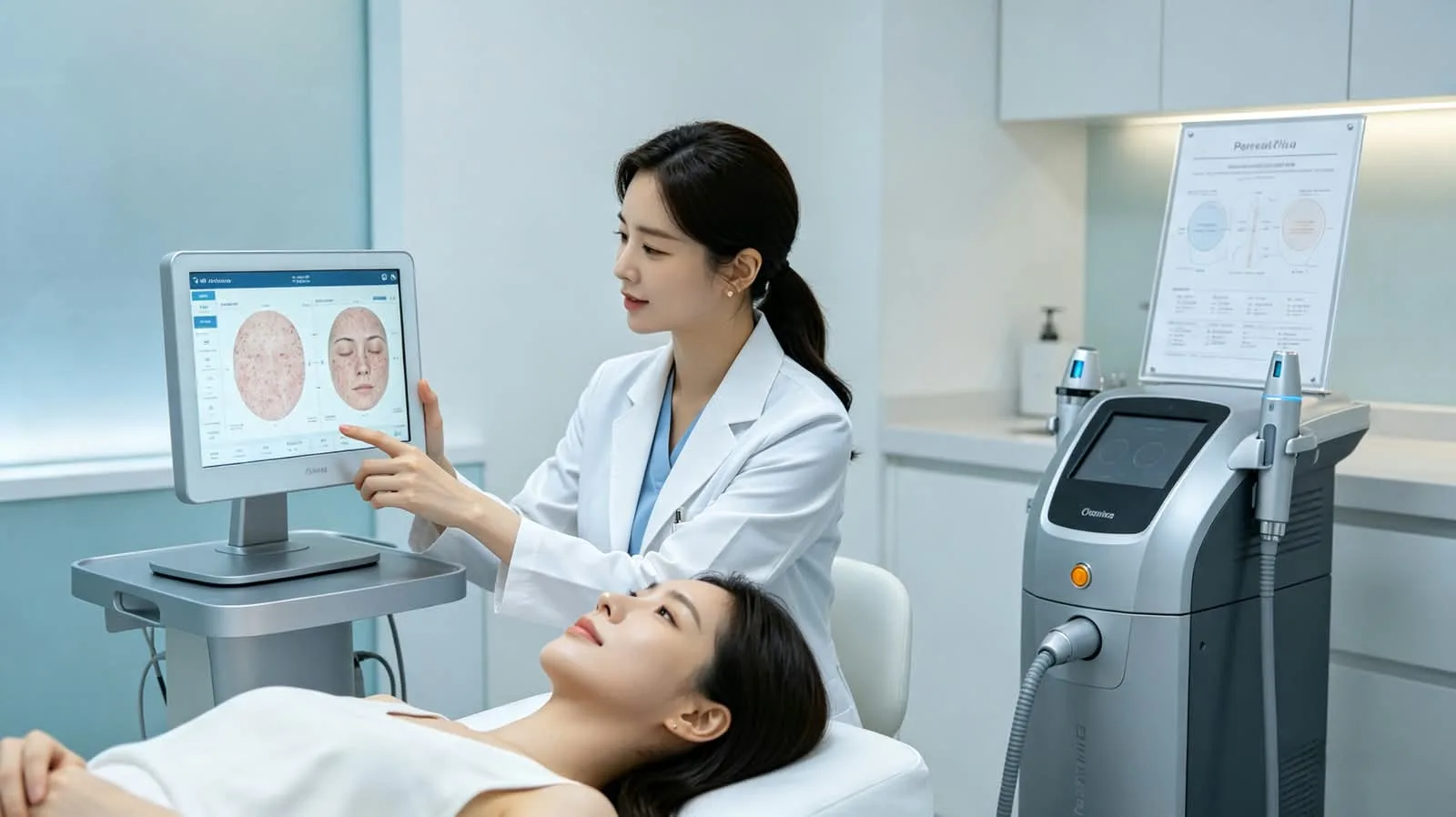
A closer look at how treatment goals, pigment type, skin response, and downtime are shaping more individualized decisions.
Pigmentation concerns are among the most common reasons people visit aesthetic and dermatology clinics in South Korea. Melasma, freckles, post-acne marks and uneven tone can look similar at first glance, but they do not always respond to the same treatment strategy. That is one reason the conversation around laser toning is changing. Instead of asking only which device is newest or fastest, patients are increasingly being encouraged to compare the type of pigment, the depth of the discoloration, the expected number of sessions and how their skin reacts between treatments.
This shift matters because pigmentation treatment is rarely a single-session decision. Some discoloration is superficial and sharply defined, while other pigment is deeper, more diffuse or influenced by inflammation and sun exposure. A treatment that works well for one type of pigmentation may be less suitable for another. In practice, the most useful comparison is often not between brand names, but between treatment goals and the characteristics of the skin being treated.
Different Pigment Problems Need Different Strategies
Melasma, freckles and post-inflammatory hyperpigmentation are all related to pigment, but they are not identical conditions. Freckles and some sun spots can be relatively superficial, while melasma may involve a more complex distribution of pigment and can be sensitive to excessive heat or irritation. Brown post-acne marks are different again because they often appear after inflammation has already settled.
That distinction is important when comparing laser options. A clinic may recommend a lower-energy, repeated approach for one patient and a different wavelength or pulse pattern for another. The treatment plan may also change over time if the skin becomes more sensitive, if pigmentation fades unevenly, or if the initial diagnosis needs to be reconsidered.
Why Pico-Based Toning Has Become Part of the Comparison
Pico-based devices use very short pulses designed to deliver energy over an extremely brief period. In aesthetic practice, they may be used for selected pigmentation concerns as part of a broader treatment plan. For patients researching options in South Korea, comparing how pico toning differs from conventional laser toning can help clarify why the number of sessions, downtime and expected response may vary from one person to another.
The word ‘pico’ does not automatically mean that a treatment is stronger, better or appropriate for every pigment problem. Device settings, wavelength, spot size, pulse characteristics, treatment interval and the experience of the practitioner all influence how a procedure is used. The same device can also be applied differently depending on the patient’s skin type and the target being treated.
More Treatment Is Not Always Better Treatment
A common misconception is that pigmentation should be treated as aggressively as possible. In reality, overly aggressive treatment can increase irritation and may contribute to unwanted pigment changes in some patients. This is particularly relevant for people who are prone to post-inflammatory hyperpigmentation or who already have sensitive skin.
For that reason, many pigmentation plans are built around controlled repetition rather than a single high-intensity session. The aim may be gradual improvement while monitoring how the skin responds between visits. Patients should therefore compare not only the advertised result, but also the proposed energy level, treatment interval and plan for adjusting the procedure if the skin becomes irritated.
The Number of Sessions Should Be Explained, Not Simply Sold
Laser toning is often discussed as a series of sessions, but the recommended number can differ considerably. Some patients may notice changes relatively early, while others require a longer course because the pigment is deeper, more diffuse or recurrent. A fixed package can be convenient, but it should not replace an explanation of why that number of sessions is being recommended.
Before starting, patients can ask what type of pigmentation is being targeted, when progress will be reassessed and what would cause the plan to change. That makes it easier to distinguish a structured treatment course from a package that is simply being repeated on a schedule.
Downtime and Skin Response Are Part of the Decision
Pigmentation treatment is often chosen by people who want minimal disruption to work or social schedules. Even when downtime is limited, temporary redness, dryness, mild sensitivity or small crusts can occur depending on the device and settings used. The absence of major downtime does not mean that aftercare is unnecessary.
Sun protection is especially important because ultraviolet exposure can contribute to the return or darkening of pigmentation. Moisturizing and avoiding unnecessary irritation may also be part of the aftercare plan. Patients who are combining laser treatment with other procedures or active skincare ingredients should ask whether any products need to be paused before or after a session.
Comparing Clinics Means Comparing Explanations
When the same treatment name appears across dozens of clinics, price can easily become the main comparison point. But the quality of the consultation may be more informative than the headline price. A useful consultation should explain what kind of pigment is present, why a particular device or setting is being considered, how many sessions may be needed, what side effects are possible and what the plan is if the response is slower than expected.
It can also be useful to ask whether the quoted price includes only the laser session or additional care, and whether the treatment will be performed in the same way at every visit. These questions help patients compare the actual treatment plan rather than assuming that every clinic offering the same procedure name is providing an identical service.
South Korea’s Aesthetic Market Is Becoming More Comparison-Driven
South Korea has a large and highly competitive aesthetic medical market, which gives patients access to many devices and treatment combinations. The downside is that the number of options can make decision-making more confusing. As patients become more informed, the focus is gradually shifting from simply finding a popular treatment to understanding which option matches a specific concern.
That is particularly relevant for pigmentation because recurrence, skin sensitivity and pigment depth can all affect the outcome. A patient comparing clinics should therefore look beyond before-and-after images and promotional package prices. The more useful questions are whether the diagnosis is clear, whether the treatment plan is individualized, and whether expectations are being set realistically.
A Better Question to Ask Before Treatment
Instead of asking, ‘Which laser is the best?’, patients may get more useful information by asking, ‘What kind of pigment do I have, and why is this treatment being recommended for it?’ That question moves the discussion away from device marketing and toward diagnosis, treatment logic and risk management.
Pigmentation treatment can be effective for many people, but it is not a universal formula. The most appropriate approach depends on the type of discoloration, the condition of the skin, previous treatment history and how the skin responds over time. Comparing those factors before committing to a treatment course can make the decision more informed and reduce the temptation to choose a procedure based only on popularity or price.
For patients considering laser toning in South Korea, the strongest treatment plan is usually the one that makes the reasoning clear: what is being treated, why a specific method has been chosen, how progress will be measured, and what will happen if the skin responds differently than expected. That level of explanation is often more valuable than the name of the device itself.