5 Smart Dumpster Rental Tips for a Smoother Cleanup
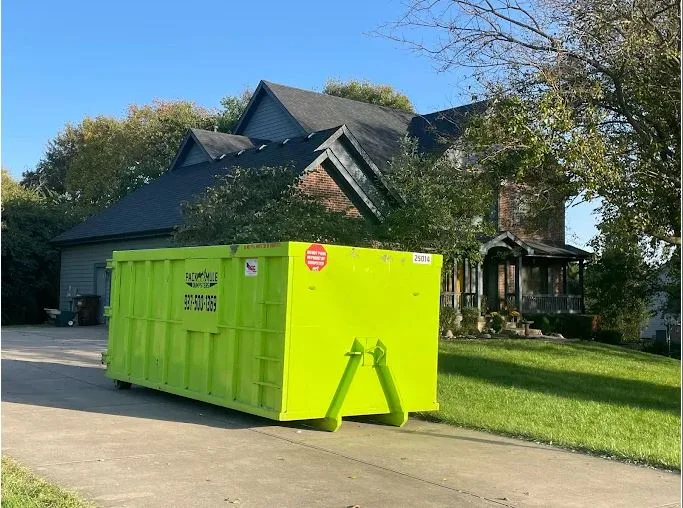
A dumpster can simplify a cleanout, renovation, roofing job, or construction project when the container fits the debris and site. Size, weight, placement, timing, and loading all affect how smoothly the job goes. These five tips can help homeowners and contractors avoid mistakes before delivery.
1. Match the Dumpster Size to the Debris
Start with what you are actually throwing away. Bulky furniture and household junk can consume space quickly, while tile, shingles, concrete, and demolition material can become heavy before the dumpster looks full.
Pack Mule Dumpsters lists 14-, 20-, 25-, 30-, and 40-yard containers, plus a 15-yard clean-concrete option. Different sizes also include different disposal-weight allowances.
Using Pack Mule’s dumpster rental service is easier when you describe the project honestly, including dense or unusual materials that could affect the container choice.
2. Compare Pricing by More Than the Starting Rate
A dumpster price can depend on container size, rental period, included disposal weight, service address, and extra charges that apply if the load exceeds the allowance.
That means the cheapest listed option is not always the least expensive choice for the whole project. A container that is too small may require another haul, while a larger one may provide unused capacity.
Before ordering, compare dumpster sizes and prices together so you can see how capacity, included weight, dimensions, and rental terms line up with the work.
3. Plan for Weight as Well as Volume
Cubic yards measure space, not weight. This distinction matters most with dense debris.
A couch may occupy a large portion of a dumpster without adding much weight. Broken tile, roofing shingles, masonry, and similar materials can create the opposite situation.
Identify the heaviest materials before booking. If the project includes clean concrete or another dense waste stream, ask whether a specialty container or different loading plan is more appropriate than a standard mixed-debris roll-off.
4. Prepare the Delivery Area Before the Truck Arrives
The dumpster needs a suitable place to sit, but the truck also needs room to approach, unload, and return for pickup.
Check for parked vehicles, gates, low branches, overhead wires, narrow turns, soft ground, and other obstacles. Choose a location that keeps the container useful without blocking a garage, entrance, loading area, or equipment route.
Before pickup, inspect the access path again. Projects have a habit of spreading tools, materials, trailers, and vehicles around the dumpster.
5. Load With Pickup in Mind
Use the container efficiently, but do not treat the top edge as a suggestion. Debris should remain contained so the load can be transported safely.
Break down bulky items when practical and distribute heavier material instead of concentrating it in one corner. Confirm questionable or restricted materials before loading them.
A quick final check can prevent a pickup delay.
Better Planning Makes Dumpster Rental Easier
A smoother rental starts with accurate project information. Estimate the debris realistically, consider weight separately from volume, compare complete pricing terms, prepare the placement area, and keep the load manageable.
Those steps take little time, but they can prevent extra handling and scheduling problems. When the container matches the waste, and the site is ready, dumpster rental becomes a practical part of the project instead of another issue to solve.