Water Damage Mitigation Explained: What Happens Between the Leak and Full Recovery?
Water damage mitigation is the work that happens before repairs can truly begin. When a pipe breaks, a sump pump fails, or stormwater enters a building, the immediate goal is not cosmetic restoration. It is to control the source, remove water, locate hidden moisture, dry affected materials, and limit further damage. Understanding that sequence helps property owners know what to expect and why a room that looks dry may still need attention.
What Is Water Damage Mitigation, and How Is It Different From Repair?
Mitigation focuses on stopping damage from spreading. Repair and reconstruction come later, after the area has been stabilized and dried.
The first steps may include controlling the water source, extracting standing water, evaluating affected materials, and measuring moisture in walls, floors, ceilings, or structural components. Drying equipment is then selected for site conditions.
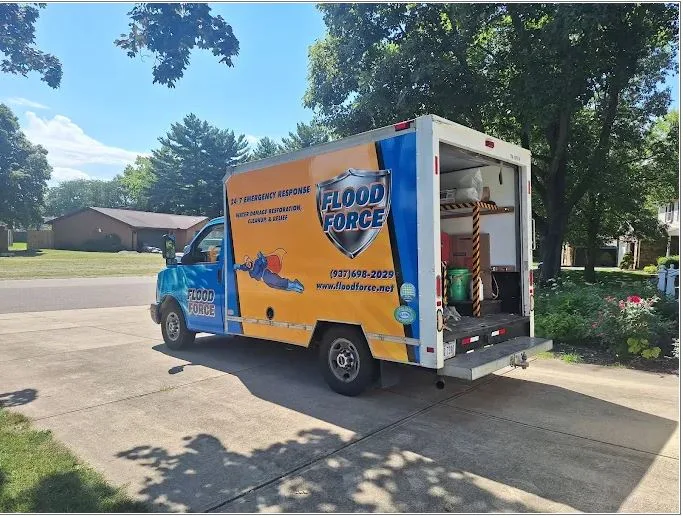
A service such as Flood Force addresses emergency water removal, structural drying, burst-pipe cleanup, storm and sump pump failure cleanup, flood cleanup, and commercial water mitigation in the Dayton area.
That distinction matters because replacing flooring or repainting drywall before hidden moisture is addressed can cover the symptom without solving the underlying problem.
Why Does Hidden Moisture Matter After Standing Water Is Gone?
Visible water is only part of a water loss. Moisture can travel under flooring, behind baseboards, inside wall cavities, and into porous materials that continue absorbing water after the surface has been cleared.
Professional mitigation therefore relies on moisture measurements rather than appearance alone. Technicians can use meters and thermal imaging to identify areas needing closer investigation.
Structural drying commonly uses air movers and commercial dehumidifiers. Air movement encourages moisture in wet materials to evaporate, while dehumidification removes moisture from the surrounding air. Readings taken over time help determine whether the drying plan is working.
Homeowners should ask which materials are monitored and what determines when drying is complete. “It feels dry” is not a reliable standard for concealed moisture.
Does Every Water Loss Require the Same Cleanup Process?
No. The source of the water affects how the loss should be handled.
A clean supply-line leak differs from a sewage backup or contaminated floodwater. When bacteria, sewage, or other contaminants may be present, drying alone is insufficient. Cleanup may require controlled material removal, disposal, cleaning, decontamination, and protective procedures.
For storm flooding, sump pump failures, basement flooding, and sewage-related losses, Flood Force describes a process that includes water extraction, category assessment, removal of unsalvageable materials, decontamination, drying, and documentation.
Property owners should avoid contaminated water or assuming every wet material can be saved. Material type, exposure duration, condition, and contamination level all affect that decision.
Which Materials Can Usually Be Dried, and Which May Need Removal?
Salvageability depends on the specific loss. Hard, nonporous materials can often be cleaned and dried when conditions allow. Porous materials may be harder to restore, especially after heavy saturation or contaminated water exposure.
Drywall, insulation, carpet padding, engineered materials, and other absorbent products can hold moisture internally. Some may dry successfully in appropriate conditions; others may need partial or complete removal.
The important point is to avoid two extremes. Keeping damaged material simply to avoid replacement can leave moisture or contamination behind. Removing everything without assessment can create unnecessary demolition.
A good mitigation plan uses moisture data, material condition, and contamination risk to decide what stays and what goes.
What Should Property Owners Do During the First Hours?
Start with safety. If water is near electrical equipment, the structure appears unstable, or sewage is involved, stay out of the affected area until it can be evaluated safely.
If the water source can be stopped without risk, shut it off. Move unaffected belongings away from the wet area when practical and photograph visible damage before cleanup begins.
Avoid using household fans or vacuums where contaminated water or electrical hazards may be present. Also resist the urge to begin major demolition before the extent of the loss is understood.
Note when the problem was discovered, the known cause, and steps taken. Organized documentation can help when discussing the loss with an insurer or restoration professional.
Effective Mitigation Creates a Clear Path Toward Recovery
Water damage mitigation is not simply water removal. It is a controlled process of source management, extraction, moisture assessment, drying, contamination decisions, material evaluation, and documentation.
The most important takeaway is to follow the water, not just the visible stain. Hidden moisture can change what needs to be dried, removed, or repaired, while contamination can change how safely the area can be handled.
Property owners who act quickly, avoid unsafe cleanup, and ask how drying is measured can make better decisions. Once moisture conditions are stabilized and affected materials are properly addressed, repairs can begin on a stronger foundation.