How to Keep Your Nails Healthy Between Manicures
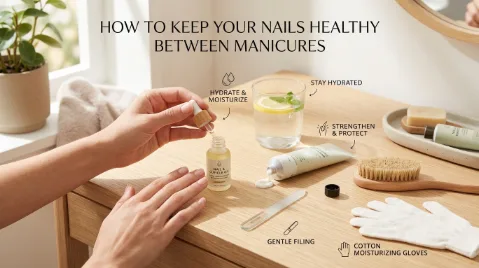
A fresh manicure can make your hands look instantly polished, but what happens between appointments matters just as much as the color or design you choose. Peeling polish, dry cuticles, and frequent product removal can leave nails looking rough before the next salon visit.
Healthy nail care doesn’t need to involve a long routine. Keeping nails clean, limiting unnecessary damage, and using a few simple products consistently can help them remain neat and comfortable between manicures.
Moisturize Your Nails and Cuticles Daily
Handwashing, sanitizer, cold weather, and household cleaning products can dry the skin around the nails. When cuticles become rough, they may split or develop painful hangnails.
Apply cuticle oil around the base and sides of each nail once or twice a day. Massage it gently into the surrounding skin instead of leaving a heavy layer on top. A hand cream can then be applied to help reduce dryness across the fingers and hands.
You don’t need a complicated formula. Consistent application is more useful than owning several cuticle products that are rarely used.
Avoid Cutting Your Cuticles Too Deeply
Cuticles help protect the area where the nail grows. Removing too much skin can leave the area tender and may increase the chance of irritation.
Instead of cutting aggressively, soften the cuticles after a shower or hand soak and gently push them back with a suitable tool. Only loose pieces of dead skin or obvious hangnails should be carefully trimmed.
Do not pull or bite a hangnail. It can tear farther than expected and leave the surrounding skin sore.
File Small Chips Before They Become Breaks
A tiny snag can quickly turn into a deeper split when it catches on clothing, hair, or bedding. Keep a fine nail file nearby and smooth rough edges as soon as you notice them.
Use light strokes and avoid filing deeply into the sides of the nail. Removing too much from the sidewalls may weaken the free edge.
It also helps to choose a nail shape that suits your lifestyle. Short round and squoval shapes are practical for everyday tasks, while longer pointed or sharply tapered nails generally require more careful handling.
Wear Gloves for Cleaning and Dishwashing
Water may seem harmless, but repeated soaking can cause nails to expand and contract. Cleaning products may also dry the nail surface and surrounding skin.
Wear household gloves when washing dishes, scrubbing bathrooms, or handling cleaning products. Make sure the gloves fit comfortably and allow the hands to move without placing pressure on long nails.
After removing the gloves, wash and dry your hands before applying hand cream or cuticle oil.
Stop Using Your Nails as Tools
Using a nail to open a can, scrape off a label, or separate a key ring puts pressure directly on the free edge. Even strong-looking nails can bend, crack, or split under that type of force.
Use the appropriate tool instead. A spoon, scraper, scissors, or coin can complete many of these small tasks without risking a broken nail.
This habit is especially important when wearing gel, acrylic, or other enhancements. The product may feel strong, but the natural nail beneath it can still be injured if the extension bends or lifts.
Don’t Pick at Lifting Polish or Gel
A small area of lifting can be tempting to peel, particularly when the manicure is already several days old. Unfortunately, pulling off gel, acrylic, dip powder, or even regular polish may remove surface layers from the natural nail.
This can leave nails feeling thin, rough, or unusually flexible.
If an enhancement lifts, have it repaired or removed correctly. Avoid covering a lifted area with household glue because moisture and debris may already be trapped underneath.
Regular nail polish should be removed with an appropriate remover rather than scraped away.
Give Your Nails a Gentle Cleanup
Dirt and product residue can collect beneath or around the nails between manicures. Use a soft nail brush, mild soap, and water to clean them without digging underneath with sharp tools.
Dry the hands thoroughly afterward, especially around the fingertips. If you wear long extensions, pay additional attention to the underside of each nail.
A gentle cleanup keeps the manicure looking presentable and makes it easier to notice lifting, cracks, or changes around the nail.
Apply a Protective Top Coat
A fresh layer of clear top coat can restore shine and help protect regular nail polish from early chipping. Apply it in a thin layer and lightly seal the free edge.
Top coat is most useful before the polish begins lifting significantly. It cannot properly repair a large chip or reattach gel that has separated from the nail.
If you are wearing a matte manicure, use a compatible matte top coat so the original finish remains consistent.
Be Careful With Acetone and Frequent Removal
Acetone removes many nail products effectively, but frequent exposure can leave the nails and surrounding skin feeling dry.
Use it only when needed and avoid soaking longer than the product requires. After removal, wash the hands and apply cuticle oil and moisturizer.
Do not scrape stubborn product from the nail plate. If it doesn’t release easily, it may require additional soaking or professional removal.
Keep the Underside of Long Nails Clean
Long natural nails and extensions provide more space for residue to collect beneath the free edge. Clean this area gently with soap, water, and a soft brush.
Avoid using sharp metal objects under the nail. Digging beneath the free edge can separate the nail from the skin underneath and cause discomfort.
If you notice discoloration, an unusual odor, pain, or persistent lifting, remove the cosmetic covering safely and consult a qualified professional.
Give Damaged Nails Time to Grow
A manicure break is not automatically necessary for everyone. However, if nails feel sore, extremely thin, or repeatedly split after removing enhancements, keeping them short and lightly protected may make daily activities more comfortable while the damaged section grows out.
During this period, avoid repeated buffing and aggressive filing. These steps remove additional layers and cannot make the nail grow faster.
A simple routine of moisturizer, cuticle oil, gentle shaping, and protection from household work is usually enough.
Plan Your Next Appointment Before Problems Develop
Waiting until several nails have lifted or broken can make maintenance more difficult. Schedule removal, fills, or repairs according to the type of manicure and the condition of your nails.
Growth rates and wear time differ from person to person. Someone who works frequently with water or uses their hands for physical tasks may need maintenance sooner than someone whose routine places less pressure on the nails.
Never ignore pain, swelling, redness, or changes in nail color simply to keep a manicure in place.
When to Seek Professional Advice
Minor dryness or an occasional broken nail is common. Persistent changes may need more attention.
Speak with a dermatologist or another qualified healthcare professional if a nail becomes painful, separates from the skin, changes color without an obvious cause, develops a dark line, or shows ongoing thickening or distortion.
A nail technician can help with cosmetic maintenance, but unusual or persistent nail problems should be assessed by a medical professional.
Final Takeaway
Keeping nails healthy between manicures comes down to consistent, gentle care. Moisturize the cuticles, smooth small snags, wear gloves during household work, and avoid using the nails as tools.
Most importantly, don’t peel off gel, acrylic, dip powder, or lifting polish. Safe removal and timely maintenance can prevent a minor issue from becoming lasting damage.
A manicure should complement your nails, not leave them feeling sore or fragile. Giving your hands a few minutes of attention each day can help your next manicure start with a cleaner, stronger-looking foundation.