Ready to Charge at Home? How to Choose a Home EV Charger That Fits Your Lifestyle
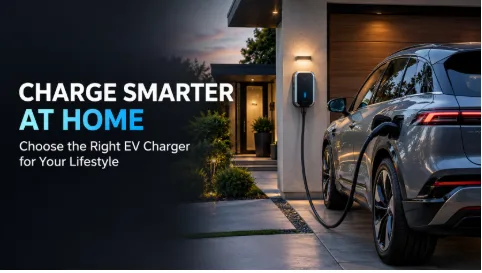
Charging an electric vehicle at home can make everyday driving much simpler. Instead of visiting a public charging station after work, you can plug in at home and let the vehicle charge while you sleep. But choosing the right home EV charger is important. The best option depends on your vehicle, home setup, driving habits, and how quickly you want to charge.
A home charger is more than a piece of equipment on the wall. It becomes part of your daily routine. Choosing one that fits your lifestyle can make EV ownership easier and more convenient.
Start With Your Daily Driving Habits
Before comparing chargers, think about how you actually use your EV.
If you drive a short distance each day, you may not need the fastest charging option available. A regular overnight charging routine could provide enough energy for your next day. On the other hand, drivers with long commutes or frequent trips may benefit from a charger that can add more energy in less time.
Consider questions such as:
- How many miles do you normally drive each day?
- How often do you charge at home?
- Do you usually charge overnight?
- Do you take long trips on weekends?
- Will other family members use the vehicle?
Your answers can help you avoid paying for features you may rarely use.
Check Your EV and Electrical Setup
Compatibility should always come first. Different electric vehicles can have different charging requirements, so check your vehicle manufacturer’s recommendations before choosing a home charger.
Your home’s electrical system is equally important. The available power supply can affect the type of charger you can install and how quickly your vehicle can charge. A professional electrician can inspect your setup and determine whether any electrical upgrades are needed.
This step is easy to overlook. Yet, it can save you from buying equipment that is not suitable for your home.
Think About Charging Speed
Charging speed is one of the most noticeable differences between home EV chargers. A higher-powered charger can generally add energy faster, but faster is not always necessary.
For someone who plugs in every night, overnight charging may be more than enough. If you regularly return home with a low battery and need to drive again soon, faster charging could be more useful.
The goal is to find the right balance. You want enough charging power for your routine without choosing a system simply because it has the highest specification.
Where Will the Charger Go?
Location matters more than many first-time EV owners expect. The charger should be placed somewhere that makes plugging in easy and safe.
A garage can be a convenient choice because the vehicle is protected from the weather and the charger can remain close to the parking space. An outdoor installation may make more sense for homes without a garage.
Think about cable reach, parking position, and how often you will need to connect the vehicle. A charger that is technically powerful but awkward to access can quickly become frustrating.
Look at Practical Features
Once you know your basic charging needs, compare the features that can make everyday use easier.
A good home EV charger should be simple to operate. Clear controls, a practical cable design, and suitable safety features can all improve the experience.
Depending on the product, you may also want to consider:
- Charging status indicators
- Cable length and storage
- Weather protection for outdoor use
- Built-in safety and protection features
- Smart charging controls, where available
- Compatibility with your home’s electrical setup
The most useful features are the ones you will actually use. There is little benefit in choosing a complicated system if you prefer a straightforward charging routine.
How QIAO Charger Fits Home Charging Needs
For drivers exploring home charging options, QIAO Charger provides EV charging solutions designed around different charging needs. Its home EV charging options can help drivers create a more convenient charging setup at their own property.
When comparing a home charging solution, it is worth looking closely at:
- Vehicle compatibility
- Charging performance
- Installation requirements
- Cable design and reach
- Safety features
- Indoor or outdoor suitability
Taking time to compare these details can help you choose a charger that works well with both your vehicle and your home.
Consider Your Future Needs
Your current driving habits may not stay the same. Perhaps you drive mostly to work today, but your routine could change later. You may travel more often, add another EV to the household, or move to a different home.
Thinking ahead can help you make a more practical choice. You do not necessarily need the most advanced charger available, but it is worth considering whether your chosen setup will continue to meet your needs as your lifestyle changes.
Home Charging Can Simplify EV Ownership
One of the biggest advantages of home charging is convenience. You do not have to make a separate trip to charge when your vehicle can be plugged in at home. Over time, this can make charging feel less like a task and more like part of your normal routine.
The right charger should fit naturally into that routine. For some drivers, simple overnight charging is enough. Others may need faster charging and more advanced features. There is no single solution that works perfectly for everyone.
Final Thoughts
Choosing a home EV charger is really about choosing a charging routine that matches your life. Consider your daily driving distance, vehicle requirements, electrical setup, charging speed, installation location, and the features you genuinely need.
A well-matched charger can turn home charging into a simple part of everyday EV ownership. Instead of worrying about where to charge after every journey, you can return home, plug in, and start the next day with a charged vehicle.
The best choice is not necessarily the most powerful or expensive option. It is the one that fits your vehicle, your home, and the way you drive.