Custom Elevator for Modern Buildings
Introduction
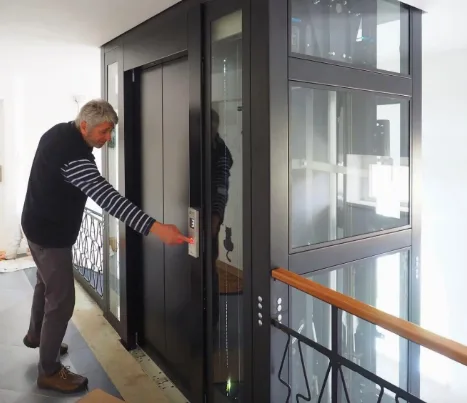
A custom elevator provides a practical way to improve movement between floors while meeting the unique requirements of modern buildings. Architects, homeowners, developers, and business owners may need elevator systems that fit unusual spaces, complement interior designs, or accommodate specialized transportation needs.
Customized elevator solutions offer flexibility in appearance, dimensions, capacity, and functionality. With careful planning, a suitable elevator can support accessibility, improve convenience, and integrate effectively with the building’s overall design.
Why Choose a Custom Elevator?
Standard elevator models may not suit every architectural layout. Buildings can have limited shaft space, unusual floor arrangements, or specific accessibility requirements. A custom elevator allows these factors to be considered during the planning process.
Customization also provides greater control over interior finishes and functional features. Property owners can select materials, lighting, control panels, and cabin configurations according to the building’s purpose.
For commercial properties, an appropriately specified elevator can support passenger movement during busy periods. In residential settings, it can provide convenient access to upper floors and make multi-story living easier.
Custom Elevator Designs for Different Properties
Residential Buildings
Homeowners often choose custom elevators to improve convenience and accessibility. These systems can be designed for private houses, villas, and multi-level apartments.
Depending on the building, available options may include compact cabins, automatic doors, accessible controls, and finishes that complement the interior. A qualified specialist can determine which configuration is technically suitable for the property.
Commercial Buildings
Offices, hotels, and shopping centers require elevator systems that can accommodate their expected traffic.
A custom elevator project may involve selecting suitable load capacity, travel speed, door dimensions, and control technology. Developers should evaluate passenger demand and building occupancy before finalizing the specifications.
Healthcare Facilities
Hospitals and medical centers may require elevators that accommodate wheelchairs, stretchers, beds, and medical equipment.
These systems need suitable cabin dimensions, reliable operation, and safety features appropriate for healthcare environments. Design decisions should reflect clinical workflows and applicable accessibility and elevator regulations.
Industrial Facilities
Factories and warehouses may require specialized elevators for transporting goods, machinery, or materials between levels.
Load ratings, operating conditions, safety protections, and maintenance access are especially important. The equipment must be selected for its intended application and operated according to manufacturer instructions.
Key Customization Options
Several features can be adjusted when planning a custom elevator.
Cabin dimensions: Cabin width, depth, and height must accommodate the intended users or materials while satisfying technical requirements.
Interior finishes: Stainless steel, decorative panels, suitable flooring, and different lighting arrangements can create an appearance that matches the building.
Door configurations: Door type and opening dimensions affect accessibility and the movement of passengers or goods.
Control systems: Control panels, floor indicators, and accessible operating features should be selected according to the users’ needs.
Energy-saving technology: Efficient drives, LED lighting, and standby functions may help reduce electricity consumption.
Every customization must remain compatible with the elevator’s engineering requirements and relevant safety standards.
Factors to Consider Before Purchasing
Before investing in a custom elevator, identify the building’s main requirements. Consider the number of floors, available installation space, expected passenger traffic, and intended load.
Budget planning should include equipment, installation, structural preparation, electrical work, inspections, and ongoing maintenance. These costs vary according to the elevator type and project complexity.
It is also important to review local regulations and accessibility requirements. A qualified elevator consultant can help identify applicable standards and determine whether the proposed design is suitable.
Finally, consider the manufacturer’s service network. Access to trained technicians and replacement parts can make a significant difference throughout the elevator’s operating life.
Custom Elevator Installation Process
The installation process generally begins with a technical site survey. Engineers review architectural drawings, shaft dimensions, structural conditions, and electrical requirements.
After the design is approved, the manufacturer prepares the equipment according to the agreed specifications. Installation must be coordinated with other construction activities to prevent delays and avoid conflicts with building systems.
Once installation is complete, the elevator undergoes the inspections, tests, and commissioning procedures required by local regulations. It should not be placed into service until the necessary approvals have been obtained.
Clear communication between the manufacturer, contractor, and building owner helps ensure that the project meets its functional and technical objectives.
Maintenance for Long-Term Performance
Regular maintenance is essential for keeping a custom elevator reliable. Professional technicians inspect components such as doors, brakes, controls, safety devices, and drive systems.
Maintenance schedules should follow the manufacturer’s recommendations and applicable regulations. Any unusual noise, operating fault, or safety concern should be reported promptly.
Keeping maintenance records helps building managers track inspections, repairs, and component replacements. Timely servicing can identify developing issues and reduce unexpected interruptions.
Benefits of Modern Elevator Technology
Modern elevator technology offers several practical advantages. Efficient drive systems can help manage energy consumption, while advanced controls may improve passenger movement.
Some systems also support remote monitoring or diagnostic functions that help maintenance teams identify faults. The availability of these features depends on the selected equipment.
When comparing technologies, property owners should consider reliability, service availability, compatibility, and total operating costs instead of focusing only on advanced features.
Conclusion
A custom elevator is a valuable solution for buildings that require specialized dimensions, personalized designs, or specific operational capabilities. Residential, commercial, healthcare, and industrial properties can benefit from elevator systems planned around their individual requirements. Evaluating capacity, safety, accessibility, energy efficiency, and installation costs helps buyers make informed decisions. Choosing an experienced manufacturer and maintaining the equipment professionally can support reliable performance for years to come.