What Nobody Tells You About Hair Transplant Recovery: Dr. Serkan Aygin Shares the Reality
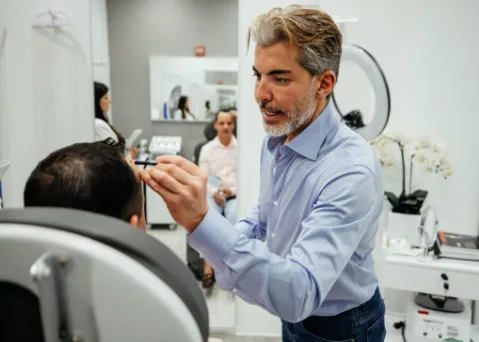
Most people planning a hair transplant spend weeks comparing clinics, techniques, and prices. Very few spend an hour learning what the months after surgery actually feel like. Clinic brochures show a smiling patient on day one and a full head of hair at month twelve. The stretch in between, which is where most of the anxiety lives, usually gets a single line.
This article fills in that stretch. It draws on the recovery patterns surgeons like Dr. Serkan Aygin emphasize with patients: an honest timeline, the surprises, and the habits that decide how well the grafts settle.
The First 72 Hours
The surgery itself is done under local anesthesia, so the first surprise is how manageable the procedure feels. The second is how odd the first few days are.
Expect a tight, tender scalp, mild swelling in the forehead, and a strange sensation of numbness where the donor hair was taken. Sleeping is the real challenge. You’ll be asked to rest semi-upright, usually with a travel pillow, for several nights, which feels unnatural if you’re a stomach or side sleeper.
Most patients are surprised that pain is rarely the headline. Discomfort is the headline: itching, tightness, and the constant urge to touch your head. That urge is the one to resist, because the grafts are fragile in these early days.
The Swelling Nobody Warns You About
Around day two to four, many patients notice swelling that travels downward from the forehead toward the eyebrows and sometimes around the eyes. It looks dramatic and is almost always harmless. It’s caused by the anesthetic fluid and your body’s natural response, and it typically fades within a week.
It’s worth planning for. If you have a wedding, a presentation, or a video call in the first ten days, move it. Patients who schedule their procedure around a visible event often regret it.
Scabs, Redness, and the “Ugly Phase”
By the end of the first week, tiny crusts form around each graft. They look unattractive, and the temptation to pick them is strong. Don’t. Gentle washing, following your surgeon’s instructions exactly, lets them loosen and fall away naturally, usually within ten to fourteen days.
Redness can last longer than people expect. Pink skin across the recipient area may remain for several weeks, and for fair-skinned patients, a couple of months. It’s cosmetic and temporary, but it means “invisible” recovery is a myth. If you want to return to work without anyone noticing, plan for about two weeks, and be ready to wear a loose cap or style your hair carefully if you go sooner.
Shock Loss: The Moment Most Patients Panic
Here’s the part almost nobody prepares you for. Between weeks two and eight, the transplanted hairs often fall out.
This is called shock loss, and it’s a normal stage of the process. The follicles themselves are alive and settled under the skin, but the shafts shed as the follicles enter a resting phase. Some existing, non-transplanted hairs nearby may also thin temporarily.
To a patient who just invested money, time, and nerves, this looks like failure. It isn’t. Many people feel they’re worse off at month two than before surgery. That’s exactly why the timeline matters: if you know it’s coming, it stops being frightening.
The Waiting Game: Months Three to Twelve
New growth usually begins around months three to four, and the first hairs are often thin, soft, and uneven. Months five to eight bring visible thickening, but it’s rarely a smooth upward curve. Growth comes in waves, and some patients go through a patchy “awkward” stage where the density looks inconsistent.
Final results typically emerge between twelve and eighteen months. Anyone who promises a full result at three months is selling you something. Patience isn’t just a virtue here; it’s the main treatment plan.
Mental Recovery Is Part of Recovery
The physical timeline is only half the story. Many patients describe an emotional dip around weeks four to ten, when the transplanted hair has shed and new growth hasn’t started. It helps to talk to your surgical team openly during this window. Clinics worth choosing don’t disappear after the procedure; they stay reachable and check on you with photos and follow-ups.
Why Your Choice of Clinic Shapes the Recovery
Recovery quality is tied closely to what happens in the operating room: how carefully grafts are extracted, how they’re handled outside the body, and how precisely they’re placed. This is one reason a hair transplant in Turkey draws so many international patients. The country has built a large, experienced industry, and high surgical volume often means teams develop refined, repeatable techniques.
But volume cuts both ways. Not every clinic delivers the same standard, and the cheapest offer is rarely the best one. When researching the hair transplant cost in Turkey, look beyond the headline figure. Ask what’s included: pre-operative testing, medications, accommodation, transfers, aftercare instructions, and follow-up support. A package that seems inexpensive but leaves you without post-operative guidance can cost far more in the long run.
Equally important, ask who actually performs the key steps. A transparent clinic will tell you which tasks the surgeon handles personally and which are delegated, and will show you real, unfiltered before-and-after results from patients at the same stage of recovery you’re hoping to reach.
Conclusion
A hair transplant is one of the more forgiving cosmetic procedures, but it isn’t instant, and it isn’t effortless. The patients who are happiest a year later are rarely the ones who had the “easiest” recovery. They’re the ones who knew what to expect: the swelling, the scabs, the shedding, the slow, uneven return of growth. Preparation turns a stressful year into a manageable one.
Go in informed, follow your aftercare plan faithfully, and give your follicles the time they need. The reality of recovery is less glamorous than the marketing, but it’s far more reassuring once you understand it.