Aces Four – Guest Post 01 – Moving From Septic to Sewer
Aces Four
For many homeowners, a septic system works quietly for years until a repair, a remodel, or a notice from the city changes the picture. When a public sewer line becomes available near your home, connecting to it can feel like a big step, and in some ways it is. It changes how wastewater leaves your home, who maintains the system beyond your property, and what you need to plan for during construction. It can also remove the regular pumping, drain-field worries, and limits that come with an older septic setup.
The switch is not a single-day job, and it is not the same for every home. The distance to the street main, the slope of your lot, the age of your indoor plumbing, and local permit rules all shape the plan. A good project starts with clear information: where the sewer main sits, whether gravity can carry wastewater to it, and what condition your existing pipes are in. With those answers, you can compare a realistic scope and timeline instead of guessing, and you can avoid surprises once digging begins. Aces Four can help homeowners in the Seattle area work through those early questions before any work is scheduled.
What the switch usually involves
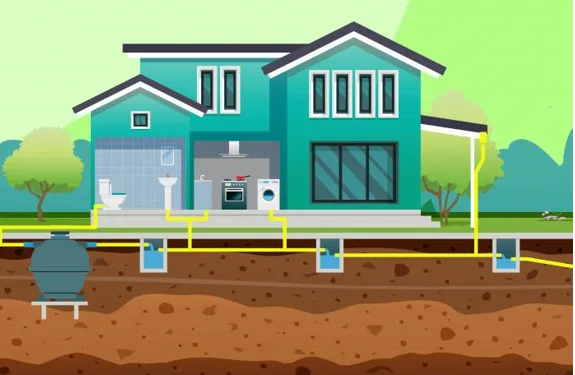
In most cases, the work follows a clear sequence. First, the route from your home to the public main is mapped, along with any trees, driveways, patios, or utility lines in the way. Next, a trench or a trenchless path is prepared, the new pipe is laid at the slope it needs to drain by gravity, and the connection is made. Your old septic tank is then usually pumped out and decommissioned following local rules, which may mean filling it or removing it. Finally, the ground is restored as closely as possible to how it looked before work started.
Slope matters more than many homeowners expect. Sewer pipes rely on a steady downhill fall to keep wastewater moving, so a lot that is flat or slopes away from the street may need a pump system. That does not make the project impossible, but it does change the design, the equipment, and the long-term maintenance. Ask early whether your home can connect by gravity alone, and what happens during a power outage if a pump is part of the plan. The answer will affect both the installation and your peace of mind afterward.
The condition of the pipes inside and just outside your home matters too. Older clay, cast iron, or Orangeburg lines may be cracked, bellied, or full of roots, and connecting a new line to a failing section only moves the problem. A camera inspection before the project can show breaks, offsets, and blockages that are worth fixing while equipment is already on site. Learning how a new sewer line is installed can help you picture the steps involved and the decisions that come up along the way.
Permits, inspections, and timing
Most sewer connections require a permit, and many cities require inspections at specific stages, such as before a trench is backfilled or before the final connection is approved. Your contractor should be able to explain which permits apply, who applies for them, and how inspection timing affects the schedule. If a street or sidewalk must be opened, additional approvals or restoration requirements may apply, and those steps can add days to the timeline even when the pipe work itself is straightforward.
Timing also depends on weather, soil, and access. Wet ground in the Pacific Northwest can slow excavation, and a narrow side yard or a steep slope can limit equipment choices. A realistic schedule builds in time for inspections and for restoring lawns, walkways, and planting beds. If you are planning a remodel, a driveway replacement, or other yard work, it is worth coordinating those projects so you do not dig up a newly finished surface twice.
What to budget for, beyond the pipe
The pipe itself is only part of the cost picture. Permits and inspection fees, septic decommissioning, restoration of landscaping and hard surfaces, and any needed pump equipment all add up. Monthly sewer charges replace septic pumping costs, so it helps to compare the ongoing bills as well as the one-time work. Get a written scope that names what is included, what is excluded, and how unexpected conditions, such as rock or an unmarked utility, would be handled if they appear.
It also helps to ask about warranties and records. Keep copies of the permit, the inspection sign-offs, and a simple sketch showing where the new line runs. That record is useful if you later sell the home, plan an addition, or need a repair, because no one will have to guess where the pipe lies. A clear paper trail is one of the simplest ways to protect a project that will spend its life underground and out of sight.
Daily life during the work deserves a little planning too. Your water service may be interrupted for periods while the old system is disconnected and the new line is tied in, so ask in advance how long those interruptions are expected to last and whether temporary facilities are needed. Keep children and pets away from open trenches, and agree on how the work area will be secured overnight if the job runs over more than one day. A contractor who explains these practical details before work starts is usually the same contractor who keeps the site tidy and the project on track.
Questions worth asking before you commit
Before you approve a plan, ask how the route was chosen, whether trenchless methods were considered, and how your yard, driveway, and trees will be protected. Ask who restores what, and to what standard, and how long restoration work is expected to take. Ask what happens if the camera inspection finds damage beyond the planned route, and whether the price or timeline would change. Straight answers to those questions usually signal a contractor who has done this work before and is planning for your home, not just for a standard job.
Finally, think about how you will use the home in the coming years. If an addition, an accessory dwelling unit, or a bathroom remodel is on the horizon, the sewer connection should be sized and placed with that future in mind where local rules allow. A little foresight now can save a second round of digging later. Done well, a septic-to-sewer conversion is mostly invisible once it is finished, which is exactly the point: the system should simply work, quietly, every day.
Illustrative stock image — not a photo of Aces Four’s actual project.