How Has Inflation Changed the Outlook of the Real Estate Sector?
By
Shravan Gupta
The real estate sector has undergone significant transformations over the years, influenced by changing economic conditions, evolving consumer preferences, government policies, and fluctuations in the global economy. Among these factors, inflation has emerged as one of the most influential forces shaping the industry’s direction, affecting everything from property prices and construction costs to housing demand and investment decisions.
According to Shravan Gupta, inflation plays a pivotal role in determining the growth trajectory of the real estate market. While rising inflation can create challenges for developers and homebuyers, it can also present opportunities for investors who understand market dynamics and adopt a long-term investment perspective.
Real estate has traditionally been regarded as an important asset class because of its potential to generate long-term value, provide rental income, and offer a degree of protection against inflation. Understanding the relationship between inflation and property markets is therefore essential for investors, developers, and prospective homeowners.
How Inflation Influences Real Estate Prices and Market Growth
Inflation affects the real estate industry in several interconnected ways. Its influence extends beyond property valuations, shaping construction economics, financing conditions, infrastructure development, and overall market sentiment.
Some of the major areas where inflation influences the real estate sector include:
1. Rising Construction Costs and New Developments
One of the most immediate effects of inflation is the increase in construction costs. Prices of essential materials such as cement, steel, bricks, and other building components tend to rise during inflationary periods. Labour costs, transportation expenses, and operational overheads can also increase.
These developments create additional financial pressure on real estate developers. However, established developers who maintain efficient cost management strategies and carefully plan their projects can navigate these challenges more effectively.
At the same time, growing urbanisation, changing lifestyles, and the demand for modern residential and commercial spaces continue to create opportunities for new developments.
Shravan Gupta believes that adapting to changing economic conditions and maintaining a long-term development strategy are essential for sustaining growth in the real estate industry.
2. Inflation and Property Appreciation
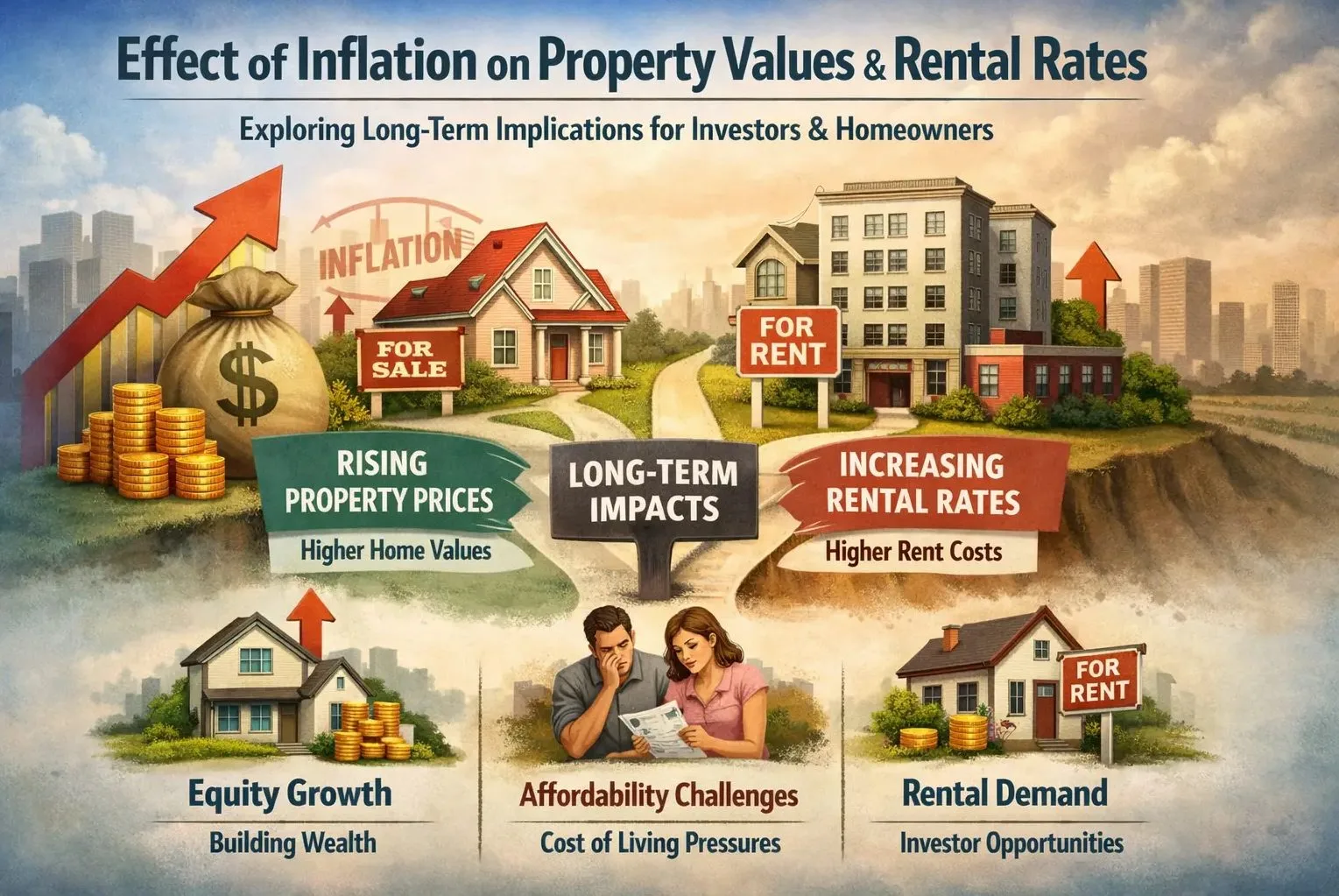
Real estate has historically attracted investors seeking assets that may retain or increase their value over time. During inflationary periods, replacement costs and land values can rise, potentially contributing to higher property valuations.
However, the relationship between inflation and property appreciation is not always straightforward. Purchasing power, consumer confidence, employment conditions, and borrowing costs all influence housing demand.
According to Shravan Gupta, investors should look beyond short-term market fluctuations and evaluate the fundamental value of a property, including its location, infrastructure, connectivity, and future development potential.
A well-selected property in a developing location can offer opportunities for long-term capital appreciation, although returns are never guaranteed.
3. Mortgage Rates and the Cost of Borrowing
Interest rates are among the most important factors influencing real estate activity. When borrowing costs are relatively low, homebuyers generally find it easier to finance property purchases through mortgages. This can encourage housing demand and support market activity.
However, inflation can also prompt central banks to increase interest rates to control rising prices. Higher interest rates make home loans more expensive, potentially reducing affordability and slowing property transactions.
This creates a delicate relationship between inflation, monetary policy, and real estate investment.
Shravan Gupta highlights the importance of understanding financing conditions before making investment decisions. Buyers and developers must assess borrowing costs, repayment capacity, and long-term financial commitments rather than relying solely on prevailing market sentiment.
4. Infrastructure Development and Changing Investment Opportunities
Infrastructure development plays a critical role in determining the long-term attractiveness of real estate markets. Improved roads, metro connectivity, airports, commercial centres, and social infrastructure can significantly influence the demand for residential and commercial properties.
Although inflation may increase the cost of infrastructure projects, well-planned development continues to create opportunities for urban expansion and economic growth.
Locations benefiting from improved connectivity and expanding employment opportunities often attract greater interest from homebuyers and investors.
Shravan Gupta believes that infrastructure, accessibility, and sustainable urban planning will remain important drivers of the real estate sector. Developers who recognise emerging growth corridors and changing consumer requirements can position themselves more effectively for the future.
The Future of Real Estate in an Inflationary Economy
Inflation presents both challenges and opportunities for the real estate industry. Increasing construction expenses, fluctuating interest rates, and changing consumer affordability require developers and investors to adopt more informed and disciplined strategies.
At the same time, urbanisation, population growth, infrastructure expansion, and the continuing need for quality housing provide a strong foundation for the industry’s long-term relevance.
As Shravan Gupta observes, real estate investment should be approached with a clear understanding of economic conditions and a long-term vision. The ability to adapt to inflationary pressures, identify promising locations, and maintain financial discipline will be essential for businesses operating in an increasingly competitive market.
Conclusion
Inflation has fundamentally influenced how the real estate industry operates, affecting property prices, construction costs, financing decisions, and investment strategies. While its impact can be challenging, it also encourages developers and investors to become more strategic, innovative, and financially responsible.
The future of real estate will depend not simply on market prices but on the industry’s ability to respond to economic changes while meeting the evolving needs of buyers and businesses.
For Shravan Gupta, the underlying strength of real estate lies in its long-term potential, adaptability, and continued importance in economic development. Despite periodic uncertainties, the sector remains an important avenue for investment and urban transformation when approached with careful planning and a sound understanding of market fundamentals.