What Homeowners Should Know About Water Pitcher Filter Replacement
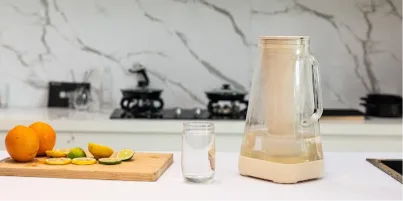
Clean drinking water is an important part of maintaining a comfortable and healthy household routine. Water filter pitchers offer a convenient way to improve the taste and odor of tap water without requiring complicated plumbing or expensive equipment. However, their filtration performance depends on proper care and timely cartridge replacement. A glass water pitcher can be a practical addition to a modern kitchen, providing a reusable way to store drinking water while keeping it easily accessible. Understanding when to replace the filter, how to choose a compatible cartridge, and how to maintain the pitcher can help homeowners get consistent results from their filtration system.
Why Regular Water Filter Replacement Matters
Water pitcher filters contain specialized materials that help reduce particular substances as water passes through the cartridge. Many models use activated carbon to reduce chlorine taste and odor, while others include ion-exchange media or additional filtration materials. These components have a limited capacity and gradually approach their rated limit with regular use.
Replacing the cartridge according to the manufacturer’s instructions helps maintain its intended filtration performance. An expired filter may become less effective at reducing the substances it was designed to address. It may also affect the taste of drinking water or cause filtration to become slower.
Homeowners should remember that replacement schedules differ between products. The correct timing depends on the filter’s design, rated capacity, household water consumption, and local water conditions. Following the manufacturer’s recommendations is more reliable than waiting until the water tastes or smells different.
Choosing the Right Replacement Cartridge
Selecting a compatible replacement cartridge is essential for keeping a pitcher filtration system working properly. Different models may have unique cartridge shapes, sizes, and fitting mechanisms. A filter that looks similar to the original may not necessarily be suitable for another pitcher.
A glass water pitcher with filter may require a cartridge specifically designed for its filtration system. Before purchasing a replacement, homeowners should check the product model, manufacturer’s instructions, and compatibility information. Choosing the correct cartridge helps prevent fitting problems, leakage, and reduced filtration performance.
It is equally important to review the cartridge’s filtration capabilities. Some filters are primarily designed to improve taste and odor, while others may be tested to reduce additional substances. Look for clear performance claims and relevant independent certifications, such as applicable NSF/ANSI standards. Confirm that the certification covers the specific contaminant reduction you want.
Understanding Filter Lifespan and Replacement Timing
Every water pitcher cartridge has a recommended service life or filtration capacity. Some manufacturers recommend replacing filters after a certain number of weeks, while others provide a capacity measured in gallons or liters. These recommendations help homeowners understand how long a cartridge is intended to remain in use.
Daily water consumption can influence replacement timing. A large household that fills its pitcher several times a day may reach the recommended capacity sooner than a person who uses filtered water occasionally. Local water conditions can also affect how quickly filtration materials reach their rated limit.
Homeowners should check the product manual and follow the specified replacement schedule. If the pitcher includes a filter-life indicator, it can provide a useful reminder. Recording the date when a new cartridge is installed is another simple way to keep track of maintenance.
Preparing a New Filter Before Installation
Many replacement cartridges require preparation before their first use. Depending on the model, this may involve soaking the cartridge, rinsing it under running water, or flushing it with a specific amount of water.
These steps help prepare the filtration materials for normal operation and remove loose particles that may be present from manufacturing or packaging. Since preparation requirements vary, homeowners should always follow the instructions supplied with the replacement cartridge.
Avoid using hot water, soap, or household cleaning chemicals on the filter unless the manufacturer specifically recommends them. Incorrect handling may damage the filtration materials or affect the cartridge’s intended performance.
Recognizing When a Filter Needs Attention
Certain changes may indicate that a pitcher cartridge requires attention. Water may begin flowing more slowly, or its taste and odor may become noticeably different. Some modern pitchers also include indicators that remind users when the recommended replacement period has arrived.
However, these signs should not be the only way to judge filter condition. Some contaminants cannot be detected through taste, smell, or appearance. A cartridge may reach its rated capacity even when the water still looks clear and tastes normal.
Homeowners should follow the manufacturer’s replacement schedule and inspect the cartridge regularly for visible damage. If filtration becomes unusually slow, checking whether the cartridge is correctly installed may also help identify the issue.
Maintaining Your Pitcher Between Replacements
Regular cleaning is another important part of water pitcher maintenance. Wash the pitcher, lid, and removable reservoir according to the manufacturer’s instructions. Mild dish soap and clean water are suitable for many pitcher components, but always check whether individual parts have special cleaning requirements.
Use a soft sponge or cloth to avoid scratching the surface. Rinse the components thoroughly to remove soap residue and allow them to dry as directed. Store filtered water properly and refrigerate it when recommended by the manufacturer.
These simple practices help maintain hygiene and keep the pitcher convenient for everyday household use.
Conclusion
Water pitcher filter replacement plays an important role in maintaining consistent filtration performance. Homeowners should choose compatible cartridges, understand their recommended lifespan, prepare new filters correctly, and replace them according to manufacturer instructions. Regular cleaning and proper storage also support a reliable maintenance routine. By taking these steps, households can keep their filtration equipment in good condition and enjoy convenient access to filtered drinking water every day.