8 Things to Check for Ecommerce Holiday Readiness Before the Rush
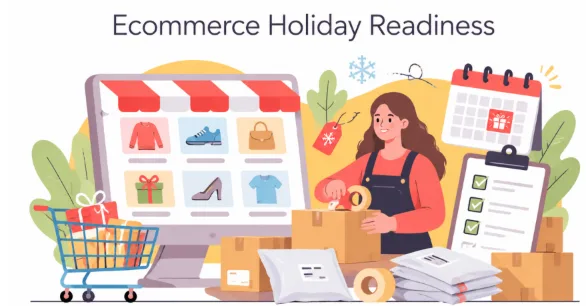
With Black Friday and Christmas approaching, online retailers need to prepare for heavier traffic, larger order volumes, and higher customer expectations. Strong ecommerce holiday readiness can help reduce stockouts, fulfillment delays, website problems, and last-minute packaging shortages. The following checklist covers eight areas to review before the ecommerce peak season begins.
Key Takeaways
- Forecast demand using historical data and current sales trends.
- Test the website, payment methods, and checkout process.
- Confirm supplier, warehouse, and carrier capacity.
- Order packaging supplies before demand increases.
- Communicate shipping deadlines and return terms clearly.
- Prepare customer service teams for more inquiries
1. Inventory Levels and Demand Forecasting
Begin your ecommerce holiday readiness review with inventory. Analyze sales from the previous holiday period, recent product trends, and the results of earlier promotions. Identify your best-selling items, seasonal products, and products that are often purchased together.
Demand forecasts should account for marketing campaigns, planned discounts, supplier lead times, and possible sales spikes. Effective holiday inventory optimization is not simply about ordering more stock. It involves placing the right quantities of the right products in locations where they can be picked and shipped efficiently.
Set reorder points for important items and prepare alternatives in case a popular product sells out. Accurate inventory records across your website, warehouse, and marketplaces can also prevent overselling.
2. Website Performance and Mobile Experience
Holiday shoppers may leave quickly if pages load slowly or the checkout process fails. Test page speed, product searches, navigation, discount codes, and checkout flows on different devices and browsers.
Mobile performance deserves particular attention because many customers browse and purchase from their phones. Check whether buttons are easy to use, product images load correctly, and forms are simple to complete on smaller screens.
Traffic simulations can help determine whether your website is prepared for a sudden increase in visitors. Monitoring tools and a clear response plan should also be in place before major campaigns launch. A stable, mobile-friendly store is a central part of ecommerce holiday readiness.
3. Payment Options and Checkout Process
Confirm that your primary payment methods are working correctly, including credit cards, digital wallets, and any region-specific options relevant to your customers. Complete test transactions to ensure that payments, confirmation pages, receipts, and order notifications all function as expected.
Keep checkout steps short and avoid requesting unnecessary information. Allowing guest checkout may help reduce friction for first-time shoppers. Display shipping costs, estimated delivery times, and return information before customers complete their purchases.
Among the most useful holiday ecommerce tips is to review failed-payment messages. Clear instructions can help customers correct a problem instead of abandoning their carts.
4. Marketing Campaigns and Promotions
Plan email, social media, search, and paid advertising campaigns in advance. Create a calendar showing launch dates, promotion periods, audience segments, creative assets, and responsible team members.
Discount rules should be easy to understand. Confirm which products are included, whether offers can be combined, and when each promotion ends. Test every coupon code before publishing it.
Marketing plans should also match available inventory and fulfillment capacity. A campaign that generates more orders than the warehouse can process may lead to delays and customer complaints. Coordination between marketing, operations, and customer service improves overall ecommerce holiday readiness.
5. Supplier and Fulfillment Capacity
Contact suppliers early to confirm production schedules, order deadlines, and lead times. Ask how quickly they can respond if demand exceeds the original forecast. For critical products or materials, consider whether backup sources are available.
Review the daily capacity of your warehouse or third-party logistics provider. Check staffing, storage space, picking procedures, packing stations, and systems for processing orders. A practical holiday fulfillment strategy should include plans for unexpected volume, delayed inbound shipments, equipment problems, and employee absences.
It may also be helpful to prioritize orders by shipping deadline rather than processing every order strictly in the sequence received.
6. Packaging Supplies and Unboxing Experience
Packaging is sometimes overlooked until orders begin to rise. Estimate the quantities of poly mailers, boxes, tape, labels, protective materials, and other supplies required for the entire promotional period. Order early enough to allow for production and transportation time.
Poly mailers are lightweight and cost-effective for apparel and other soft goods. For peak-season use, choose materials with suitable strength, secure closures, and tear resistance for the expected handling conditions. Test product fit before placing a large order.
Custom-printed poly mailers or holiday-themed designs can increase brand visibility and create a more memorable unboxing experience. However, appearance should not come at the expense of protection or packing efficiency.
7. Shipping Strategy and Carrier Deadlines
Review carrier cut-off dates, shipping rates, service coverage, and estimated transit times. Because deadlines can vary by destination and service level, confirm current information directly with each carrier.
Publish clear order-by dates on product pages, checkout pages, emails, and customer service materials. Avoid promising arrival dates that your fulfillment operation or carrier cannot reasonably support.
Using more than one shipping service may provide flexibility when a carrier reaches capacity or experiences delays. Tracking notifications and proactive delay updates can also reduce “Where is my order?” inquiries during the holiday rush.
8. Customer Service and Returns Policy
Prepare your support team for more questions about products, promotions, order changes, tracking, and returns. Update response templates and internal guidance so customers receive consistent information across email, chat, and social media.
Make the seasonal returns policy easy to find and understand. State the return window, product conditions, refund method, exchange options, and any exclusions. If gift purchases qualify for an extended return period, explain the dates clearly.
Self-service order tracking, FAQs, and automated status notifications can reduce routine inquiries. At the same time, complex or sensitive cases should have a clear route to human support.
Prepare Before the Rush Begins
The holiday calendar moves quickly, and preparation becomes more difficult as Black Friday and Christmas approach. The earlier a business reviews inventory, technology, fulfillment, packaging, shipping, and customer support, the more time it has to address gaps.
Packaging deserves especially early attention because custom production, printing, and transportation all require lead time. Businesses looking for a reliable packaging supplier can consider WH Packing for poly mailers and other ecommerce packaging needs. Discussing product requirements, quantities, designs, and delivery schedules early can help turn ecommerce holiday readiness into a practical plan before orders begin to surge.