
What a Well-Planned Litter Box Setup Saves You Every Day
Most cat owners do not think of litter box maintenance as a budget item, but the costs add up in ways that rarely make it onto a spreadsheet. There is the time spent chasing scattered granules, the litter wasted on boxes that are scooped less often than they should be, and the replacement boxes bought in frustration after a cat starts refusing the one it has. None of these expenses are dramatic on their own. Together, they form a quiet drain that a better-planned setup can largely eliminate.
The opposite is also true. When the box is the right size, sits in the right place, and holds litter that is easy to manage, daily upkeep takes a minute and the equipment lasts for years. This article looks at that upside: what a thoughtful setup actually returns to the household, and how owners can capture more of those returns without buying more gadgets. The goal is not perfection but proportion, a routine that fits the cat’s needs and the owner’s schedule without either side having to compromise too much.
The Time You Get Back
Time is the first and most immediate return. A box that is easy to reach, scoop, and refill turns a chore into a rhythm. When the hood comes off in one motion and the interior is smooth rather than ridged, a daily scoop takes under a minute. When the box is wedged into a corner or hidden behind a stack of storage bins, the same task stretches into five minutes, and owners start to postpone it. That postponement is where most of the hidden cost begins.
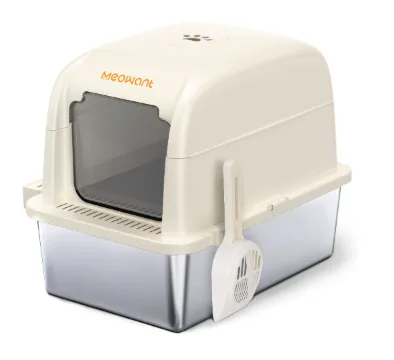
Choosing a model with a removable top and a wide opening, and placing it somewhere with clearance on at least two sides, keeps the routine quick. If you are comparing options, prioritize a cat litter box that you can clean without disassembling it or kneeling on the floor in a cramped spot. The ten minutes you save weekly is small on its own, but it compounds: a routine that feels easy gets done consistently, and consistency is what keeps the whole system working.
The Litter You Stop Wasting
Litter waste is easy to overlook because each bag is cheap, yet the pattern is consistent. Oversized boxes require more litter to reach the recommended depth, and undersized boxes force owners to dump the entire contents more often because scooping is awkward. High-sided designs with deep litter beds also mean more frequent full replacements. A box sized to the cat, filled to about three inches, uses less litter per refill and holds the clumps in reach of the scoop.
Depth and Frequency
Maintaining the right depth matters more than choosing an expensive brand. Too shallow, and cats dig through to the plastic and the box becomes unpleasant; too deep, and litter is wasted on volume the cat never touches. Top up weekly and do a full change on a sensible schedule, then let the box tell you when it needs more. If you are scooping twice a day and the drawer or base still fills quickly, the fill depth is probably too high for the box’s footprint.
The Full-Change Trap
Owners who dislike scooping sometimes compensate by dumping and refilling more often. This costs money and can stress the cat, since fresh litter smells unfamiliar for a day or two. Consistent scooping plus occasional top-ups avoids both problems. A spare scoop and a small storage container near the box make the routine easier to keep up, and the savings show up in how long each bag lasts.
Look at the bag’s stated coverage as a budget guide rather than a marketing claim. If a box is consistently consuming more litter than its size suggests, either the depth is too high or the clumps are breaking apart before they can be removed. Both point to a fixable habit rather than a need for a different product. Adjusting the fill level and scooping promptly usually recovers most of the waste within a couple of weeks.
The Smell and Mess You Prevent
Odor control is the benefit owners notice first, and it is almost entirely a matter of setup rather than product chemistry. A box that is scooped daily and washed monthly, filled with a quality clumping litter, and placed away from heat sources will stay fresher than one that relies on deodorizers. Heavy perfumes mask the problem briefly and can put cats off the box entirely.
Airflow is the underappreciated partner here. An enclosed box in a sealed corner traps moisture and odor in the same space the cat has to enter, which makes the visit unpleasant and encourages avoidance. Leaving a gap between the hood and the wall, or choosing a design with a vent, lets humidity escape without giving up containment. In small rooms, a cracked window or a running fan for part of the day does more for freshness than any additive in the litter.
Tracking follows the same logic. Mats in front of the box catch granules before they travel, and litter with larger, firmer grains tracks less. Placing the box away from high-traffic paths limits how far tracked litter spreads. None of these measures is complicated, but each one removes a small daily annoyance that owners otherwise accept as normal. The real benefit is not a spotless floor; it is the absence of a chore that used to happen three times a day without anyone noticing.
There is a quieter cost to persistent odor as well. Guests notice it before owners do, because owners adapt to a smell that has been present for weeks. A box that is genuinely fresh changes how the whole home feels, and it removes a source of low-level embarrassment that owners rarely mention but often work around. When the setup is right, the room simply stops registering as a room with a litter box in it, which is exactly the outcome most households want.
The Replacement Cycle You Avoid
Many boxes are replaced long before they wear out, and the reason is rarely wear. Cats refuse a box because of size, smell, or location, owners assume the box is the problem, and a new one arrives within a month. The cycle repeats because the underlying mismatch was never addressed. A box chosen around the cat’s measurements and preferences breaks that loop.
It is worth separating wear from preference. A box that is scratched and stained is worn and should be replaced; a box that is intact but avoided is a preference problem, and replacing it rarely helps. Before shopping, look for physical damage, then review the cat’s behavior separately. The two problems are often confused, and that confusion is what keeps the replacement cycle running.
Signs of a Poor Fit
Cats rarely protest loudly. They leave clues instead: scratching at the floor beside the box, eliminating just outside the entrance, or waiting until the box is freshly cleaned before using it. Each behavior points to a specific mismatch, whether space, cleanliness, or enclosure. Treating those clues as diagnostic information is far cheaper than replacing the box on instinct.
Buying Once, Carefully
A box that can be washed, has a replaceable filter or liner if needed, and uses standard scoops and accessories tends to stay in service for years. Brands that build around these practical details, including Meowant, make it easier to buy once and move on. The initial cost matters less than the lifespan, because the second and third boxes are the ones that make the true expense.
Before judging a box, check the parts that wear first. Hinges and latches break when they are flimsy, filters clog if they cannot be replaced, and liners tear if they are too thin. A model whose consumables can be bought separately avoids the all-or-nothing replacement cycle. This is the same logic owners apply to vacuums and coffee makers, and it transfers cleanly to the box. Durability here is not a luxury feature; it is the difference between a one-time purchase and a recurring one.
A Small Investment That Keeps Paying
The returns from a well-planned litter box setup are unglamorous but steady: minutes saved every day, bags of litter that stretch further, a room that smells like a room, and equipment that stays in service long enough to justify its price. None of these wins requires special products or a rigid routine. They come from matching the box to the cat and making upkeep easy enough to do without thinking.
If the current setup constantly asks for attention, that is the signal to reassess rather than replace. Measure the cat, check the entry, and move the box somewhere quieter with clearance to work. A modest change in setup often delivers the same benefits owners try to buy with upgrades, and it keeps the daily routine exactly where it belongs: in the background.