
Dubai in November 2026: Events, Transport and Lifestyle Highlights
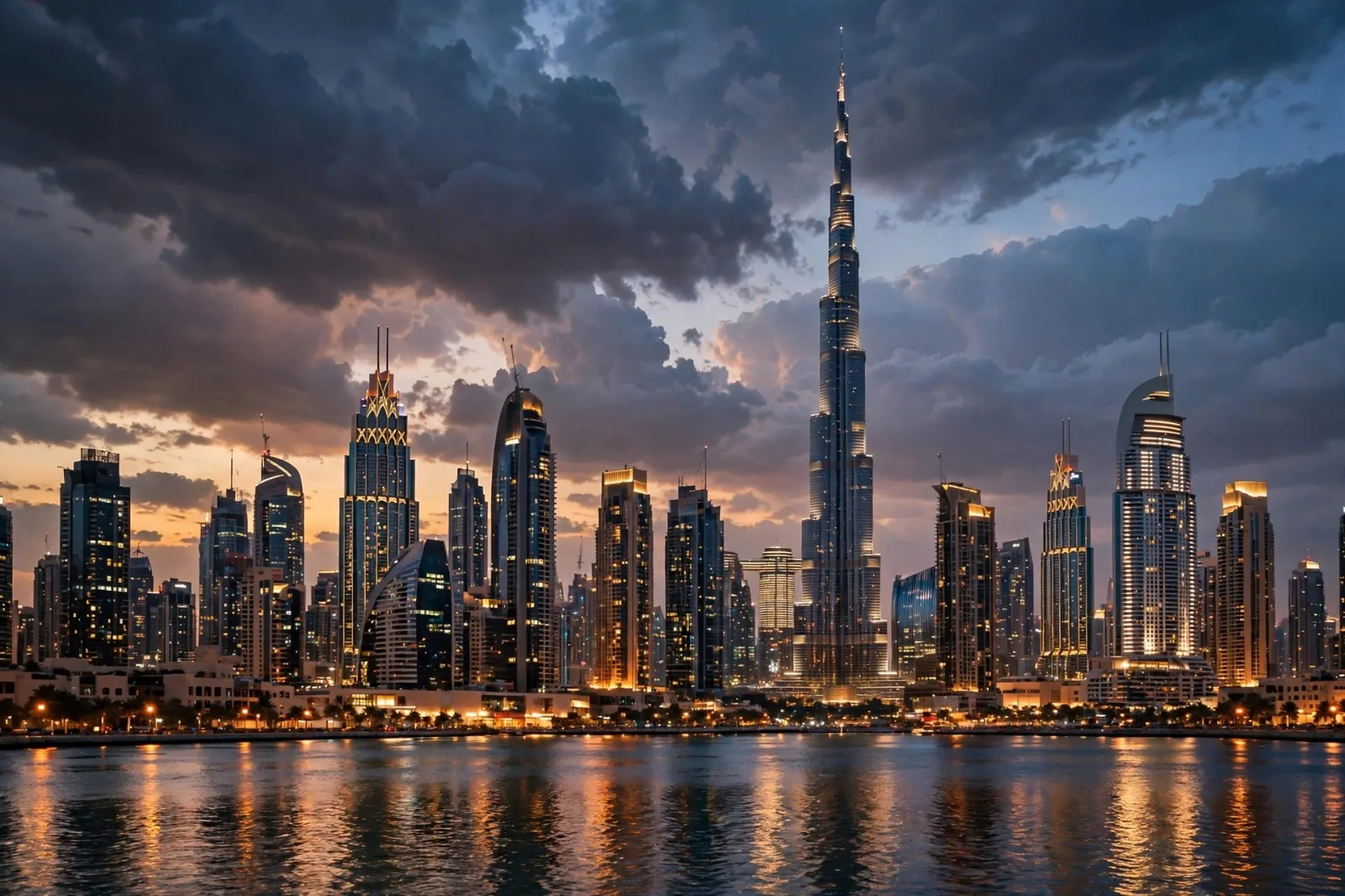
Dubai never slows down, and November 2026 is proving to be one of the busiest months of the year. From record-breaking fitness events to transport updates and business headlines, there is a lot happening across the emirate. Whether you are a long-term resident or visiting for the first time, here is a roundup of what matters right now.
Dubai Run 2026 Brings the City Together
One of the standout events of the season is the annual Dubai Run, which once again turns Sheikh Zayed Road into a giant running track. Part of the Dubai Fitness Challenge — the month-long initiative launched by Sheikh Hamdan (Fazza), the Crown Prince of Dubai — the run draws tens of thousands of participants, from elite athletes chasing personal bests to families pushing strollers along the 5km route. The 10km option attracts serious runners, while the shorter distance keeps the atmosphere festive and inclusive.
The event is completely free, but registration fills up fast every year. Sheikh Zayed Road closes to traffic in the early hours, and Metro stations near the start and finish points — particularly around the Trade Centre and Business Bay — get extremely crowded. Seasoned participants recommend arriving at least an hour before your wave and carrying only essentials, as bag-drop queues can be long.
Beyond the run itself, the Fitness Challenge spans 30 days of free workout sessions, community classes and wellness events across the city, reinforcing Dubai’s ambition to become one of the most active cities in the world.
Getting Around a Very Busy City
With so many events on the calendar, Dubai’s public transport network is working at full capacity. The Metro’s Red and Green lines, the extensive bus network, the Dubai Tram and marine transport remain the most affordable way to move around the city — and the NOL card is the single ticket that unlocks all of them.
Newcomers are often surprised by how many card types exist. The Silver card suits most daily commuters with standard fares. The Gold card buys access to the Metro’s premium cabin, with wider seats and quieter carriages. The Blue card is personalised: it protects your balance if the card is lost or stolen, and it unlocks student, senior and people-of-determination concession fares. The paper Red ticket works for occasional trips but cannot hold a balance in the same way.
Fares are distance-based, and the minimum balance rules catch many visitors off guard — you need a higher balance on the card to enter a station than the cheapest possible fare. Topping up takes seconds at station machines, Zoom supermarkets and petrol stations, or through the official RTA channels. For regular commuters, the monthly pass options on Blue and Silver cards can cut transport costs noticeably.
Daily Life Runs on a Familiar Rhythm
For the millions of residents across the UAE, daily routines revolve around prayer times, and November’s shorter days shift the schedule noticeably. Maghrib arrives earlier in the evening, Fajr creeps later into the morning, and office lunch breaks quietly realign around Dhuhr.
The Sharjah–Dubai corridor — one of the busiest commuting routes in the country — runs on this rhythm. Buses from Al Jubail and Al Taawun terminals fill up right after Fajr, and many commuters plan their entire morning around the first prayer of the day. Malls, government offices and many businesses also adjust their hours subtly through the season, so keeping an eye on the daily timetable avoids mistimed errands as well as missed buses.
The People Behind the Boom
Dubai’s economy is often told through its buildings, but the more interesting story is its people — the founders and public figures whose names residents across the Emirates know by heart.
In retail, few stories match the rise of the LuLu Group, which grew from a single store into one of the largest hypermarket chains in the Middle East. Readers regularly look up Yusuf Ali’s net worth to understand the scale of the business its founder built — a retail empire that now spans dozens of countries while remaining a fixture of everyday grocery shopping in the UAE.
Healthcare has its own towering figure. Dr Azad Moopen, the physician who founded Aster DM Healthcare, built a network of hospitals and clinics that treats millions of patients across the Gulf and India — a journey that began with a single clinic in Dubai in the 1980s.
And then there is the new generation. Rashed Belhasa, known as Money Kicks, turned a teenage sneaker collection into one of the region’s most followed social media brands, collaborating with global sports and music stars while still in his early twenties. His rise says as much about modern Dubai — young, online and unapologetically ambitious — as any tower on the skyline.
Together, these stories explain why wealth and business reporting from the Emirates now draws a global audience: the city keeps producing founders worth reading about.
What to Watch Next
Between the fitness calendar, a transport network running at full stretch and a business scene that never pauses, Dubai is closing 2026 on a high. December brings the Shopping Festival, National Day celebrations and peak tourist season, so the momentum is unlikely to fade.
Whether you are here for a week or a lifetime, staying on top of local updates makes all the difference. For detailed local guides on transport, events, visas and everyday life in the Emirates, UAE Mercury publishes regularly updated resources written for residents and visitors alike.