
Electrical Problems: The Small Warning Signs That Can Become Expensive
Electrical trouble rarely begins with a dramatic outage. More often, it starts with a breaker that trips occasionally, a light that flickers, or an outlet that feels warmer than it should. In Tarpon Springs, homes face humid conditions, heavy air-conditioning demand, and seasonal storms. NOAA’s 1991–2020 climate normals record approximately 54.3 inches of annual rainfall at the nearby weather station, a reminder that moisture and weather exposure deserve attention when maintaining exterior electrical equipment. Small symptoms are worth investigating before they affect appliances, damage wiring, or create a safety hazard.
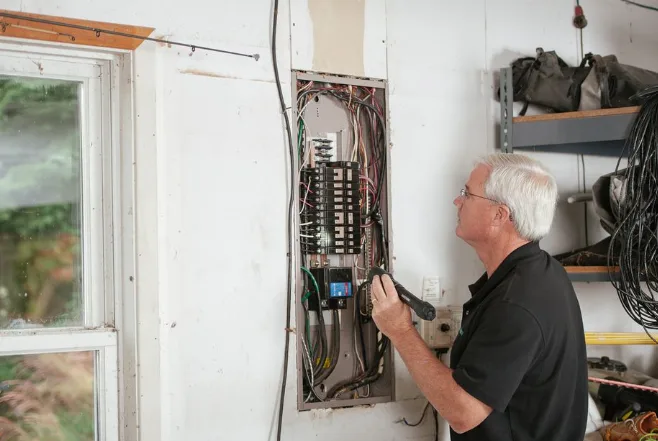
The Electrical Panel Tells a Bigger Story
An older panel, insufficient service capacity, damaged breakers, double-tapped connections where not permitted, or poorly labeled circuits can make troubleshooting more difficult. These conditions do not all mean a panel must be replaced, but they should be assessed by a qualified professional.
Think about how household demand has changed. Air-conditioning systems, kitchen appliances, computers, pool equipment, freezers, chargers, and home-office technology may all operate during the same period. Renovations, new appliances, or an electric vehicle charger can add further demand. An electrician can assess the service capacity, circuit loading, grounding, bonding, and protective devices before recommending changes.
Storms Make Prevention More Valuable
A storm-related power surge may not cause an immediate, obvious failure. Sensitive electronics and appliance control boards can be weakened and develop problems later. An internet router may become unreliable, an HVAC system may behave inconsistently, or a refrigerator component may fail after the weather event has passed.
Surge protection, appropriate grounding, and correctly rated outdoor equipment can help reduce exposure to electrical disturbances. A whole-home surge protective device may be worth discussing with an electrician, particularly if the home contains expensive electronics or equipment with sensitive controls. No protective device can prevent every possible failure, so the installation should be considered part of a broader safety plan.
If you are comparing electrician services in Tarpon Springs, look for a provider who can investigate existing faults as well as explain suitable preventive upgrades. Ask how the inspection will cover the panel, affected circuits, grounding, and outdoor components rather than focusing only on the symptom you first noticed.
The Warning Signs Rarely Look Urgent
Many electrical problems first appear as minor inconveniences. A breaker trips when several appliances run together. A bathroom light flickers briefly. An outlet works intermittently, or a switch makes a faint buzzing sound. These symptoms may indicate an overloaded circuit, a loose connection, deteriorating wiring, or a component that is beginning to fail. The CPSC’s home wiring hazard guide lists similar symptoms homeowners should not ignore, including overheating, buzzing, and repeated breaker trips.
Do not assume that separate symptoms have unrelated causes. Repeated breaker trips, warm outlets, discoloration, crackling, or a burning odor deserve prompt attention. Stop using an affected outlet or circuit if you notice heat, smoke, or a burning smell, and contact a qualified electrician. Avoid repeatedly resetting a breaker without identifying why it trips.
DIY Repairs Can Conceal the Actual Fault
Replacing a switch plate or changing a light fixture may appear straightforward, but electrical diagnosis is different from cosmetic maintenance. A buzzing switch, for example, could involve a loose terminal, a damaged device, an overloaded circuit, or a poor connection elsewhere in the wiring. Replacing the visible part may not correct the underlying cause.
Electrical work can also involve permits and inspections, depending on the scope and local requirements. Panel changes, new circuits, major renovations, and some exterior installations may require approvals. Work that is not completed correctly can create problems during an insurance claim, property sale, or inspection.
Avoid opening electrical panels or attempting repairs on energized wiring. If you are unsure what is causing a problem, leave the investigation to a licensed professional. The NFPA’s electrical safety guidance for the home explains why protective devices and safe electrical practices matter.
Upgrades Should Support Everyday Safety
Electrical improvements are not limited to decorative lighting or entertainment systems. Depending on the home and applicable code, useful upgrades may include GFCI protection in locations where it is required, AFCI protection for applicable circuits, dedicated circuits for high-demand appliances, improved panel capacity, and properly rated exterior wiring.
An electrician should explain which improvements address an existing hazard, which are needed for a planned appliance or renovation, and which are optional. That distinction helps you make decisions without feeling pressured into unnecessary work.
Choose an Electrician Who Explains the Whole Picture
Request a clear explanation of the findings and a written estimate that separates urgent safety repairs from recommended improvements. A complete replacement is not automatically necessary whenever a home has an older component. A good professional should explain the condition, the risk, and the available options in language you can understand.
Small Faults Can Disrupt More Than One Room
Electrical issues often affect other parts of daily life. A failing circuit can interrupt refrigeration, air conditioning, garage access, security equipment, or a home office. The eventual cost may include spoiled food, damaged appliances, lost work time, and emergency service—not just the repair itself.
Pay attention to recurring flickering, tripping breakers, buzzing, unusual heat, burning odors, or inconsistent power. These signs should not be ignored or treated as routine inconveniences. Prompt assessment can help identify the cause while the repair is still manageable.
Make Early Attention Part of Home Maintenance
A reliable electrical system should operate without drawing attention to itself. Periodic professional assessment is especially useful when buying an older property, planning renovations, adding major appliances, or noticing repeated warning signs. Keep records of repairs and upgrades so future electricians can understand what has changed.
The goal is not to replace every aging component or pursue every available upgrade. It is to understand the condition of the system, address genuine hazards, and plan improvements around actual household needs. Taking small electrical symptoms seriously can protect equipment, reduce disruption, and help prevent a manageable repair from becoming a much larger expense.