A Beginner’s Guide to Choosing the Right Paper and Finish for Flyers
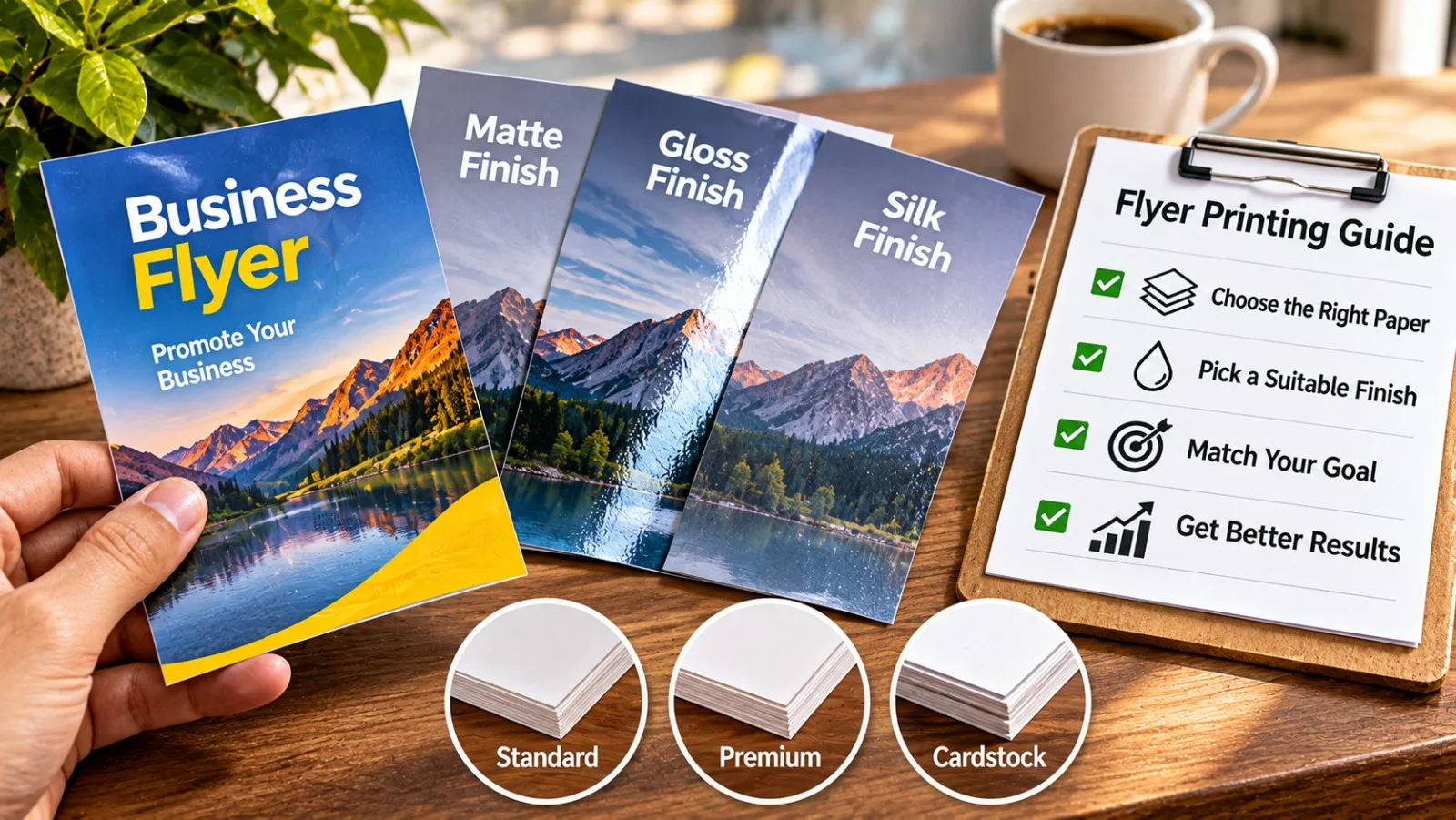
Flyers remain one of the most effective physical marketing tools available, offering a tangible connection between an organization and its target audience. While eye-catching graphic design and compelling copywriting are essential components of any successful campaign, the tactile experience of holding a flyer often dictates a recipient’s immediate perception of quality. A beautifully designed promotion can easily lose its impact if produced on flimsy paper, while an ordinary announcement can feel authoritative and memorable when produced on heavy, premium stock.
Understanding the technical specifications of paper stocks and finishes can initially seem overwhelming for beginners. Weight measurements, coating varieties, and texture differences all influence how ink settles onto the sheet and how the final piece feels in hand. Reviewing versatile business flyer printing solutions helps marketers and business owners identify the exact combination of materials that aligns with their campaign goals and budget constraints. When the physical substrate complements the visual design, promotional materials communicate value before the customer reads a single word.
Whether you are planning a widespread street distribution campaign or crafting an exclusive invitation for a corporate gathering, selecting the proper materials ensures your message is delivered with maximum impact. This guide breaks down the essential factors of paper weight, texture, and finishing techniques so you can make confident, informed printing decisions.
Understanding Paper Weight and Thickness
What Does GSM Mean?
Paper stock is commonly specified in grams per square metre, abbreviated as GSM. For the same paper type, a higher GSM number indicates a heavier and generally thicker sheet, which generally conveys durability, sturdiness, and prestige. Understanding this measurement allows you to gauge how rigid or flexible your finished flyer will be before placing an order.
Comparing Standard Paper Weights
Lightweight stocks typically range between 130 GSM and 170 GSM. These papers are flexible, cost-effective, and ideal for high-volume distributions such as letterbox drops, community noticeboards, or promotional parcel inserts. While they are lighter in weight, modern paper manufacturing ensures they hold vibrant colours cleanly without excessive show-through on double-sided prints.
Medium weights range from 200 GSM to 300 GSM. These stocks offer substantial sturdiness and a professional hand feel, making them perfect for retail point-of-sale displays, trade show collateral, and restaurant takeaway menus. They resist accidental creasing, stand upright in display holders, and convey a higher standard of craftsmanship.
Heavyweight stocks, often categorized as cardstock, start at 350 GSM and extend to 400 GSM or more. These thick boards provide unmatched rigidity and a luxury feel. They are the premier choice for VIP invitations, high-end real estate presentations, and keepsake event programmes where long-term durability and sophistication are paramount.
Selecting the Ideal Paper Finish
Gloss Finishes
A gloss coating provides a smooth, reflective surface that makes photographic imagery and vivid illustrations appear exceptionally vibrant. The reflective nature of gloss paper enhances contrast and saturation, making it particularly popular for entertainment events, product showcases, and hospitality promotions. One practical consideration with gloss paper is that it reflects direct light, which can create glare in bright environments, and it is difficult to write on with a standard ballpoint pen.
Silk and Matte Finishes
Matte paper features a non-reflective, flat surface that delivers a subtle, understated elegance. It is exceptional for text-heavy layouts and technical information because it eliminates glare, allowing recipients to read comfortably under any lighting condition.
Silk paper bridges the gap between gloss and matte. It provides a smooth, silky touch with a very mild sheen that brings out image clarity without the intense reflection of full gloss. Silk finishes are widely favored across corporate sectors, professional services, and premium retail brands seeking a polished presentation.
Uncoated Paper
Uncoated paper retains a natural, fibrous texture reminiscent of premium letterhead or artist sketch paper. It is highly absorbent, which lends printed colours a warm, vintage, or organic quality rather than a sharp, glossy shine. Uncoated paper is the best choice if you need recipients to write notes, fill out contact forms, or collect loyalty stamps on the printed piece.
Aligning Materials with Campaign Goals and Budget
Choosing the right combination of weight and finish ultimately comes down to your campaign purpose and target audience. For widespread leafleting, lightweight gloss or silk provides an economical way to reach thousands of potential customers without sacrificing visual quality. For boutique product launches or executive networking events, investing in heavy cardstock with a matte or soft-touch lamination sets an immediate tone of excellence.
By balancing tactile appeal, functional durability, and production costs, you can ensure your printed collateral captures attention and leaves a lasting, positive impression on every recipient.