How to Create a Balanced Yoga and Adventure Retreat Itinerary
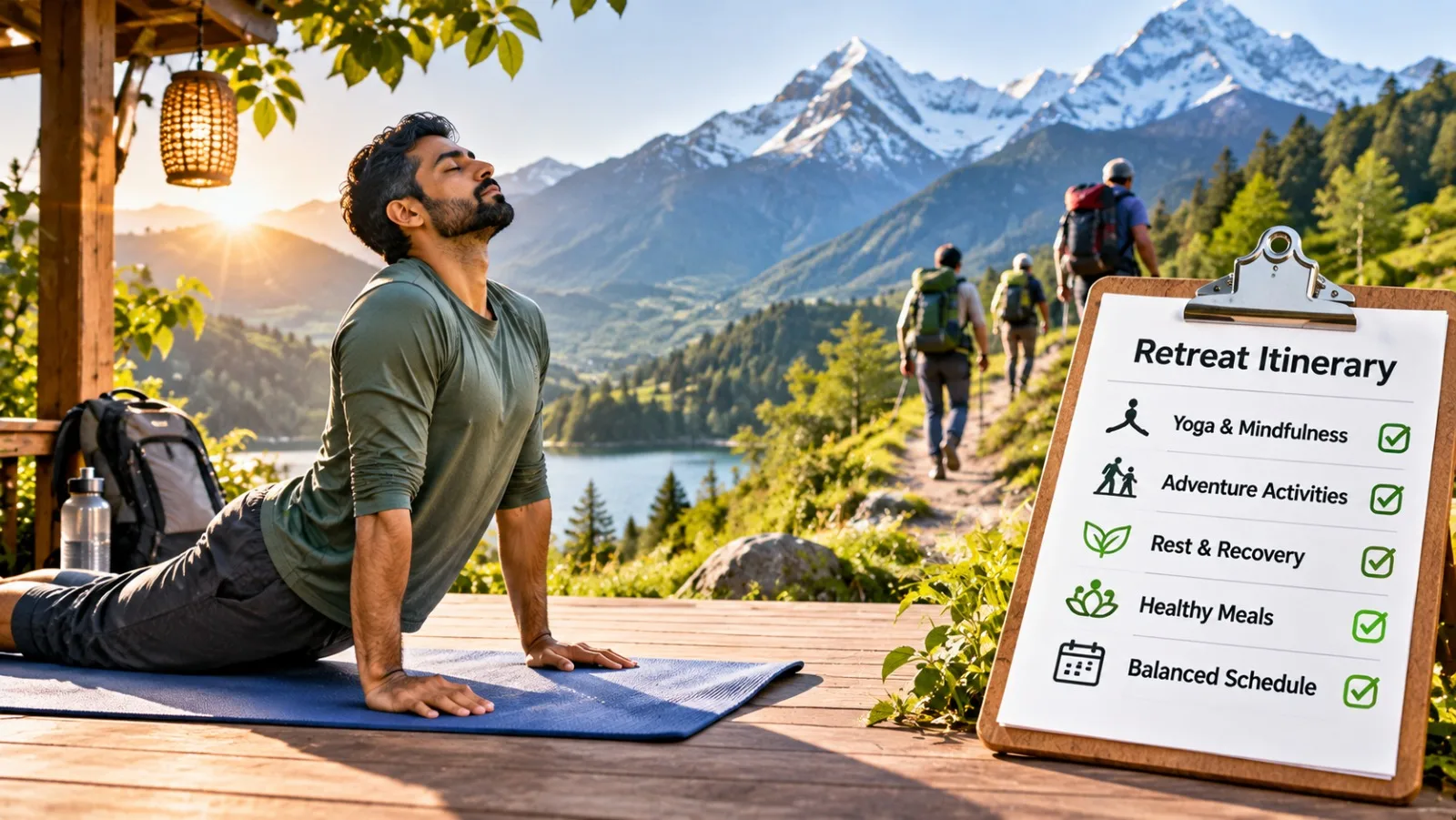
Modern wellness travelers increasingly seek experiences that extend beyond stationary meditation and studio practice. Today, retreat participants want an invigorating balance between deep mindful restoration and spirited exploration in nature. Designing an itinerary that harmonizes high-energy outdoor activities with calming somatic practices transforms a standard getaway into a life-changing journey. For retreat leaders and wellness entrepreneurs, achieving this delicate balance requires intentional pacing, a versatile location, and an intuitive understanding of group energy dynamics.
The secret to a rewarding retreat schedule lies in creating contrast without creating exhaustion. When selecting an environment that supports both focused stillness and outdoor thrills, partnering with specialized yoga and adventure retreats in Panama provides the ideal infrastructure for seamless transitions between land and sea. Having immediate access to world-class surf breaks, pristine marine parks, and dedicated open-air practice spaces allows facilitators to guide their students through varied physical landscapes while maintaining an overarching sense of sanctuary.
Establishing an Energizing Morning Cadence
The tone of each retreat day is established in the initial waking hours. Rather than rushing guests into intense physical exertion immediately after sunrise, design mornings that awaken the body progressively.
Begin with silent reflection, breathwork, or gentle mobility work accompanied by the sound of coastal breezes and birdsong. An energizing dynamic flow or vinyasa session can follow, invigorating participants before the tropical heat peaks. Aligning this early practice with a wholesome, nutrient-dense breakfast ensures that attendees feel properly fueled and centered, ready to take on the physical adventures planned for the middle of the day.
Integrating Ocean Adventures and Outdoor Excursions
The midday block offers prime opportunity for immersive adventure. In rich coastal ecosystems, this window can feature guided surf coaching, stand-up paddleboarding through tranquil mangroves, or boat trips to offshore islands for snorkeling among coral reefs.
To keep the experience enjoyable for all skill levels, organizers should collaborate with experienced local guides who prioritize safety and cultural education. Water activities challenge participants to confront personal boundaries, cultivate resilience, and practice presence outside the yoga shala. Surfing, for instance, serves as an active meditation, teaching students how to read natural rhythms and embrace unexpected shifts in balance.
Prioritizing Rest, Recovery, and Somatic Integration
A common pitfall for first-time retreat hosts is overpacking the calendar. True transformation takes place during periods of stillness, where the nervous system assimilates the physical challenges of the day.
After strenuous outdoor pursuits, protect unstructured downtime in the mid-afternoon. Guests need freedom to nap in a hammock, read by the pool, swim casually, or journal without adherence to a rigid timetable. Late afternoon sessions should intentionally pivot away from high intensity. Introduce restorative practices such as yin yoga, sound baths, guided yoga nidra, or joint-releasing stretches that directly soothe muscles fatigued from paddling and swimming.
Fostering Connection Through Nourishment and Community
Evening programming should draw the group together in a shared celebration of nourishment and dialogue. Communal dinners featuring fresh, locally caught seafood, tropical fruits, and vibrant plant-based dishes provide sustained energy while honoring the regional culinary heritage.
Facilitate organic connection by hosting low-pressure evening circles, stargazing sessions, or beachside bonfires. These shared moments allow travelers to process their daily breakthroughs, share laughter, and cultivate meaningful friendships. Avoid late-night demands on their attention so guests can rest deeply and wake refreshed for the next day of exploration.
Guiding Principles for Flexible Scheduling
Every group possesses its own collective personality, and individual energy levels fluctuate dramatically across a week-long journey. Build intuitive adaptability into your master itinerary from the very beginning.
Make all active excursions and specialized workshops optional so participants feel empowered to listen to their own bodily cues. When retreat leaders honor personal autonomy and prioritize restorative pacing alongside thrilling adventure, guests depart feeling physically revitalized, emotionally grounded, and deeply connected to the natural world.