Advanced Treatment Options for Chronic Nerve Pain in New Jersey
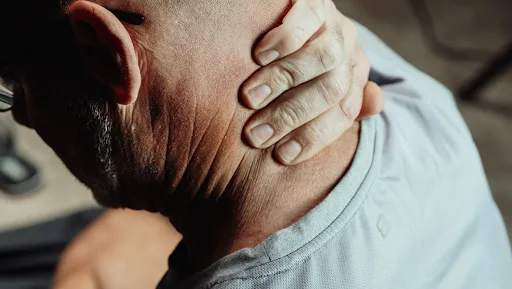
According to the National Institutes of Health’s 2023 chronic pain research initiative, nerve pain affects over 20 million Americans, yet traditional pain medications fail to provide adequate relief for nearly 40% of patients. As New Jersey’s healthcare system increasingly embraces precision medicine and interdisciplinary approaches, patients with chronic nerve pain now have access to advanced treatment modalities that were experimental just a decade ago. The challenge isn’t finding options — it’s understanding which combinations of cutting-edge therapies, from spinal cord stimulation to personalized pharmacogenomics, can address the complex mechanisms driving persistent nerve dysfunction. For individuals whose daily lives have been derailed by burning, shooting, or electric-shock sensations, navigating these evolving treatment landscapes can determine whether the next phase of life involves managing symptoms or genuinely reclaiming function.
What Causes Chronic Nerve Pain and How to Recognize It
Chronic nerve pain doesn’t emerge from a single malfunction — it develops when the nervous system’s protective mechanisms break down after injury, disease, or metabolic dysfunction. Unlike acute pain that signals immediate tissue damage, chronic nerve pain represents a fundamental rewiring of pain pathways, where damaged nerves continue firing distress signals long after the original injury has healed.
Diabetes stands as the most common culprit, with prolonged elevated blood sugar levels gradually destroying nerve fibers in a pattern called diabetic neuropathy. The damage typically begins in the longest nerves first — those reaching the feet and hands — which explains why patients often describe the classic “stocking and glove” distribution of burning pain and numbness. Post-surgical nerve damage presents differently, creating sharp, electric-like sensations along specific nerve distributions where surgical instruments or scar tissue compress healthy nerve pathways.
Autoimmune conditions add another layer of complexity. Conditions like multiple sclerosis, lupus, or rheumatoid arthritis trigger inflammatory cascades that attack the protective myelin sheaths surrounding nerve fibers. This process creates unpredictable patterns of pain, weakness, and sensory disturbances that can migrate throughout the body as the immune system continues its misdirected assault.
The hallmark symptoms extend beyond simple pain intensity. Patients frequently describe allodynia — where light touch from clothing or bedsheets triggers severe pain — and hyperalgesia, where normally painful stimuli become excruciating. Sleep disturbances emerge not just from pain intensity but from the nervous system’s inability to properly regulate sleep-wake cycles when pain pathways remain constantly activated. These neurological changes create a cascade effect: poor sleep intensifies pain perception, which further disrupts sleep, establishing a cycle that traditional pain medications struggle to break.
Early recognition becomes critical because nerve damage can be progressive. What begins as occasional tingling or mild burning can evolve into constant, severe pain that resists conventional treatment once central sensitization — the nervous system’s amplification of pain signals — becomes firmly established.
How Do Advanced Treatments Like Spinal Cord Stimulation Work
Spinal Cord Stimulation and Other Neuromodulation Therapies
Spinal cord stimulation fundamentally changes how pain signals reach the brain by introducing controlled electrical impulses directly into the spinal cord’s pain-processing pathways. The technology builds on the gate control theory — the principle that non-painful electrical signals can override pain transmission when both compete for the same neural pathways. Modern systems implant thin electrode leads in the epidural space, precisely targeting the dorsal columns where pain signals travel toward the brain.
The spinal cord stimulation procedure involves two distinct phases: a trial period using external leads to test effectiveness, followed by permanent implantation if patients achieve significant relief. Unlike earlier systems that produced noticeable tingling sensations, newer high-frequency and burst stimulation patterns work below the perception threshold while delivering superior pain relief.
Peripheral nerve stimulation offers an alternative for patients whose pain stems from specific nerve injuries. Rather than targeting the spinal cord, these systems place electrodes directly on affected peripheral nerves — the median nerve for carpal tunnel syndrome, or occipital nerves for certain headache disorders. The precision targeting often produces dramatic results for well-defined nerve injuries that haven’t responded to conventional treatments.
Deep brain stimulation represents the most advanced neuromodulation option, reserved for severe, treatment-resistant cases. Electrodes placed in specific brain regions can modulate the emotional and sensory processing centers that amplify chronic pain. While more invasive, this approach addresses the central sensitization that makes chronic nerve pain so persistent and difficult to treat with peripheral interventions alone.
Pharmacological and Non-Invasive Treatment Alternatives
Targeted medication protocols have evolved beyond traditional painkillers to address nerve pain’s unique mechanisms. Anticonvulsants like gabapentin and pregabalin specifically calm overactive nerve fibers by blocking calcium channels that trigger excessive firing. Tricyclic antidepressants work through dual mechanisms — boosting pain-inhibiting neurotransmitters while directly stabilizing nerve membranes.
Topical medications provide localized relief without systemic side effects. Prescription-strength capsaicin depletes substance P — the neurotransmitter that carries pain signals — from nerve endings, creating weeks of relief after brief, intense burning during application. Lidocaine patches block sodium channels in damaged nerve fibers, providing hours of relief for superficial nerve pain without affecting healthy surrounding tissue.
Radiofrequency ablation uses precise heat lesions to interrupt specific pain-transmitting nerves while preserving motor and sensory function. The procedure targets only the nerve fibers carrying pain signals, leaving normal sensation and movement intact. For patients with well-localized nerve pain from conditions like trigeminal neuralgia or post-surgical scarring, this minimally invasive approach can provide months of relief with minimal recovery time.
Scrambler therapy represents an emerging non-invasive option that uses external electrodes to deliver “non-pain” electrical signals through the same nerve pathways carrying chronic pain. The treatment essentially retrains the nervous system to interpret these pathways as carrying normal, non-threatening signals rather than persistent pain.
What Lifestyle and Holistic Approaches Help Manage Pain
Lifestyle Changes and Natural Remedies for Pain Relief
Exercise programming for nerve pain requires careful calibration — too little activity allows muscles to weaken and joints to stiffen, while excessive intensity can inflame damaged nerves further. Aquatic therapy provides an ideal middle ground, where water’s buoyancy reduces joint stress while hydrostatic pressure provides gentle compression that can calm overactive nerve endings. Progressive resistance training helps rebuild the muscle weakness that often accompanies chronic nerve pain, while yoga and tai chi address both physical flexibility and the stress response that amplifies pain perception.
Nutritional interventions target the inflammatory processes that perpetuate nerve damage. Alpha-lipoic acid supplementation has shown particular promise in diabetic neuropathy, with research suggesting it can slow progression while providing modest pain relief. B-vitamin complexes, especially B1, B6, and B12, support nerve healing and myelin repair, though patients must avoid excessive B6 intake, which can paradoxically cause nerve damage. Anti-inflammatory diets emphasizing omega-3 fatty acids, turmeric, and low-glycemic foods help reduce the chronic inflammation that sustains nerve pain.
Temperature therapy works through competing sensory pathways that can override pain signals. Controlled heat applications increase blood flow to damaged nerves while relaxing surrounding muscle tension. Cold therapy numbs acute flares while reducing inflammation, though patients with certain types of nerve damage may experience increased sensitivity to temperature extremes. Contrast therapy — alternating heat and cold — can be particularly effective for improving circulation in diabetic neuropathy.
Sleep optimization becomes critical because nerve pain disrupts normal sleep architecture, leading to reduced deep sleep phases where tissue repair occurs. Temperature-controlled sleeping environments, often cooler than normal preferences, can reduce the heat sensitivity many nerve pain patients experience. Elevation strategies for affected limbs can reduce nighttime swelling that compresses already damaged nerves.
Psychological Effects and Coping Mechanisms for Chronic Pain
Cognitive-behavioral therapy specifically addresses the thought patterns that amplify chronic pain perception. Catastrophic thinking — the tendency to expect the worst possible outcomes — directly correlates with increased pain intensity and disability levels. CBT teaches patients to recognize these thought patterns and develop more adaptive responses, often reducing functional disability even when pain levels remain unchanged.
Mindfulness-based stress reduction works through neuroplastic mechanisms, actually changing brain structure in regions that process pain and emotional responses. Regular meditation practice strengthens the prefrontal cortex’s ability to regulate the limbic system’s emotional responses to pain. For nerve pain patients, this translates to reduced emotional reactivity to pain flares and improved ability to engage in normal activities despite ongoing symptoms.
Social connection strategies become essential because chronic nerve pain often leads to isolation as patients withdraw from activities they once enjoyed. Support groups, both in-person and virtual, provide practical coping strategies from others who understand the unique challenges of invisible chronic pain. Family education helps loved ones understand that nerve pain differs from acute injury pain — it doesn’t improve with rest and may worsen unpredictably despite patients’ best efforts.
Stress management directly impacts pain intensity through the hypothalamic-pituitary-adrenal axis. Chronic stress elevates cortisol levels, which can increase inflammation and lower pain thresholds. Techniques like progressive muscle relaxation, controlled breathing exercises, and biofeedback provide patients with immediate tools for managing pain flares while building long-term resilience against the stress that perpetuates chronic pain cycles.
What Does the Latest Research Reveal About Future Treatments
Regenerative medicine approaches are transforming nerve pain treatment by addressing underlying nerve damage rather than just managing symptoms. Stem cell therapies using mesenchymal stem cells derived from bone marrow or adipose tissue show promise in promoting nerve regeneration and reducing inflammation. Clinical trials in New Jersey are investigating autologous stem cell injections for diabetic neuropathy, with early results suggesting actual nerve function improvement rather than temporary symptom relief.
Personalized pharmacogenomics represents a paradigm shift from trial-and-error medication management to precision prescribing based on individual genetic profiles. Genetic testing can now predict which patients will respond to specific anticonvulsants or antidepressants commonly used for nerve pain, while identifying those at risk for serious side effects. This approach is particularly relevant for nerve pain patients who often cycle through multiple medications before finding effective combinations.
Biomarker development aims to objectively measure nerve pain intensity and treatment response, moving beyond subjective pain scales that often fail to capture nerve pain’s complex nature. Researchers are investigating inflammatory markers, neuroimaging patterns, and even skin biopsy findings that could predict treatment success and guide therapy selection. These tools could revolutionize how clinicians monitor treatment progress and adjust protocols.
Combination therapy protocols emerging from current research emphasize multimodal approaches that address nerve pain’s multiple mechanisms simultaneously. Studies are examining how spinal cord stimulation combined with targeted physical therapy and personalized medication regimens can achieve superior outcomes compared to any single intervention. The integration of psychological support, nutritional optimization, and advanced medical treatments reflects a growing understanding that nerve pain requires comprehensive, coordinated care rather than isolated treatment attempts.
The convergence of these research directions suggests that effective nerve pain management in New Jersey will increasingly depend on early intervention with personalized, multimodal approaches — creating hope for patients whose current options remain limited while pointing toward a future where chronic nerve pain becomes a manageable condition rather than a life-altering disability.