What Happens If You Delay Root Canal Treatment?
The American Dental Association’s 2023 clinical guidelines reveal that nearly 85% of infected tooth pulps become irreversibly damaged when root canal treatment is postponed beyond six months — yet dental anxiety and cost concerns continue to drive treatment delays across the country. As emergency dental visits surge and same-day pain relief becomes increasingly difficult to secure, the window for preserving natural teeth through timely intervention continues to narrow for millions of Americans.
For anyone weighing the decision to postpone root canal therapy, understanding what actually happens inside an infected tooth during delays isn’t just academic — it’s the difference between saving a natural tooth and facing extraction. The choice to wait often stems from legitimate concerns about pain, cost, or time, but the biological reality of dental infection follows its own timeline, regardless of personal circumstances. What starts as manageable discomfort can rapidly progress to complications that eliminate less invasive treatment options entirely.
The stakes extend beyond immediate pain management. Each week of delay fundamentally alters the landscape of available alternatives, shifting the conversation from “How can we save this tooth?” to “What’s the best replacement option?” Understanding this progression — and the alternatives that remain viable at different stages — empowers better decision-making when facing this common dental dilemma.
What Are the Consequences of Delaying Root Canal Treatment?
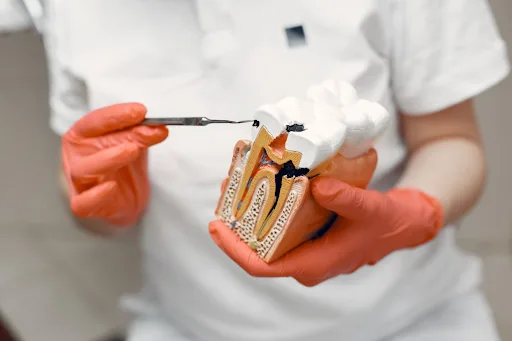
When infected dental pulp goes untreated, the bacteria don’t simply remain contained within the tooth’s root canal system. The infection actively spreads through the tooth’s apex into the surrounding jawbone, creating what dentists call a periapical abscess. This progression typically unfolds over weeks to months, with each stage making successful treatment more complex and reducing the viability of conservative alternatives.
The most immediate consequence involves the complete death of the tooth’s nerve and blood supply. While this might initially seem to solve the pain problem — and some patients do experience temporary relief as the nerve dies — it actually eliminates the tooth’s natural defense mechanisms. Dead tissue becomes an ideal breeding ground for anaerobic bacteria, which produce toxins that seep into the surrounding bone structure.
Bone destruction around the tooth’s root represents perhaps the most serious long-term consequence of delay. According to research published in the Journal of Endodontics, untreated endodontic infections can destroy significant amounts of supporting bone within 6-12 months. This bone loss doesn’t regenerate easily, even after successful treatment, and can compromise the tooth’s long-term stability. In severe cases, the infection can spread to adjacent teeth, requiring multiple extractions rather than a single root canal.
The structural integrity of the tooth itself deteriorates during delays. Infected teeth become increasingly brittle as the internal structure breaks down, making them more susceptible to fracture during eating or even routine brushing. Once a tooth fractures significantly below the gum line, even successful root canal therapy cannot restore its function, leaving extraction as the only viable option.
Perhaps most frustrating for patients, delayed treatment often transforms a straightforward root canal procedure into a more complex case requiring multiple visits, specialized techniques, or referral to an endodontist. What could have been resolved with standard therapy may require surgical intervention, such as apicoectomy, or prove impossible to save altogether.
How Do Root Canal Alternatives Compare When Treatment Is Delayed?
Once root canal treatment has been postponed, the range of viable alternatives depends heavily on how far the infection has progressed and how much tooth structure remains intact. The biological reality is stark: fewer options remain available with each passing month, and those that do exist often require more extensive procedures with less predictable outcomes.
For teeth in the early stages of pulp infection — typically within the first few weeks of symptoms — several conservative alternatives may still preserve the natural tooth. However, as the infection advances and the pulp becomes necrotic, these less invasive options quickly become ineffective, leaving patients with more complex surgical alternatives or extraction as the primary choices.
The key distinction lies between treatments that work with living pulp tissue versus those designed for completely infected or dead tissue. This biological checkpoint fundamentally alters which alternatives remain feasible, making timing the critical factor in treatment planning.
What Are the Differences Between Surgical and Non-Surgical Alternatives?
Non-surgical alternatives work best when some healthy pulp tissue remains, making early intervention essential. Pulp capping — where the dentist removes only the infected portion and seals the remaining healthy pulp — can succeed in recently infected teeth but fails once the entire pulp becomes necrotic. Similarly, partial pulpotomy procedures that remove infected tissue from the crown while preserving root pulp require living tissue to succeed.
These conservative approaches become impossible once infection spreads throughout the root system. The window for non-surgical alternatives typically closes within 4-8 weeks of initial symptoms, depending on the individual case and bacterial load.
Surgical alternatives enter consideration when non-surgical options are no longer viable but enough healthy bone structure remains to support the tooth. Apicoectomy — surgical removal of the infected root tip — can address cases where traditional root canal therapy has failed or appears unlikely to succeed due to complex root anatomy or extensive infection. This procedure requires adequate bone support around the root and typically follows rather than replaces root canal treatment.
Tooth extraction with immediate replacement options, such as dental implants or bridges, represents the most definitive surgical alternative. While this eliminates the infected tooth entirely, it requires sufficient bone volume for implant placement and healthy adjacent teeth if a bridge is considered. The options for root canal therapy become increasingly limited as infection progresses, making extraction a more likely outcome with extended delays.
Which Natural and Holistic Methods Help During Delay Periods?
Holistic approaches can provide valuable support for managing symptoms during treatment delays, though they cannot reverse established infection or replace definitive treatment. Oil pulling with coconut or sesame oil may help reduce bacterial load in the mouth and provide modest pain relief, though research on its effectiveness for deep tooth infections remains limited.
Ozone therapy represents one of the more promising natural adjuncts to conventional treatment. Some dental practitioners use ozone gas or ozonated water to help sterilize infected root canals, potentially improving the success rate of subsequent traditional treatment. However, ozone alone cannot address structural damage or extensive bone involvement that develops during delays.
Natural anti-inflammatory approaches — including turmeric, clove oil, and targeted nutritional support — can help manage pain and potentially slow infection progression, but they work best as temporary measures while arranging definitive care. Salt water rinses and maintaining excellent oral hygiene remain fundamental during delay periods, helping prevent secondary infections that could complicate treatment.
The critical limitation of natural approaches lies in their inability to address the mechanical aspects of infection — removing dead tissue and sealing the tooth structure. While these methods may provide symptom relief and general immune support, they cannot substitute for the physical cleaning and sealing that successful tooth preservation requires.
What Are the Long-Term Outcomes of Root Canal Alternatives Compared to Standard Treatment?
Research tracking treatment outcomes over 10-20 year periods reveals significant differences in success rates between root canal therapy and its alternatives, particularly when treatment has been delayed. The Journal of Endodontics’ 2023 longitudinal study found that teeth receiving timely root canal treatment maintain function in 85-90% of cases after a decade, while delayed cases show success rates dropping to 60-70%, depending on the extent of pre-treatment infection.
Extraction and replacement options produce more predictable outcomes in severely compromised teeth, but come with their own long-term considerations. Dental implants show excellent 15-year survival rates of approximately 92-95% according to recent clinical data, but require adequate bone volume and ongoing maintenance. The initial bone loss from delayed treatment can complicate implant placement, sometimes requiring bone grafting procedures that extend treatment time and increase costs significantly.
Bridge replacements for extracted teeth demonstrate solid longevity, with properly maintained bridges lasting 15-20 years in most cases. However, this option requires preparation of adjacent healthy teeth, potentially compromising their long-term health. The biological cost of involving neighboring teeth must be weighed against the benefits of avoiding implant surgery.
Perhaps most revealing is data on retreatment rates. Teeth that receive delayed root canal therapy require retreatment or eventual extraction at nearly twice the rate of those treated promptly. This pattern reflects the reality that extensive pre-treatment infection creates conditions that are more difficult to fully resolve, even with technically excellent treatment.
Conservative alternatives like pulp capping show excellent outcomes when performed early — success rates above 90% for appropriate cases — but become completely ineffective once pulp necrosis occurs. This stark divide underscores why timing matters more than the specific alternative chosen in many cases.
The economic implications compound over time. While delaying treatment might seem to save money initially, the need for more complex procedures, higher failure rates, and eventual retreatment often result in significantly higher lifetime costs compared to timely intervention.
What Do Experts Recommend for Decision-Making When Facing Delayed Root Canal Treatment?
Endodontists emphasize that treatment timing decisions should be based on objective clinical findings rather than symptom severity alone. Pain levels can be misleading — some severely infected teeth cause minimal discomfort as the nerve dies, while others with salvageable pulp cause intense pain. Diagnostic tools including percussion testing, cold sensitivity evaluation, and radiographic examination provide more reliable indicators of treatment urgency.
The concept of “diagnostic patience” has gained traction among practitioners dealing with uncertain cases. This approach involves closely monitoring borderline cases for 2-4 weeks with temporary measures while symptoms clarify, rather than rushing into irreversible procedures. However, this strategy only applies to specific clinical situations and requires professional oversight to prevent progression beyond salvageable stages.
Risk stratification plays a crucial role in expert decision-making frameworks. Patients with compromised immune systems, diabetes, or cardiovascular conditions face higher risks from untreated dental infections and may warrant more aggressive treatment timelines. Conversely, young patients with healthy immune responses might have slightly more flexibility in timing, though the window remains limited.
Financial considerations require honest discussion between patients and providers. Many dental offices offer payment plans or financing options that make immediate treatment more accessible than extended delays followed by more expensive interventions. The false economy of postponing care often becomes apparent only after more extensive treatment becomes necessary.
Expert consensus increasingly favors transparent communication about actual success probabilities based on current tooth condition rather than optimistic projections. This approach helps patients make informed decisions by understanding the realistic outcomes of both immediate treatment and further delay. The goal shifts from encouraging any particular treatment to ensuring patients understand the biological timeline they’re working within and the genuine alternatives available at their current stage of infection.
The decision ultimately becomes about accepting known risks of immediate intervention versus accepting the certainty of progressive damage from continued delay.