America’s Truckers Face a Summer Safety Emergency: New Data Reveals the Hidden Toll of Heat, Highways, and High‑Risk Conditions
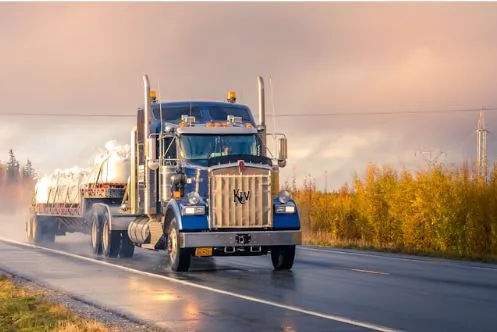
A sweeping analysis of summer trucking conditions across the United States reveals a growing safety crisis for commercial drivers. The study, compiled using national crash data, occupational injury research, and environmental heat trends, shows that rising temperatures are reshaping the risks truckers face on the road. Sweet James, which conducted the research, highlights how extreme heat, UV exposure, and mechanical strain converge to create a dangerous environment for drivers and the public.
Extreme Heat as a National Threat
Extreme heat remains one of the deadliest weather‑related hazards in the country, with more than a thousand deaths annually. As climate trends push temperatures higher, truckers face compounding risks. Heat affects both the human body and the machinery drivers rely on, creating a dual threat that intensifies during long summer hauls. The study notes that engine overheating, brake failures, battery issues, and fuel system complications become more common as temperatures rise.
Warming Roads and Rising Temperatures
Climate data shows that U.S. temperatures continue to climb, with some regions projected to experience summer increases of up to six degrees Fahrenheit. Even modest increases can significantly affect road conditions and driver performance. Hot asphalt softens, tires degrade faster, and cooling systems work harder. These environmental pressures contribute to a higher likelihood of crashes, mechanical breakdowns, and driver fatigue.
Injury Risks Increase with Heat
A major occupational injury study analyzing more than 845,000 cases found that workplace injury risk rises sharply once temperatures exceed 85 degrees. For truckers, who often work in direct sunlight and spend long hours in enclosed cabs, the danger is amplified. The research suggests that even moderate heat contributes to injury risk, with more than one percent of all occupational injuries linked to days above 70 degrees.
Cognitive Decline and Sun Exposure
Heat does more than strain the body—it affects the mind. Consecutive days of temperatures above 95 degrees can impair cognitive function, slowing reaction times and reducing alertness. The study also highlights the long‑term effects of UV exposure. One medical case involving a veteran truck driver showed severe sun damage on the left side of his face, illustrating how years of driving with sunlight streaming through the window can cause lasting harm.
UV Exposure by State
The study ranks states by average daily UV irradiance, revealing where truckers face the highest exposure. Southwestern states dominate the top of the list, with Arizona, New Mexico, and Hawaii leading. California ranks fifth, underscoring the intense sunlight drivers face in the region.
Highest UV Exposure States
| Rank | State | UV Irradiance |
| 1 | Arizona | 4,931 |
| 2 | New Mexico | 4,797 |
| 3 | Hawaii | 4,793 |
| 4 | Florida | 4,596 |
| 5 | California | 4,541 |
Lowest UV Exposure States
| Rank | State | UV Irradiance |
| 1 | Alaska | 1,957 |
| 2 | Vermont | 2,873 |
| 3 | New Hampshire | 2,921 |
| 4 | Maine | 2,937 |
| 5 | Massachusetts | 3,002 |
Personal Injury Cases Reveal the Human Cost
Several high‑profile cases illustrate the consequences of extreme heat. In Texas, a UPS driver collapsed and later died after suffering heat‑related symptoms. OSHA fined the company for failing to provide adequate medical access. Another case in New Mexico resulted in a $220 million verdict after a tire failure linked to heat caused a fatal crash. A separate lawsuit alleges that heat‑accelerated brake failures in certain trucks contributed to dangerous malfunctions.
UPS Drivers Sound the Alarm
A 2025 case study highlights the struggles of UPS drivers working in trucks without air conditioning. Workers reported cargo areas reaching temperatures as high as 152 degrees. Despite commitments to upgrade fleets, only a fraction of promised air‑conditioned vehicles were in service. Between 2015 and 2022, more than 140 UPS employees were hospitalized for heat‑related injuries.
Crash Data Shows Summer Danger
The study’s crash analysis shows that summer months consistently produce high numbers of truck crashes and fatalities. Between 2022 and 2026, June, July, and August each recorded more than 19,000 crashes. Fatalities also peaked during these months, with August topping the list.
Summer Crash Totals
| Month | Crashes | Fatalities |
| June | 19,475 | 1,695 |
| July | 19,446 | 1,653 |
| August | 20,403 | 1,789 |
Weather‑Related Crashes
Contrary to common assumptions, most weather‑related truck crashes occur during clear, warm conditions—not icy or snowy weather. Dry roads, hot pavement, and high temperatures create conditions that increase crash likelihood.
Regional Crash Hotspots
Southern and Midwestern states recorded the highest crash rates per capita in 2025. These regions combine heavy freight traffic with long rural highways and intense heat.
Highest Crash Rates per 100,000 Residents
| Rank | State | Crashes |
| 1 | Arkansas | 78.56 |
| 2 | South Carolina | 78.29 |
| 3 | Missouri | 76.64 |
| 4 | Georgia | 75 |
| 5 | Indiana | 71.65 |
Lowest Crash Rates
| Rank | State | Crashes |
| 1 | Alaska | 2.03 |
| 2 | Hawaii | 6.5 |
| 3 | Rhode Island | 9.89 |
| 4 | New York | 16.43 |
| 5 | Massachusetts | 19.37 |
Fatality Rates Reveal Stark Divides
Fatal truck crash rates show a similar regional pattern. States like South Dakota, Oklahoma, and Nebraska top the list, while Rhode Island and the District of Columbia recorded zero truck fatalities.
A Growing National Crisis
The study concludes that summer trucking is becoming increasingly dangerous as temperatures rise. Heat affects vehicle performance, driver health, and roadway conditions. UV exposure increases long‑term health risks, including skin cancer. Sweet James emphasizes that addressing these issues will require coordinated action from policymakers and transportation companies, including improved maintenance standards, better heat‑safety protections, and expanded access to air‑conditioned vehicles.