
Are Digital Features Changing How We Use Our Cars?
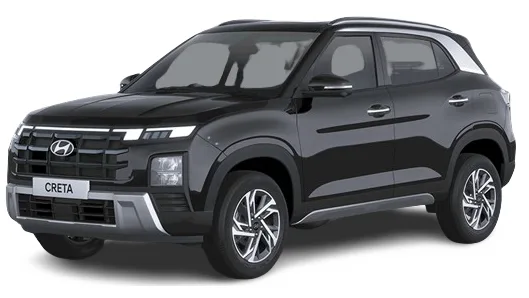
Cars have evolved from simple modes of transportation into increasingly connected machines. Touchscreen infotainment systems, smartphone integration, voice commands and remote vehicle controls are changing how drivers interact with their vehicles.
Today, digital technology isn’t just about entertainment. It can help with navigation, vehicle monitoring, parking and everyday convenience.
The Hyundai Creta and Maruti Suzuki Grand Vitara demonstrate how digital features are becoming an important part of the modern SUV experience.
Touchscreens Are Becoming the Centre of the Cabin
Traditional car dashboards relied on physical buttons and analogue instruments. Modern vehicles increasingly combine multiple functions within digital interfaces.
The Hyundai Creta offers a 10.25-inch touchscreen infotainment system and a 10.25-inch digital instrument cluster on applicable variants. These displays provide access to navigation, entertainment and driving information.
The Maruti Suzuki Grand Vitara offers a 9-inch SmartPlay Pro+ touchscreen infotainment system, along with a 7-inch multi-information display on selected variants.
These technologies allow drivers to access several functions through integrated interfaces.
However, ease of use remains important. Frequently used controls should be accessible without distracting drivers from the road.
Connected Cars Are Changing Ownership Habits
One of the biggest changes in modern vehicles is the ability to interact with them remotely.
The Creta offers Hyundai Bluelink with more than 70 connected features, including remote vehicle functions and Home-to-Car connectivity through Alexa on applicable variants.
The Maruti Suzuki Grand Vitara offers Suzuki Connect with more than 40 connected features, including vehicle tracking, remote door locking, vehicle status monitoring and driving behaviour reports.
These systems can help owners check vehicle information and access selected functions through compatible smartphones.
For example, remotely checking a vehicle’s location or monitoring its status can make everyday ownership more convenient.
However, connected functions may depend on network availability, subscriptions and compatible devices.
Smartphones Are Becoming Part of the Driving Experience
Smartphone integration has changed how drivers access navigation, communication and entertainment.
Both SUVs offer Android Auto and Apple CarPlay connectivity on applicable variants, allowing compatible smartphone applications to appear on the vehicle’s infotainment display.
The Creta also offers wireless smartphone charging and multiple USB charging ports on selected variants.
The Grand Vitara provides a wireless charging dock and smartphone connectivity through its SmartPlay infotainment system.
These features reduce the need for separate navigation devices and make familiar smartphone applications accessible through the vehicle’s interface.
Digital Research Is Changing How We Buy Cars
Digital technology is influencing the car-buying process as well as the ownership experience.
Instead of relying entirely on dealership visits, buyers can research vehicles, compare specifications and evaluate different variants online.
Platforms such as ACKO Drive allow buyers to explore SUVs such as the Hyundai Creta and Maruti Suzuki Grand Vitara, compare features, specifications and prices, and identify suitable configurations.
Once the preferred model has been selected, buyers can also purchase a new car online through ACKO Drive, making the journey from research to purchase more convenient.
This allows buyers to make more informed decisions before visiting a showroom or finalising their purchase.
Digital Safety Features Are Supporting Drivers
Technology is also changing how vehicles assist drivers in potentially challenging situations.
The Hyundai Creta offers Level 2 ADAS through Hyundai SmartSense on higher variants. Features include Forward Collision-Avoidance Assist, Lane Keeping Assist, Blind-Spot Collision-Avoidance Assist and Smart Cruise Control with Stop & Go.
The Grand Vitara offers digital assistance through features such as a 360-degree camera, a tyre pressure monitoring system, and a head-up display on applicable variants.
These technologies provide useful information and assistance during driving.
However, they should complement attentive driving rather than replace the driver’s responsibility.
Voice Commands Are Reducing Manual Interactions
Voice-enabled technology allows drivers to access selected functions without navigating through multiple menus.
The Creta offers embedded voice recognition and Home-to-Car functionality through Alexa on applicable variants.
The Grand Vitara’s SmartPlay Pro+ infotainment system includes an advanced voice assistant for supported functions.
These features can make certain interactions more convenient, particularly when drivers want to access information or compatible controls without using the touchscreen.
However, voice recognition accuracy can vary depending on background noise, connectivity and supported commands.
Vehicle Information Is Becoming More Accessible
Digital features also help owners understand how their vehicles are being used.
The Creta’s Bluelink technology provides access to connected-vehicle functions and information via compatible devices.
The Grand Vitara’s Suzuki Connect system offers trip summaries, driving behaviour reports, vehicle status information and location-based services.
Such information can help owners monitor journeys, review driving patterns and stay informed about their vehicles.
This represents a shift from cars being purely mechanical products to connected systems that provide useful information throughout the ownership period.
Are Digital Features Always Better?
Although digital technology offers several advantages, more features don’t necessarily guarantee a better driving experience.
Complex touchscreen menus, connectivity problems and excessive notifications can sometimes make simple tasks more difficult.
Buyers should therefore consider how intuitive a system feels, whether essential controls are easily accessible and how frequently they will use connected features.
A well-designed digital interface should simplify driving rather than introduce unnecessary distractions.
Final Thoughts
Digital features are changing how people interact with their cars, from everyday navigation and entertainment to remote vehicle monitoring and driver assistance.
The Hyundai Creta demonstrates this evolution through Bluelink connectivity, integrated digital displays, voice recognition and advanced driver-assistance technology.
The Maruti Suzuki Grand Vitara offers its own connected experience through Suzuki Connect, SmartPlay Pro+ infotainment and digital driving information.
Ultimately, the real value of digital technology lies not in the number of features available, but in how effectively those features make driving and ownership more convenient, informative and enjoyable.