Avoid These Costly Mistakes With Square Sunglasses
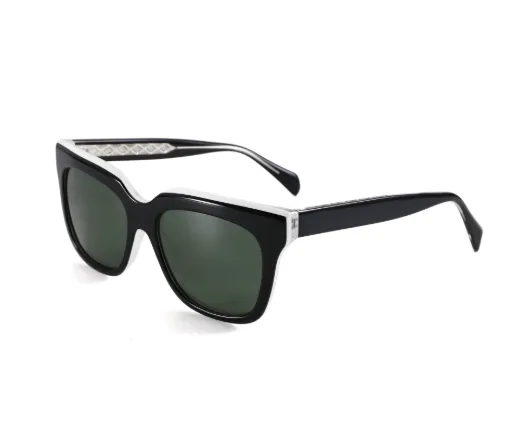
Square sunglasses have a way of making almost any outfit look sharper, more deliberate, and effortlessly modern. Their clean lines and bold angles carry a confidence that rounder frames rarely match. Yet for all their popularity, they are also one of the easiest styles to get wrong. Shoppers routinely fall for a look on someone else’s face, only to discover the same frames feel bulky, unbalanced, or oddly proportioned on their own. Others focus so heavily on appearance that they overlook lens quality, fit, and durability, ending up with a pair that disappoints within weeks. Before you commit to a new pair, it pays to understand where buyers go wrong. This guide walks through the traps that quietly ruin an otherwise smart purchase, so you can shop with clarity and end up with frames that actually work for your face, your lifestyle, and your eyes.
Ignoring Your Face Shape Before You Buy
The single biggest mistake people make is choosing square frames purely because they saw them trending, without asking whether the style suits their features. Square sunglasses tend to flatter faces with softer, rounder contours because the strong horizontal and vertical lines add definition and structure. On the other hand, someone with an already angular or square face can find that matching square frames amplify hardness rather than balance it. That does not mean angular faces should avoid them entirely, but it does mean paying attention to proportions, curvature, and how the frame edges sit against the cheekbones and jawline.
A reliable way to test this is to view yourself from multiple angles rather than a single straight-on mirror shot. Turn slightly, tilt your chin, and check whether the frames widen or narrow the appearance of your face in a way you like. Many people also underestimate how much frame width matters. If the outer corners of the sunglasses extend well past the width of your face, they will look oversized and cartoonish; if they pinch inward, they crowd your features. Aiming for frames that align roughly with the widest part of your face gives you a balanced, intentional look. When you browse a curated collection of Square sunglasses, take time to compare a few widths and depths rather than settling on the first pair that catches your eye.
Treating Lenses as an Afterthought
It is easy to be seduced by the frame and forget that the lenses are doing the real protective work. A stylish square silhouette means little if the lenses fail to block harmful ultraviolet rays. Many bargain sunglasses offer tinted lenses that darken your view without providing genuine UV protection, and this can be worse than wearing nothing at all. Dark lenses cause your pupils to dilate, letting in more light, so inadequate UV filtering exposes your eyes to increased radiation. Always confirm that a pair blocks the full spectrum of harmful rays before you consider anything else.
Beyond protection, think about lens material and finish. Polarized lenses cut glare from roads, water, and reflective surfaces, which makes a genuine difference for driving and outdoor activities. Scratch-resistant coatings extend the life of your investment, while anti-reflective treatments reduce distracting bounce-back on the inner surface. If you spend long hours outdoors, these features matter far more than a trendy color. Skipping them to save a little money often leads to squinting, eye strain, and a replacement purchase sooner than you expected.
Assuming All Frames Fit the Same Way
Another common trap is treating fit as a minor detail. Square frames have a defined structure, and when they sit incorrectly, the flaws show immediately. Sunglasses that slide down your nose, pinch behind your ears, or leave marks on your temples will never feel comfortable no matter how attractive they appear in photos. Pay close attention to the bridge, since a bridge that is too narrow squeezes the nose while one that is too wide lets the frames droop. Adjustable nose pads can help, but the base fit should feel natural from the start.
Temple length and hinge quality also influence comfort over a full day of wear. Cheaply made hinges loosen quickly, causing frames to wobble, while overly stiff arms create pressure points. When trying on square sunglasses, gently move your head side to side and look down to see whether they stay put. A good pair should hold its position without gripping. If you buy online, check the frame measurements against a pair you already own and trust, so you can predict how the new ones will sit before they arrive.
Matching the Wrong Lens Tint to Your Environment
Lens color is not just a cosmetic choice, and picking the wrong shade for how you actually spend your days is a mistake that quietly undermines comfort. Grey tints preserve true color perception and dim brightness evenly, which makes them a safe all-purpose option for driving and bright city streets. Brown and amber lenses boost contrast and depth, so they shine on overcast days, on the trail, or during activities where judging distance matters. Green tints strike a middle ground, reducing glare while keeping colors reasonably faithful. Buyers who ignore this often end up with a pair that looks great but strains their eyes in the very conditions they wear it most.
Consider how light changes across your typical week before you settle on a tint. A commuter facing low winter sun has different needs from a weekend cyclist or someone who works near water. Mirrored coatings can help in intense glare but may feel too dark indoors or at dusk, while lighter gradient lenses ease the transition between shade and sunlight. If you want a single pair to cover many situations, a versatile grey or brown lens paired with reliable polarization usually delivers the fewest compromises. Thinking through these details up front spares you the frustration of owning frames that only work half the time.
Chasing Trends Over Personal Style
Trends move fast, and it is tempting to buy whatever dominates social feeds this season. The problem is that a frame designed for maximum visual impact in a photo may not match your everyday wardrobe or the settings where you actually wear sunglasses. A pair of dramatic, oversized square frames might look striking on a runway but feel out of place at the office or on a casual weekend errand. Before buying, picture the real scenarios in which you will wear them and ask whether the style holds up across those moments.
Color and finish deserve the same scrutiny. A glossy, brightly colored frame can be fun, yet a versatile tortoiseshell, matte black, or subtle metallic tone tends to coordinate with far more outfits. This does not mean you should always play it safe, but it helps to own at least one pair that works everywhere before experimenting with bolder choices. Thoughtful eyewear brands such as ZENOTTIC design square frames that balance contemporary shape with wearable neutrality, which makes it easier to find a pair you will reach for again and again rather than one that gathers dust after the novelty fades.
Forgetting Prescription Needs and Everyday Practicality
Many shoppers who wear corrective lenses buy square sunglasses on impulse, only to realize the frame cannot accommodate their prescription comfortably. Strong prescriptions can look distorted or unusually thick in a shallow square lens, and some budget frames are simply not built to hold corrective optics without warping. If you rely on glasses to see clearly, confirm that the frame supports prescription lenses, has enough vertical depth, and uses a lens shape that keeps the edges reasonably slim. Otherwise you are left choosing between style and sight, which defeats the purpose of the purchase.
Practicality extends beyond prescriptions, too. Think about how a pair fits into ordinary routines: whether the arms sit cleanly under a hat or helmet, whether they clash with earbuds, and whether they tuck easily into the bag you carry every day. People who commute, exercise, or travel frequently benefit from frames that tolerate a little rough handling and stay secure during movement. A pair that looks flawless in the mirror but slips during a jog or presses uncomfortably during a long drive will quietly fall out of rotation. Weighing these small realities before you buy ensures your square sunglasses earn a permanent spot in daily life.
Overlooking Build Quality and Care
Finally, buyers frequently judge sunglasses by appearance alone and ignore how they are made. Frame material affects weight, flexibility, and longevity. Lightweight acetate offers rich color and a comfortable feel, while quality metal alloys provide a sleek, slim profile with sturdy resilience. Flimsy plastics may look identical in a listing photo but crack, warp in heat, or discolor over time. Inspect the finishing details, such as how the arms meet the front and whether the hinges feel solid, because these small signals reveal the overall craftsmanship.
Care habits extend the life of even the best frames. Storing sunglasses in a protective case rather than tossing them into a bag prevents scratches and bent arms. Cleaning lenses with a microfiber cloth instead of a shirt hem avoids micro-abrasions that dull clarity. Keeping them out of hot cars protects both frame shape and lens coatings. When you treat a well-built pair with a little respect, it rewards you with years of reliable use, which makes the initial care in choosing quality frames genuinely worthwhile.
Shopping Smarter for Frames That Last
Square sunglasses can be one of the most flattering and versatile additions to your wardrobe, but only when you sidestep the mistakes that trip up so many shoppers. By matching the frame to your face shape, insisting on genuine UV and glare protection, prioritizing a comfortable fit, choosing style over fleeting trends, and respecting build quality, you set yourself up for a purchase that feels right long after the excitement of buying fades. The best pair is not simply the one that looks impressive in a single photo; it is the one that protects your eyes, complements your features, and holds up to daily life. Take your time, ask the right questions, and you will end up with square sunglasses you genuinely love to wear.