How to Choose Symbolic Jewelry Without Treating Tradition as Decoration
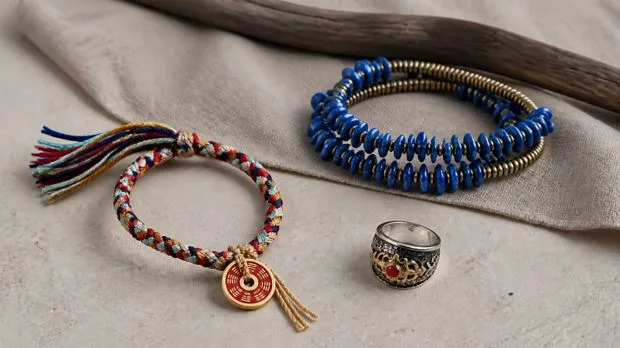
You wear a pendant because its shape caught your eye, and someone compliments it — then mentions, in passing, that it’s actually tied to a specific ceremonial tradition you know nothing about. The question changes in that moment: not “do I like it,” but “what am I choosing to communicate?” Symbolic jewelry can be personally meaningful without reducing tradition to decoration, provided curiosity comes before certainty.
Begin With Context, Not a Promised Effect
Start by asking what the symbol is called, where it’s used, and whether its meaning changes across communities. A shop label may compress a long and contested history into a single promise — protection, luck, healing — and that promise is not a substitute for context.
Research should leave room for disagreement. If different sellers, community sources, or reference material describe a symbol differently, it’s worth noting the disagreement rather than repeating whichever version sounds most dramatic. Uncertainty isn’t a flaw in the purchase; it’s a reason to wear the piece with some humility about what you actually know.
Separate Personal Meaning From Claims
A piece can remind you of steadiness, compassion, a family relationship, or a period of change, and that personal association belongs to you. It doesn’t prove that a material or symbol produces health, wealth, protection, good fortune, or any other guaranteed outcome.
This distinction also improves how you talk about the jewelry. “I wear this as a reminder to pause” is a personal statement. “This symbol guarantees protection” turns a tradition into an unsupported promise. Sellers who describe symbolism as history, belief, or interpretation give you more useful information than those who present an effect as certain.
Verify the Object and the Seller’s Language
Meaning and provenance are separate questions. A metal hallmark may indicate composition or fineness under a particular marking system, but it doesn’t identify a cultural community, maker, or place of production. Likewise, terms like “tribal style,” “ancient,” or “temple” are descriptive language, not provenance records.
Claims about Indigenous authorship deserve particular care. In the United States, the Indian Arts and Crafts Act is a truth-in-advertising law that prohibits falsely marketing art or craftwork as Indian-made, and the U.S. Department of the Interior advises buyers to ask for written verification when a seller makes that claim.
Before buying, look for answers to a few practical questions:
- Who made it? Look for a named maker, workshop, or clearly described production context rather than an implied cultural identity.
- What is it made from? Check whether the listing distinguishes stone, glass, resin, plated metal, solid metal, wood, cord, and other components.
- What is documented? Treat a hallmark, material description, maker statement, and origin statement as different kinds of evidence.
- What remains unknown? A careful seller should be able to say when an exact origin, date, or interpretation can’t be confirmed.
Consider the Wearing Context
Not every culturally rooted design has the same boundaries. Some motifs circulate widely in everyday jewelry; other objects may identify a religious role, family, community, or ceremonial setting. Avoid treating any single rule — “this symbol is always safe to wear” or “this object must always be handled one way” — as universal.
Instead, ask whether the object was designed for ordinary wear, devotional use, or a specific social role. If it resembles a ritual implement, an insignia, or an item associated with initiation or authority, it’s worth seeking guidance from a relevant community or institution before wearing it casually. When that guidance isn’t available, choosing a material-led design over a highly specific sacred emblem is a reasonable alternative.
Care is part of respectful ownership, but it starts with the actual materials. Follow the seller’s material-specific instructions, keep the piece dry if its cord, finish, or adhesive requires it, and store it so metal and stone surfaces don’t scratch one another. Don’t invent ritual handling rules for an item whose religious status hasn’t actually been established.
Choose Gifts With More Restraint
A symbol that feels meaningful to you may not carry the same meaning for the recipient. Before giving symbolic jewelry, consider the person’s beliefs, cultural connection, workplace, and comfort with explaining the piece. Include the maker or seller’s factual description when it’s available, but don’t assign the recipient a spiritual identity or promise them an outcome.
If you’re comparing contemporary jewelry influenced by Eastern aesthetics, Buddha Auras is one place to see how materials and symbolic forms appear in modern accessories. The same questions apply there as anywhere else: distinguish description from promise, examine the stated materials, and decide whether the design actually fits your own wearing context.
A Respect-First Decision
The most responsible choice isn’t necessarily the piece with the longest origin story. It’s the one you can describe honestly — what you know about its symbol, what you know about its maker and materials, what the piece means to you, and what remains uncertain.
That approach doesn’t remove beauty or personal reflection from symbolic jewelry; it gives both a sturdier foundation. Research before buying, avoid guaranteed effects, pay attention to context, and stay willing to listen when someone with closer cultural knowledge offers a correction.