Avoid These Mistakes with Ride-On Toy Warranty and Care
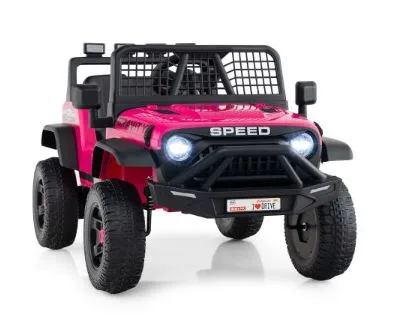
Few things match the pure joy on a child’s face when they first climb behind the wheel of their own ride-on toy. For parents of kids aged five and older, these battery-powered vehicles represent a significant investment—one that promises hours of outdoor adventure, independence, and skill-building. But that excitement can quickly turn to frustration when a motor fails, a battery dies prematurely, or a wheel cracks, only to discover that a simple oversight has voided the warranty or that neglected maintenance caused the problem entirely.
The truth is, most ride-on toy issues parents encounter are preventable. From mishandling warranty claims to skipping basic upkeep routines, small mistakes lead to costly repairs or premature replacements. This guide tackles the critical errors parents make with ride-on toy warranty management and care practices, offering clear, actionable solutions to protect your purchase. Whether you’re shopping for a high-speed model built for older kids or maintaining one already in your garage, you’ll learn how to maximize durability, preserve value, and keep the ride going strong for years to come.
Top 5 Toy Car Warranty Mistakes Parents Make (And How to Fix Them)
A toy car warranty exists to protect your investment, yet most parents unknowingly sabotage their own coverage through avoidable errors. Understanding what can go wrong—and how to prevent it—saves both money and headaches when something breaks down.
The first and most common mistake is failing to register the warranty. Many manufacturers require online registration within 30 days of purchase, and skipping this step can mean forfeiting coverage entirely. The fix is simple: register the product the same day it arrives, and save the confirmation email. Second, parents frequently misinterpret coverage limits, assuming that cosmetic damage, wear-and-tear items like tires, or user-inflicted damage fall under protection. Always read the full terms document rather than relying on the summary card in the box.
Third, missing claim deadlines catches many families off guard. If you notice a defect, report it immediately—waiting weeks or months can push you past the filing window. Fourth, ignoring the seller’s return policy is a costly oversight. Some retailers offer separate return windows that provide faster resolution than going through the manufacturer, especially within the first two weeks. Fifth, parents often assume all electrical and mechanical failures are covered, when in reality, damage caused by improper charging, water exposure, or exceeding weight limits typically voids the toy car warranty altogether.
The overarching solution is documentation. Keep your purchase receipt, photograph the product upon arrival, store warranty paperwork digitally, and contact the manufacturer at the first sign of trouble rather than attempting DIY repairs that could invalidate your claim.
Step-by-Step Guide to Navigating Warranty Claims
When an issue arises, acting quickly and methodically makes the difference between a smooth resolution and a denied claim. Start by documenting the problem thoroughly—take clear photos or video showing the defect, and note when you first observed it. Next, gather your proof of purchase, warranty registration confirmation, and any correspondence with the seller. Check the warranty period to confirm you’re still within the coverage window, accounting for the purchase date rather than the date you started using the toy. Then contact customer service through the manufacturer’s official channels, referencing your registration number and providing all documentation upfront. Be specific about the defect and request a clear timeline for resolution. Finally, follow up within the timeframe they provide. If you don’t hear back, escalate politely by requesting a supervisor or submitting a written complaint. Keeping a log of all interactions—dates, names, and reference numbers—strengthens your position and speeds up the entire process considerably.
Essential Kids Ride-On Car Maintenance Tips for Longevity
Even the most rugged ride-on toy won’t survive long without consistent upkeep. Parents often invest heavily in a quality vehicle only to watch it deteriorate within a single season because basic kids ride-on car maintenance was overlooked. The good news is that keeping these machines running smoothly doesn’t require mechanical expertise—just awareness of a few critical areas and a commitment to regular attention.
Battery care tops the priority list. The single fastest way to kill a ride-on toy’s battery is leaving it on the charger indefinitely or letting it drain completely before recharging. Both habits degrade battery cells and shorten lifespan dramatically. Instead, charge the battery after each use session and disconnect it once the indicator shows full. During off-seasons or extended breaks, charge the battery once every four to six weeks to maintain cell health, and store it in a cool, dry location away from temperature extremes.
Tire and wheel upkeep is another area parents neglect until something fails. Inspect wheels monthly for cracks, loose axle connections, or debris wrapped around the axle shaft. For rubber-tired models, check tread wear and ensure tires remain properly seated on rims. Electrical system checks matter too—look for frayed wires, corroded connectors, or loose plug connections at the motor and battery terminals. A quick visual inspection catches small problems before they cascade into expensive failures.
Cleaning routines protect both function and appearance. After muddy or dusty rides, wipe down the chassis, clear dirt from wheel wells, and dry any moisture around electrical components. Never hose down a ride-on toy directly, as water intrusion into the motor housing or battery compartment causes irreversible damage. For storage, keep the vehicle indoors or under a fitted cover to prevent UV degradation of plastic panels and moisture accumulation in sensitive areas. Consistent kids ride-on car maintenance transforms a two-season toy into one that lasts four or five years with confidence.
Monthly Maintenance Checklist for Parents
Setting aside twenty minutes once a month prevents the vast majority of ride-on toy breakdowns. Start by testing the battery—charge it fully, then observe whether the vehicle maintains consistent speed during a short drive or slows noticeably, which signals declining capacity. Next, tighten all visible screws and bolts, paying special attention to the steering column, seat mount, and wheel hubs, since vibration loosens hardware gradually over time. Inspect brake function by engaging the brake on a slight incline to confirm the vehicle holds position. Check all lights, sounds, and dashboard features to catch electrical gremlins early. Wipe down all surfaces with a damp cloth, removing grime buildup that can work its way into seams and joints. Finally, examine the body for new cracks or stress marks, particularly around mounting points where structural loads concentrate. This simple routine catches emerging issues when they’re still minor adjustments rather than warranty claims or replacement purchases, extending the functional life of the toy significantly.
How to Buy Kids Car Online Safely and Smartly
Shopping for a ride-on toy from your couch offers convenience, but it also introduces risks that don’t exist in brick-and-mortar stores. When you buy kids car online, you can’t test the build quality, inspect welds, or feel the weight of the chassis—all indicators of durability that matter enormously for vehicles designed for older, more adventurous children. Yet with the right approach, online purchasing becomes not just safe but advantageous, giving you access to wider selections, honest user feedback, and competitive pricing.
Start by researching the brand thoroughly before adding anything to your cart. Established manufacturers with dedicated customer service teams, accessible replacement parts, and clear warranty documentation signal reliability. Retailers like Costway-AU that offer a broad range of ride-on toys alongside transparent product specifications and warranty details make it easier to compare options and verify what you’re getting. Avoid unknown brands with no web presence beyond a single marketplace listing—these often disappear when you need support. Next, read reviews strategically. Filter for feedback from parents with children in your kid’s age and weight range, and pay attention to comments about longevity after six months or more of use rather than initial impressions alone. Look specifically for mentions of motor durability, battery lifespan, and frame integrity under heavier riders.
Verify seller credibility by checking whether they’re an authorized dealer. Purchasing from unauthorized third parties can void the manufacturer’s warranty entirely, leaving you unprotected. Trusted websites display authorization badges, offer direct manufacturer warranties, and provide transparent return policies—confirm these details before checkout. Compare return windows across sellers, since a 30-day hassle-free return policy gives you time to identify defects that might not appear on day one. When evaluating the product itself, prioritize features that serve school-aged children: reinforced frames, higher weight capacities, adjustable speed settings, and metal axles rather than plastic. These durability markers determine whether the vehicle survives years of enthusiastic use or falls apart after one summer.
Maximizing Value with Promotions for Ride-On Toys
Smart parents know that paying full retail isn’t always necessary—but chasing deals without strategy can backfire. Promotions for ride-on toys appear frequently throughout the year, and knowing how to leverage them without sacrificing quality or warranty protection puts more money back in your pocket while still securing a durable vehicle your child will love.
Timing is everything. Major shopping events like Black Friday, back-to-school sales, and end-of-summer clearances consistently deliver the deepest discounts on ride-on vehicles. Manufacturers also run promotions when launching new models, discounting previous versions that remain perfectly capable. Sign up for email newsletters from brands and authorized retailers you trust—subscribers often receive early access to sales or exclusive coupon codes unavailable to general shoppers. Set price alerts through browser extensions or deal-tracking apps on specific models you’ve already researched, so you’re notified the moment a price drops rather than impulse-buying an unfamiliar product simply because it’s marked down.
However, promotions for ride-on toys require careful evaluation. A discounted vehicle from an unauthorized reseller may ship without manufacturer warranty coverage, meaning any savings evaporate the moment something breaks. Before applying a coupon code or jumping on a flash sale, verify that the seller is authorized, the return policy remains intact, and the product isn’t a discontinued model with unavailable replacement parts. Compare the promotional price against at least two other retailers to confirm the discount is genuine rather than an inflated markdown. Bundle deals that include spare batteries, covers, or extended warranties often deliver better long-term value than a standalone price cut. The goal isn’t finding the cheapest option—it’s finding the best value, where savings and quality protection coexist.
Protect Your Investment with Proactive Warranty and Care Habits
Protecting your ride-on toy investment comes down to avoiding a handful of preventable mistakes that trip up even well-intentioned parents. Failing to register warranties, misunderstanding coverage terms, neglecting routine maintenance, buying from unverified sellers, and chasing discounts without checking credibility—these errors collectively cost families hundreds of dollars in unnecessary repairs and premature replacements. The solutions aren’t complicated, but they do require intentional action.
Register your warranty immediately, document everything from day one, and treat monthly maintenance as non-negotiable rather than optional. When shopping, prioritize authorized retailers and verified durability features over flashy markdowns from unknown sources. Combine smart purchasing habits with consistent care routines, and a quality ride-on toy built for school-aged children will deliver years of reliable performance rather than a single disappointing season. Your child’s adventure doesn’t have to end with a preventable breakdown—take these proactive steps now, and the rides ahead will be as thrilling as that very first one.