Before You Cast Off: Planning a Deep-Sea Fishing Trip in Key West
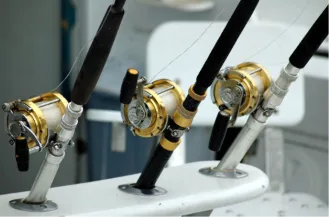
Key West sits at the southern edge of the Florida Keys, where the Gulf of Mexico and the Atlantic create one of the most active sportfishing zones in the country. If you’re thinking about booking a trip, you need more than a basic packing list. You need to know how charters work, what fish you might target, what conditions change your day, and how to avoid paying for the wrong experience.
Key West isn’t a generic fishing destination
You’re not booking a random boat ride with a few rods on deck. Key West has direct access to offshore drop-offs, reefs, wrecks, and the Gulf Stream, which changes what captains can target in a single day.
That matters because trip planning here is more technical than many first-timers expect. A half-day nearshore outing feels very different from running farther offshore for pelagic species. Local seasonality, sea state, and current lines affect everything from bait selection to trolling patterns.
When people talk about deep sea fishing in Key West, they’re usually referring to chartered offshore trips built around experienced captains, specialized tackle, and access to productive water quickly. The location gives you a genuine shot at game fish without an all-day run.
The biggest booking mistake is choosing by price alone
The cheapest charter can end up being the worst value on the dock. You need to look at trip length, passenger count, fuel range, boat size, included gear, fish-cleaning policies, and whether the crew targets the species you actually care about.
A four-hour trip may sound fine until you realize travel time eats into your fishing window. If the bite is offshore that day, short trips can feel rushed. Ask how much time is usually spent with lines in the water, not just how long the charter lasts from departure to return.
You should also check whether the boat is private or shared. A private charter gives you more control over pace and targets. Shared trips cost less, but they can limit flexibility if one group wants trolling while another wants bottom fishing.
Your target species should shape the charter you book
You’ll have a better trip when your expectations match the fishery. Offshore in Key West, charters may target mahi-mahi, sailfish, tuna, wahoo, marlin, amberjack, grouper, or snapper, depending on season and conditions.
That list looks exciting, but no captain can promise a specific fish on a specific day. Fishing pressure, water temperature, bait movement, moon phase, and weed lines all influence what’s realistic. Good captains talk in probabilities, not guarantees.
If you want fast action and a cooler with dinner, bottom fishing or reef-adjacent trips might suit you. If you want a shot at a high-speed pelagic fish, trolling offshore is a different style entirely. Tell the captain whether you care more about trophy potential, table fare, or nonstop activity. That one conversation changes your whole experience.
Weather affects more than comfort
You probably already know rough seas can make you sick. What many people miss is how weather also changes fish behavior, route selection, and the captain’s tactical decisions. Wind direction, swell interval, cloud cover, and current edges all matter.
A breezy day doesn’t automatically cancel a trip, especially with an experienced operator. Still, offshore fishing is never just about whether the boat can leave the dock. It’s also about whether the conditions support productive fishing and safe movement between zones.
Check the forecast, but don’t pretend you can outread a local captain from your phone. Ask what conditions tend to produce a solid trip in Key West. If you’re prone to motion sickness, take medication the night before or early enough on the morning of the charter to let it work properly.
The right gear is often less than you think
Most quality charters supply rods, reels, terminal tackle, bait, ice, and safety equipment. You usually don’t need to show up looking like a tournament angler. What you do need are practical basics that protect you for several hours on open water.
Wear non-marking shoes if requested, lightweight sun-protective clothing, polarized sunglasses, and a hat with a secure fit. Bring reef-safe sunscreen, water, snacks if allowed, and a small dry pouch for your phone and wallet. Skip bulky bags unless the crew says storage is easy.
If you want to bring your own setup, ask first. Offshore boats are rigged around space efficiency, line class, and technique. Your favorite inshore combo may not be useful on a trolling spread or deep-drop drift. Let the crew decide what actually belongs on deck.
Boat etiquette matters more than beginners expect
You don’t need fishing experience to be a good charter guest, but you do need awareness. Listen during the safety talk. Pay attention when the mate explains where to stand, how to clear lines, and what to do when a fish runs across the stern.
Offshore fishing can get chaotic fast. If someone hooks up, random movement creates problems. A missed step can tangle lines, cost a fish, or put somebody near a swinging hook. Good crews are used to beginners, but they still need you to respond quickly and follow directions.
Tipping matters too. In many U.S. charter operations, mates work hard on rigging, baiting, coaching, netting, gaffing, and cleaning fish. If the crew puts in real effort and delivers a strong experience, a tip is part of standard fishing etiquette, not an optional surprise.
Timing can be the difference between a decent trip and a great one
There isn’t one perfect month for every angler. Key West offers year-round fishing, but your ideal window depends on what you want. Mahi often become a major focus in warmer periods, while sailfish and wahoo can become more relevant with seasonal shifts.
Holiday weeks and peak tourism periods can raise prices and reduce flexibility. If you want first choice on captains and departure times, book earlier than you think. Last-minute spots exist, but they rarely line up with the exact boat, trip length, and date you wanted.
Morning departures are common for a reason. Water conditions can be better, heat is lower, and captains get a fuller working day if fish are active offshore. If your schedule allows only one trip, ask the charter when your chosen season tends to produce the most consistent action for your goals.
A smart trip is built on communication, not luck
The best charters usually start with a detailed conversation before you ever step on the boat. Tell the operator how many people are coming, your fishing experience, your age mix, whether anyone gets seasick, and whether you want action, food fish, or a serious sportfishing day.
That helps the captain plan technique, route, and pace. It also keeps you from booking the wrong product. A family with two kids and one nervous first-timer may need a very different trip from a pair of anglers hoping to chase pelagics all day.
If you approach Key West offshore fishing with realistic expectations and clear communication, you’ll get far more than a sightseeing cruise with bait. You’ll step onto the dock understanding the fishery, the logistics, and the decisions that turn an expensive outing into a memorable one.