Before You Install Video Surveillance in Edmonton: What to Know
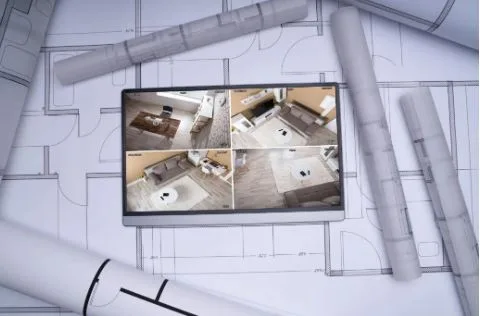
Before upgrading your business security, planning should always come first. The installation of video surveillance can be highly effective, but without a clear understanding of your needs, even advanced systems can underperform. Businesses across Edmonton, Alberta—from busy downtown offices to industrial warehouses in the north end—face different risks, and those differences should shape how surveillance systems are designed.
Security is not simply about installing cameras; it’s about building a system that aligns with how your business actually operates on a daily basis.
Understanding Your Business Environment
Every business environment in Edmonton presents its own challenges, and recognizing these differences is essential before making any decisions. A retail store inside West Edmonton Mall, for example, deals with constant customer movement and requires visibility at entrances and checkout areas. In contrast, a warehouse in an industrial district must focus on large open spaces, inventory zones, and delivery points.
Understanding how people move through your space, where blind spots exist, and which areas are most vulnerable allows you to design a system that works in practice rather than just on paper. Security cameras and surveillance systems should reflect real operational needs rather than relying on generic setups.
Types of Surveillance Systems Available
Understanding the types of systems available helps businesses make decisions based on functionality rather than assumptions. Wired systems are often preferred for their stability and are commonly used in permanent commercial installations where reliability is critical. Wireless systems offer greater flexibility and are easier to install, making them suitable for smaller businesses or locations where wiring is impractical.
Cloud-based systems have become increasingly popular in Edmonton because they allow business owners to access footage remotely while offering scalable storage solutions. This is especially useful for companies managing multiple sites or those that require constant access for monitoring.
Choosing the Right Cameras for Your Space
Not all cameras perform the same way in real-world conditions, and selecting the right type depends on how your space is used. Dome cameras are commonly installed indoors because they are discreet and blend well into environments such as offices and retail stores. Bullet cameras are more visible and are often used outdoors, where their presence can act as a deterrent. In larger environments such as warehouses or parking areas, PTZ cameras offer flexibility by allowing operators to adjust viewing angles and zoom in on specific activity.
The effectiveness of a system depends on how well these camera types are integrated to match the business’s layout and needs.
Importance of Professional Planning and Installation
A successful surveillance system is built on proper planning rather than quick installation. A properly executed video surveillance installation involves a careful assessment of the site, strategic placement of cameras, and integration with other systems, such as alarms or access controls.
Professional installers understand how Edmonton’s building structures and environmental conditions affect system performance, ensuring that cameras are positioned correctly and operate reliably throughout the year. Without this level of planning, businesses risk investing in systems that fail to deliver meaningful results.
Common Mistakes Businesses Make
Many businesses in Edmonton encounter similar issues when they rush into installation without sufficient preparation. One of the most common problems is inadequate coverage, where cameras are installed but fail to capture critical areas such as entrances or transaction points. Another frequent mistake is ignoring lighting conditions, particularly during Edmonton’s long winter months when daylight is limited, and visibility becomes more challenging.
Businesses also often opt for lower-cost equipment to save money, only to experience poor image quality and frequent maintenance issues. Systems that are not integrated with other security measures can also limit overall effectiveness and reduce long-term value.
Budgeting for Long-Term Value
While budget is always a factor, focusing only on upfront costs can lead to poor decisions. A well-designed surveillance system provides long-term value by reducing theft, improving operational efficiency, and minimizing risks. Businesses that invest in reliable security cameras and surveillance solutions often experience fewer disruptions and better control over their operations. Viewing surveillance as an investment rather than an expense helps ensure that decisions are made with long-term benefits in mind.
Compliance and Privacy Considerations in Edmonton
Businesses in Edmonton must follow Alberta’s privacy regulations when implementing surveillance systems. This includes informing employees and customers that monitoring is taking place, avoiding surveillance in private areas, and ensuring that recorded footage is stored securely. Access to footage should be limited to authorized personnel to prevent misuse. Compliance is not only about meeting legal requirements but also about maintaining trust and professionalism within your business environment.
Future-Proofing Your Surveillance System
As businesses grow, their securit needs evolve. A system that works today may not be sufficient in the future, so scalability should be considered during the planning stage. Systems that support additional cameras, software updates, and expanded storage offer flexibility as operations grow. Many Edmonton businesses now prioritize solutions that can adapt over time rather than requiring a complete replacement when their needs change.
Real-World Use Cases in Edmonton
In practical settings, surveillance systems serve different purposes depending on the type of business. Retail stores often rely on cameras to monitor customer activity, reduce shoplifting incidents, and gain insights into customer behavior. Warehouses use surveillance to protect inventory and oversee logistics, ensuring that goods are handled and stored properly.
Office environments focus on monitoring entry points and shared spaces to maintain safety without compromising employee privacy. Restaurants use surveillance systems to maintain operational flow and address customer concerns, ensuring that both service quality and safety standards are upheld.
Conclusion
Carefully planning the installation of video surveillance ensures your system delivers meaningful, reliable results. By understanding your business environment, selecting appropriate equipment, and considering long-term needs, businesses in Edmonton can build systems that support both security and efficiency. A well-executed installation of video surveillance is not just about installing cameras—it’s about creating a solution that integrates seamlessly into your operations and provides lasting value.